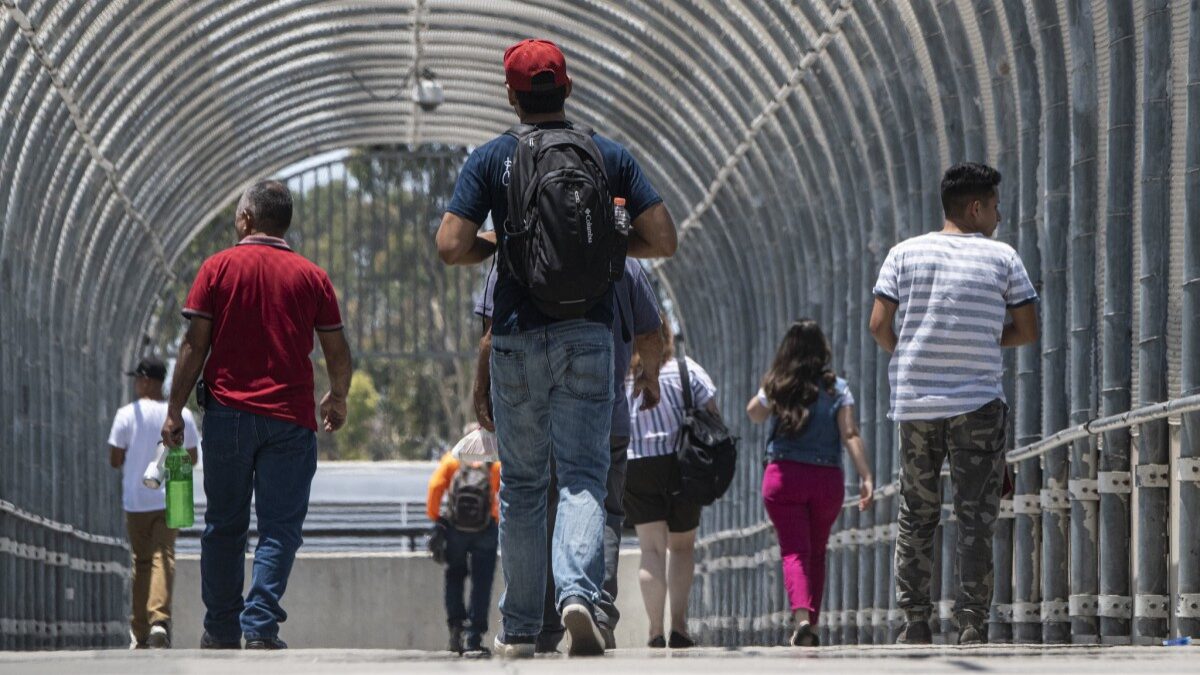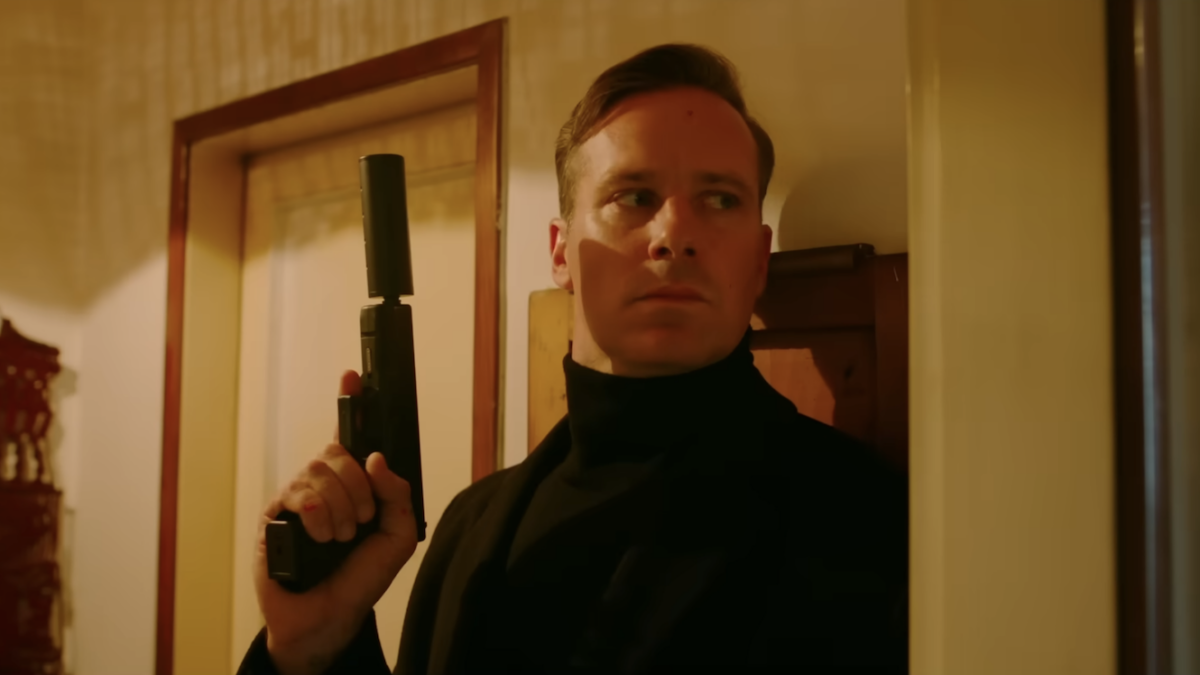

For all its B-movie trappings, Citizen Vigilante is the first of its kind: a film that sees the migrant crisis in Europe as a crisis for Europeans.
It is politically incorrect in the most provocative sense and, as such, was probably destined to be made by two people (director Uwe Boll and actor Armie Hammer) who have been routinely dragged through the mud and probably feel like they have nothing left to lose.
If the oft-ridiculed Boll and the scandal-plagued Hammer are both at a point where they have stopped caring what people think of them, then the strident tone of Citizen Vigilante reflects a growing outrage many people are feeling with regard to the migrant situation in Europe. The film is unambiguous in the way it opens with the superimposed location title “EUROPE” and closes with the stark dedication: “To the thousands of rape and murder victims in Europe who were betrayed by our legal system.”
This is an exploitation film with its blood boiling. Europe is presented as being in a state of anarcho-tyranny, with Hammer’s stock vigilante the embodiment of the right-wing id, cleaning things up from the street to the institutional level. Eye for an eye and tooth for a tooth, it is a civilizational wake-up call that is neither subtle nor especially well made, but this is beside the point. The question that needs to be asked is whether or not the film is dishonest or irresponsible.
Unfortunately for its detractors, of which there will be many, the various crimes and indignities in the film have plenty of real-world parallels. From the shocking public attack that begins the story, to the culturally rationalized sexual violence, to the judge showing leniency in the name of racial inclusivity — these are no mere inventions. Viewers who are scandalized by such depictions might find themselves in the unenviable position of having to deny or explain away some rather unpleasant demographic realities.
These things are either happening or they are not, and an appraisal from the likes of In Review Online that describes the film as “racist, xenophobic, ethnocentrist” is simply not good enough in an era where those terms have been weaponized. But a film can highlight things that are actually happening in the world and still be irresponsible. There is a case to be made that Citizen Vigilante is so maximalist in its presentation, so damning of the security state’s failure in defending its native citizens, that it might be perceived as a clarion call.
Even if this particular point were conceded, we would still be left to contend with the uneasy territory of vigilante cinema in general. Might the issue simply be that the targets of the vigilantism in Citizen Vigilante are considered an ideologically protected class? This hardly seems fair when we look at the blood-soaked genre’s astronomical body count. And is it really possible to expect the migrant phenomenon in Europe to be treated in cinema as a de facto moral good forever, as it is in Ken Loach’s desperately compassionate The Old Oak or Jacques Audiard’s France-blind Dheepan?
Similarly skewed is Remi Weekes’ His House, the pro-migration film about a Sudanese couple trying to settle in England. In one scene, a young English doctor is politely trying to help the Sudanese woman but becomes increasingly uncomfortable with her problems and foreign customs, symbolized by the tribal scarring on the woman’s body. The scene is meant to say something profound about the incommunicability of the trauma of “the other,” but there is empathetic potential for another film hiding within the film: that of the fatigued English public-sector worker expected to deal with all of this.
If we are used to movies showing us multiculturalism™ as a moral good, Citizen Vigilante dares to say it can also be viewed as a moral failing. Perhaps the solution is to reach a stalemate and for all political sides to agree to stop making films about the migrant issue. We can have a cinematic world populated exclusively by the inoffensive dance routines of Fred Astaire and Ginger Rogers or the physical comedy of Buster Keaton. This would not be a bad world to live in. But if we cannot do this, then some people might have to get used to a film like Citizen Vigilante and the shoe occasionally being on the other foot.