It’s not hard to see that as America’s culture has become coarser, so too has its music.
Scroll through some of the top songs in the country and you’re bound to find many accompanied by a red-coated “explicit” symbol warning listeners that it’s probably not suited to be played around Nana or children. Even for songs remastered to be “clean,” little is left to listeners’ imagination as to what explicit word or phrase was dinged from the original to garner radio playtime.
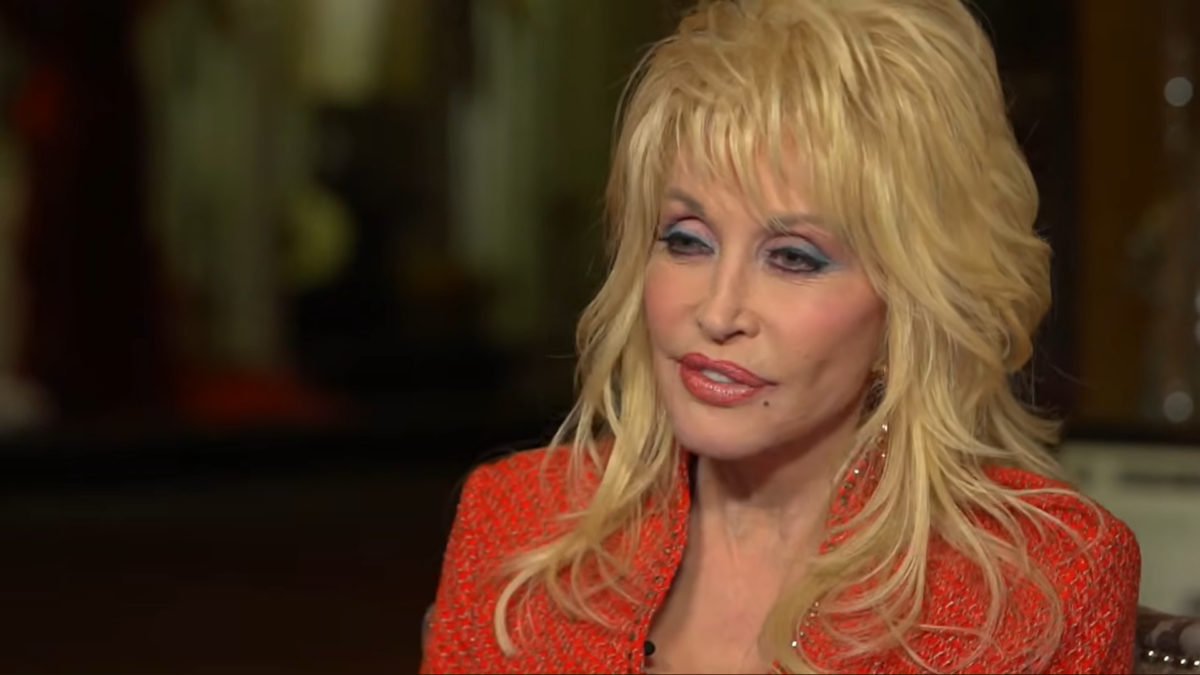
But for music lovers who found themselves listening to the recently deceased Dolly Parton, that was never a problem.
Throughout her decades-long career, the much-beloved Queen of Country graced the airwaves with tunes that the littlest cowgirl could enjoy. Aside from a cheeky “Dollyism” here or there during interviews, the bubbly singer instead imbued her music with themes of love, family, and her Christian faith.
Even while working in a culture that increasingly came to favor the opposite, Parton stood firm in refraining from using vulgar language in public. When risqué pop singer Sabrina Carpenter asked Parton to feature on a re-released version of her song, “Please, Please, Please” — which uses the phrase “motherf-cker” in its original chorus — the country legend said she’d join if the profane lyric was changed (which it ultimately was).
“I told her, I said, ‘Now, I don’t cuss,’” Parton said in a 2025 interview. “’I don’t make fun of Jesus. I don’t talk bad about God, and I don’t say dirty words on camera, but known to if I get mad enough.’”
Parton’s emphasis on the family-friendly — whether it be through her music or charitable work — was reflective of the culture and time she grew up in. It’s a deeply held value that’s intrinsic to her Eastern Tennessee roots, in which basic manners and public decency are the expected norm.
While Parton may be gone, there’s still reason to be hopeful that the modest qualities she embodied will live on. Up-and-coming country stars like Ella Langley are finding great success with catchy, clean tunes like “Choosin’ Texas,” a song that’s continuing to break records left and right across all genres. And similar to Parton, Langley has used her platform to glorify Jesus Christ at her concerts and award shows.
Parton’s life and career is proof that artists don’t need to engage in the vulgar and explicit to build successful music careers. If the storytelling is real and honest, the fans will follow.