
CHARLOTTESVILLE, Va. — Justice Amy Coney Barrett gave her first public interview on Thursday since signing onto the Supreme Court’s Trump v. Barbara decision. That “mistake[n]” ruling, as Justice Samuel Alito called it, codified so-called “birthplace citizenship” into the U.S. Constitution.
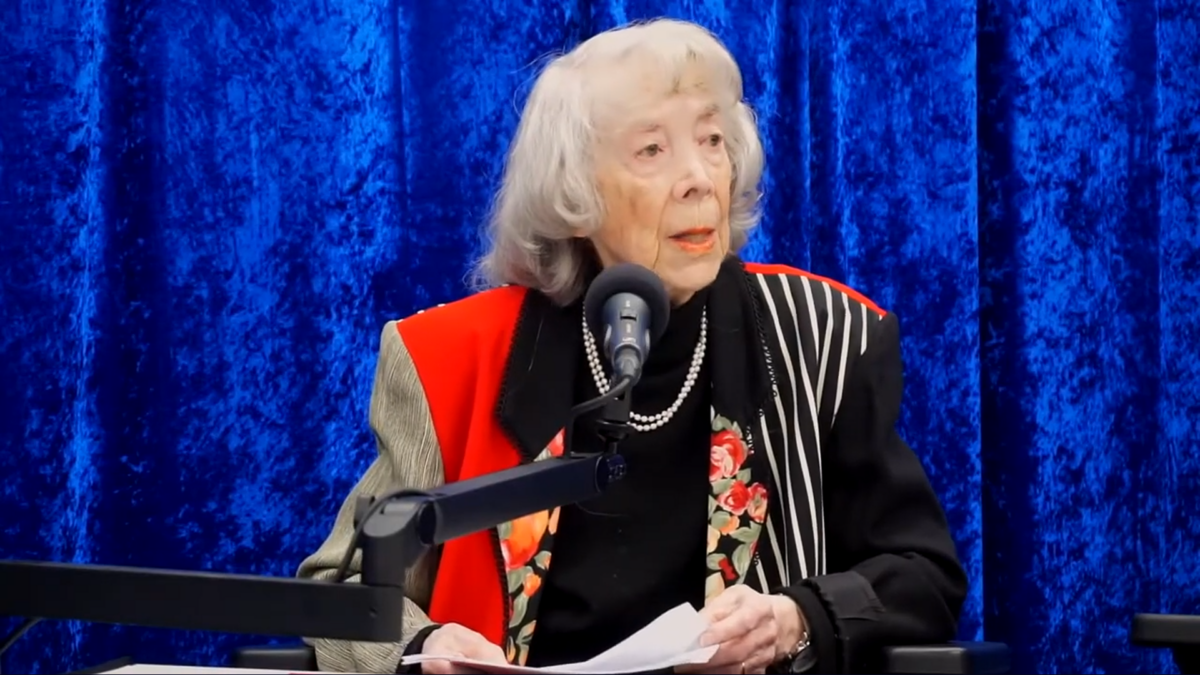
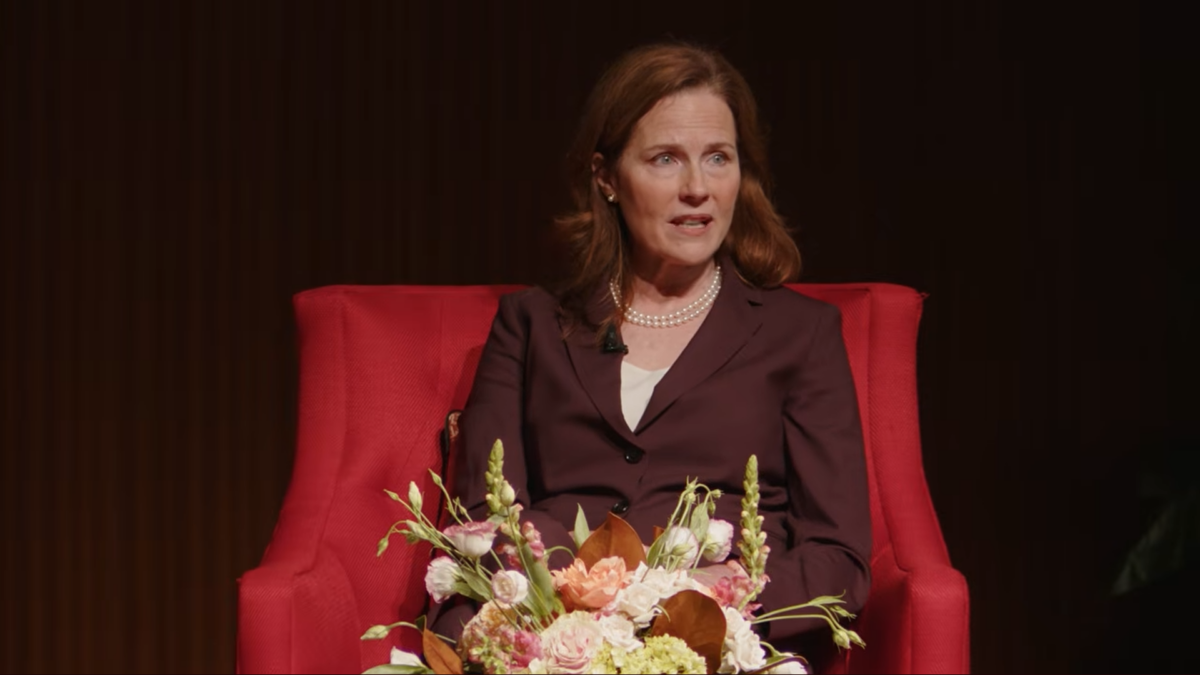
The junior justice appeared for a sit-down discussion with University of Virginia Law School Professor John Jeffries Jr. to talk about her recently released book Listening to the Law. The literary work provides insight into the inner workings of the Supreme Court, such as the opinion-writing process and how justices go about interpreting the law.
“I wanted to teach both lawyers and law students and non-lawyers about the court,” Barrett said. “Many friends, including professors in other departments at Notre Dame when I was teaching, asked me questions about the court. Everybody was very curious, and it was the same kinds of questions that you [Jeffires] and I would take for granted — just because of our long experience in the law — that people just didn’t understand how the court functioned.”
One of these core functions raised by Jeffries is the Supreme Court’s emergency or interim docket, which deals with cases still undergoing litigation in the lower courts. The Trump administration has been forced to seek relief at the docket due to the overreaching antics of rogue judges and their willingness to greenlight leftists’ lawfare against the government.
Acknowledging the change in the docket’s activity, Barrett noted how “people have different theories for why it’s becoming more active.” She later added that she thinks one possibility could be that “we have a lot more executive orders than we used to 20 years ago.”
Jeffries also pressed Barrett on whether she has “any ideas about the source of the anxiety that pervades the judiciary.” The law professor more specifically highlighted Trump and his administration’s criticisms of rogue judges, as well as the president’s pointed jabs at Barrett (and her fellow Trump appointees) for siding against his policy agenda in some cases.
“Do you think that contributes to the security problem?” Jeffries asked, seemingly ignoring that the real wave of threats against SCOTUS is coming from the left.
While declining to address Trump’s attacks against her, Barrett pointed to the existence of social media, and how it “allows to reverberate whatever thought someone is thinking that would never have been publicly said or circulated to a wide audience before.” She further observed that threats to personal safety are not exclusive to the judges, but impact other public officials as well.
“We certainly live in a time and in a climate where people are equipped to say things that I certainly wish, you know, that they wouldn’t,” Barrett said. With the rise of social media, “I think public officials, including judges and justices, are more easily recognizable, which also heightens the security risk.”
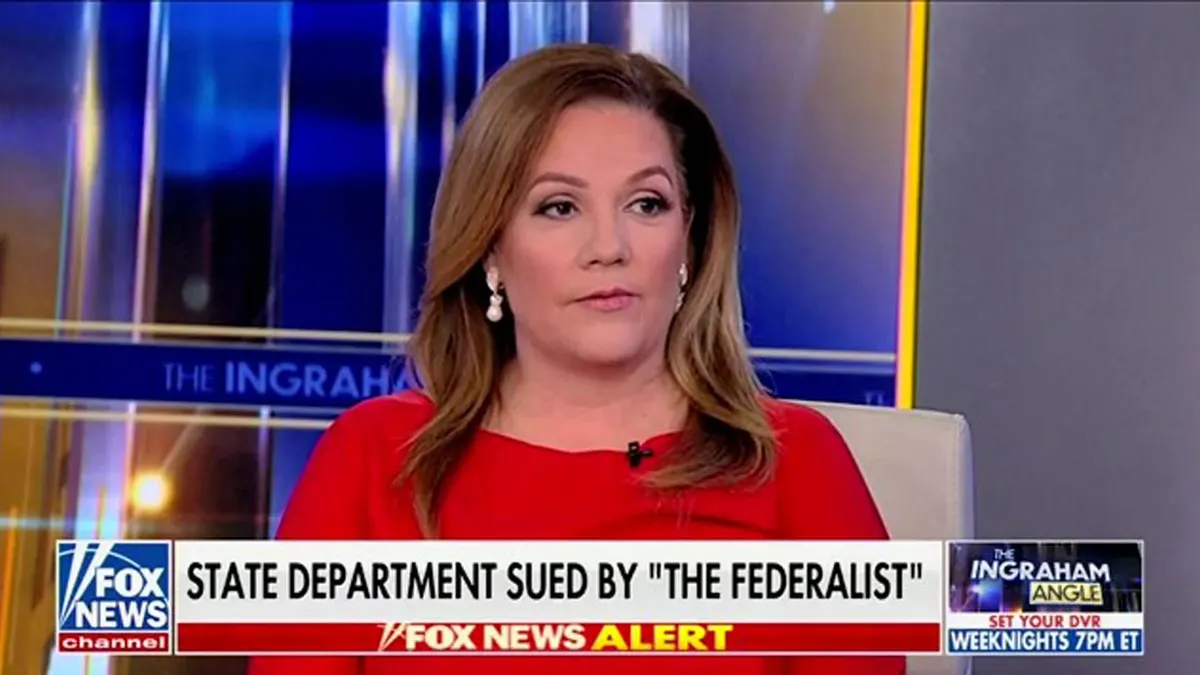
Barrett and her conservative colleagues were forced to endure vile death threats from unhinged leftists following the 2022 leak of the court’s Dobbs draft decision overturning Roe v. Wade. As a result, Barrett had to a wear a bulletproof vest around her children, as The Federalist’s Mollie Hemingway documented in her bestselling book Alito.
The junior justice recently testified about such security issues and Supreme Court Police funding before Congress alongside Justice Elena Kagan. The hearings came shortly after an attempted swatting incident at Barrett’s residence.
Following a conversation about different methodologies and judicial interpretation, Jeffries pivoted to an ongoing issue threatening the Supreme Court’s independence: court-packing.
Since releasing its decision nuking race-based redistricting earlier this year, Democrats have revived their calls to pack the Supreme Court with more justices to shift the court’s ideological makeup in their favor and achieve partisan outcomes in cases. Some leading Democrats have also called for 18-year term limits that would apply retroactively.
When pressed by Jeffries on the calls for term limits, Barrett said that she has “thoughts” on the subject but declined to publicly profess them. She reasoned, in part, that it could ultimately come before SCOTUS at some point in the future, and that to opine on it now would be imprudent.
“It might come before me,” Barrett said with a laugh. “When it’s a matter of active public debate [in Congress], then … I can’t weigh in on that.”
One topic not raised during Thursday’s discussion, however, was the Supreme Court’s Barbara decision.
Barrett was one of six justices to rule that Trump’s executive order cracking down on the practice of giving U.S. citizenship to children of illegal aliens and foreign “birth tourists” was unlawful. The Trump appointee went a step further by joining Chief Justice John Roberts and the liberal justices in declaring that such “birthplace citizenship” is guaranteed by the 14th Amendment.
The court’s decision prompted stinging dissents from Justices Clarence Thomas (joined by Justice Neil Gorsuch) and Alito. While the former wrote that the majority opinion “devalues [American] citizenship,” the latter characterized it as a “serious mistake.”
Barrett and her colleagues are expected to return for the Supreme Court’s upcoming 2026 term in the coming weeks. The court’s first cases will be heard on Oct. 5.