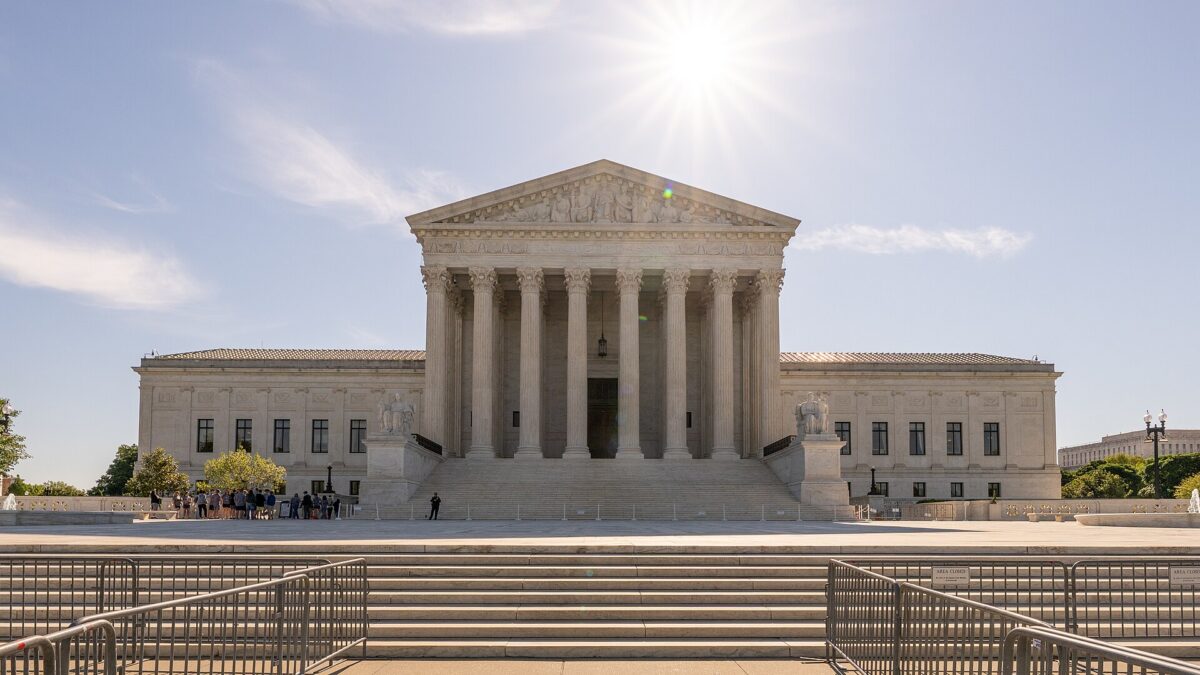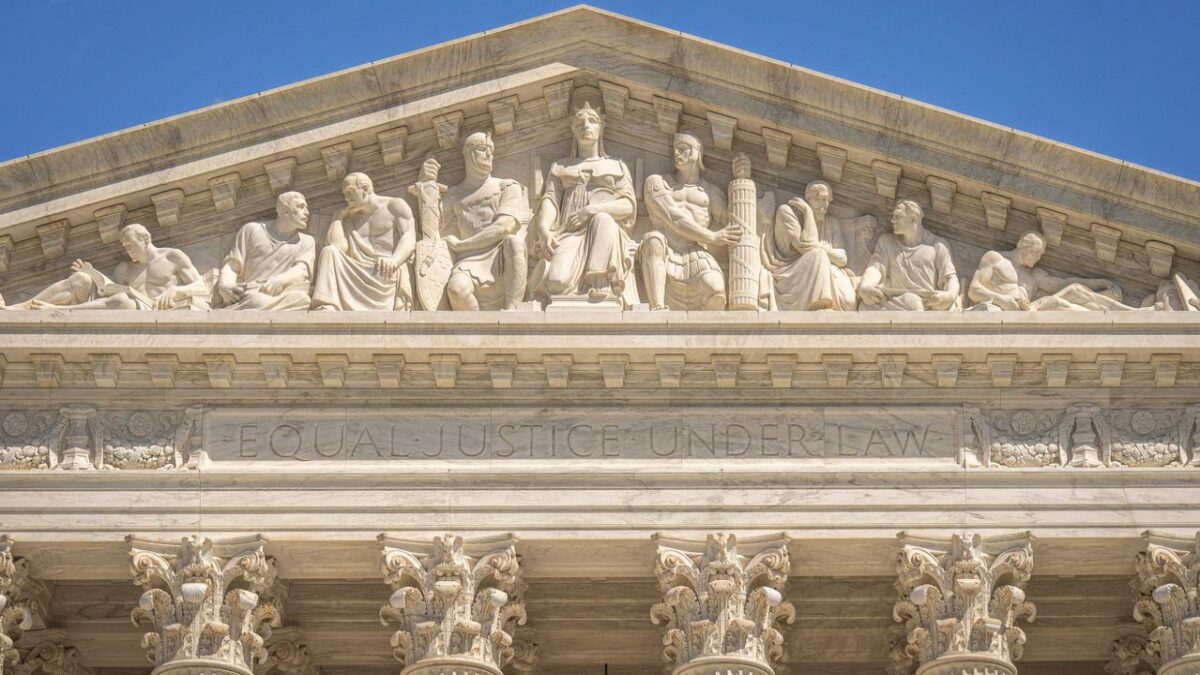
In a major blow to American sovereignty, the U.S. Supreme Court ruled on Tuesday that children born to illegal aliens and foreign “birth tourists” on U.S. soil are citizens under the 14th Amendment. Justices Clarence Thomas, Samuel Alito, and Neil Gorsuch dissented, while Justice Brett Kavanaugh concurred in the court’s judgement and dissented in part.
The case known as Trump v. Barbara came to fruition last year, when Trump signed an executive order barring the federal government from producing or accepting certain documents purporting to recognize these birthplace citizens. The directive was immediately challenged in court by proponents of granting citizenship to the children of illegal aliens born on U.S. soil.
Writing for the majority, Chief Justice John Roberts ruled that the children born to parents “unlawfully or temporarily present in the United States” “satisfy both elements” of the 14th Amendment’s citizenship clause: “they are ‘born . . . in the United States’ and ‘subject to the jurisdiction thereof.'” Therefore, he reasoned, “they are citizens at birth” under the Constitution.
“Citizenship, then and now, was the right to have rights — to freely participate in our political community. The Framers of the Fourteenth Amendment extended that promise to ‘every free-born person in this land.’ … We keep that promise today,” Roberts wrote.
Justice Ketanji Brown Jackson authored a concurring opinion, which Justice Sonia Sotomayor joined in part. The Biden appointee specifically criticized Thomas’ dissenting opinion and the government’s position as one that “propose[s] a return” to the “core tenet” of the Supreme Court’s 1857 Dred Scott v. Sanford decision, which held that black Americans — whether freed or enslaved — were not U.S. citizens.
In his concurrence, Kavanaugh said that Trump’s executive order violated federal law, but not the 14th Amendment. In agreeing with the dissent that there is no constitutional “birthplace citizenship” right, he argued that “Congress could — consistent with the Fourteenth Amendment — amend [the law] or otherwise enact new legislation establishing exceptions to birthright citizenship for children born to foreign citizens unlawfully or temporarily in the country.”
In his blistering dissent, Thomas (while joined by Gorsuch) blasted the majority’s account for not being “historically accurate.” He emphasized that the court’s Barbara decision “adds to the sad history of the Fourteenth Amendment, which was designed and understood to secure equal rights for the freed blacks but has instead been repurposed for political projects that the Reconstruction Congress did not support.”
“I am not sure that today’s opinion will stand the test of time. The Citizenship Clause ‘added greatly to the dignity and glory of American citizenship.’ … Today’s opinion devalues that citizenship. I respectfully dissent,” Thomas wrote.
In describing the Barbara case as “one of the most important decisions in the history of the Court,” Alito noted in his dissent that the majority’s ruling is a “serious mistake.” He underscored how the holding that “virtually everyone who happens to be born in this country” grants citizenship to the children of “birth tourists” — “women who come here solely for the purpose of giving birth to a child and then promptly return home.” Contrary to the court’s ruling, he said, “the Fourteenth Amendment confers citizenship on only those children who, at birth, owe allegiance solely to this country.”
“The Court’s interpretation preserves a powerful incentive to enter or remain in this country illegally. Immigrants naturally prefer affluent countries where economic opportunities are available. Other than Canada, the United States will be the only affluent nation where birth alone is enough to establish citizenship,” Alito wrote. “If the Fourteenth Amendment required these results, the country would have to live with them or amend the Constitution. But the Fourteenth Amendment does not include the rule the Court now imposes on the country. In my judgment, the Court has made a mistake that will seriously affect the country’s future.”
Gorsuch also authored a short dissent explaining why he and Thomas’ views of the citizenship clause are consistent with the Supreme Court’s 1898 U.S. v. Wong Kim Ark decision, which held that the children of lawful permanent residents of America are citizens. He also outlined why respondents’ facial challenge to Trump’s executive order “must fail.”