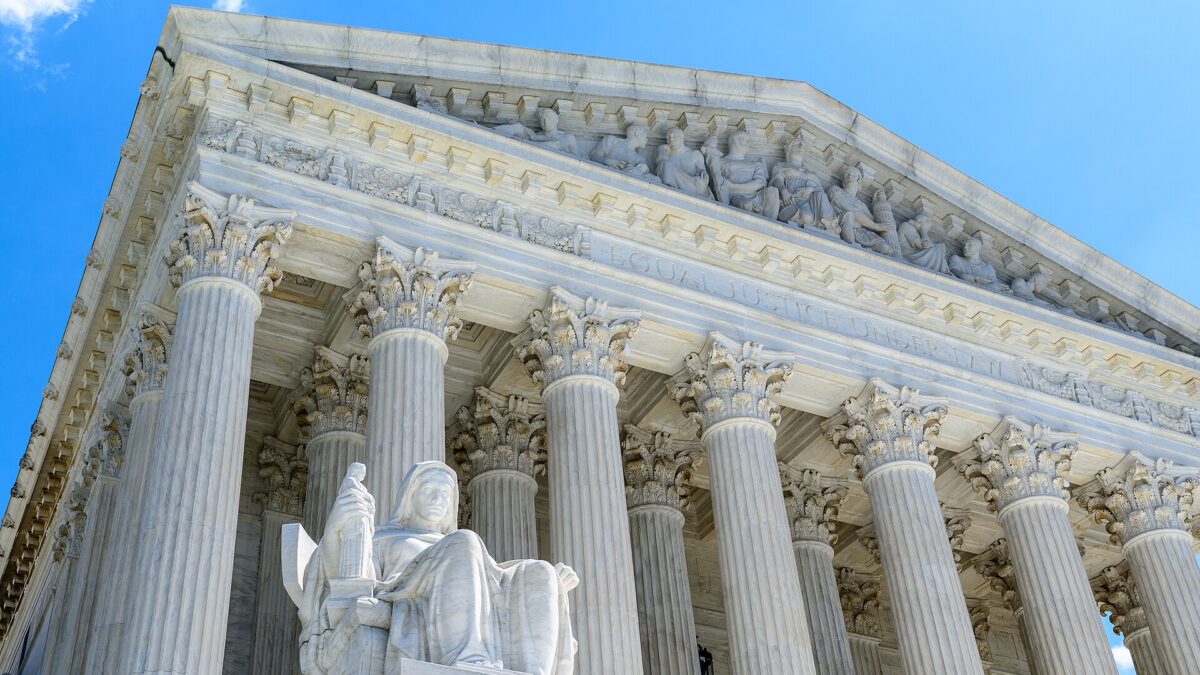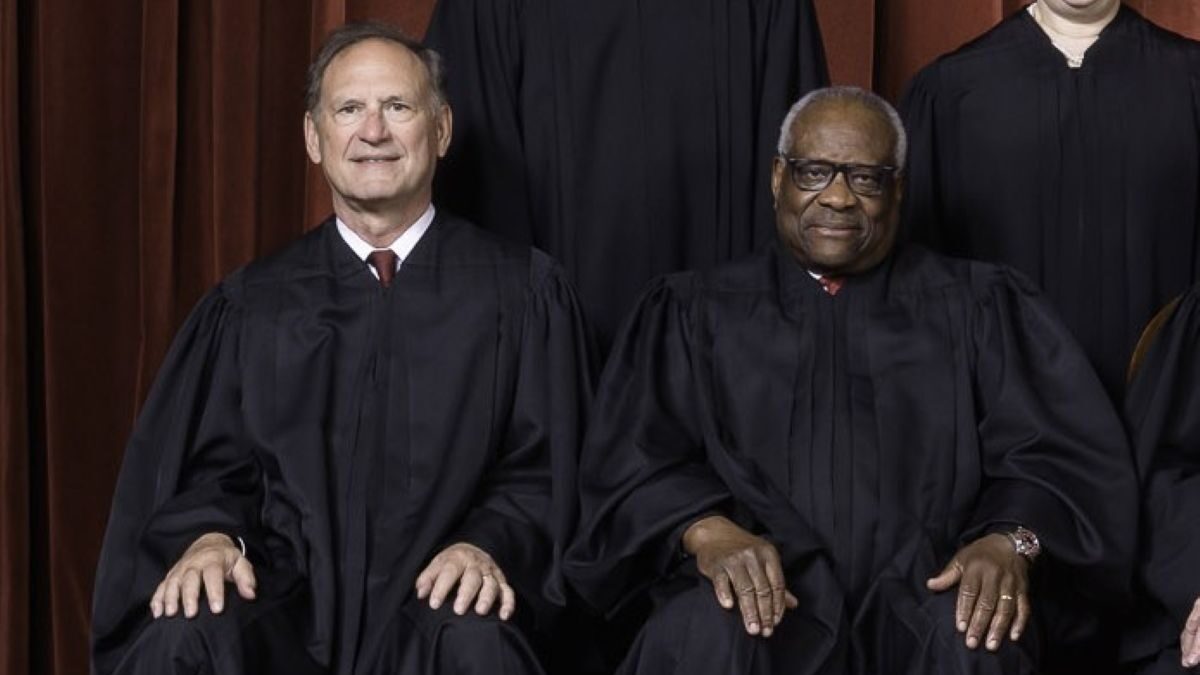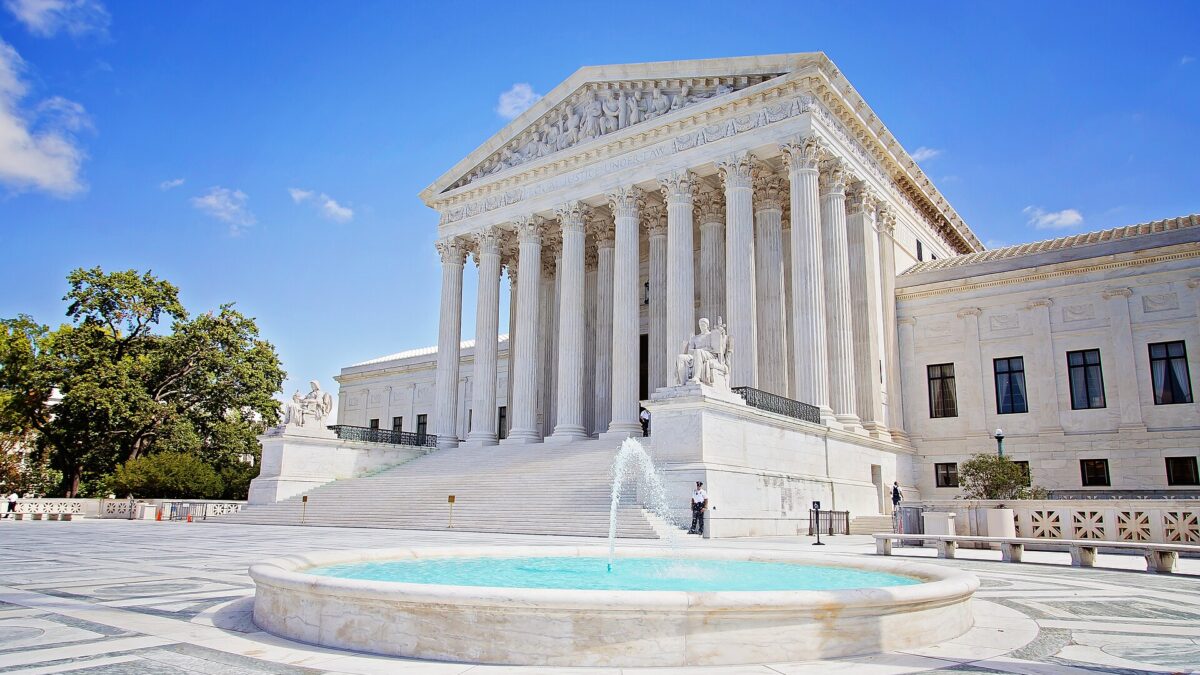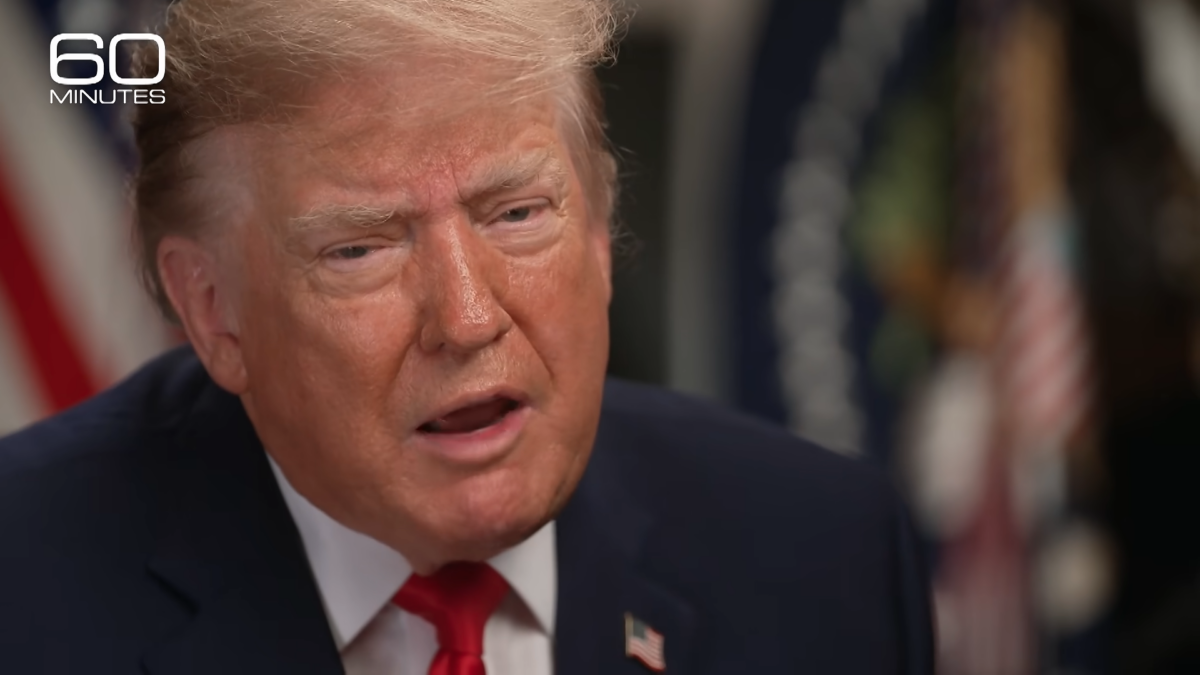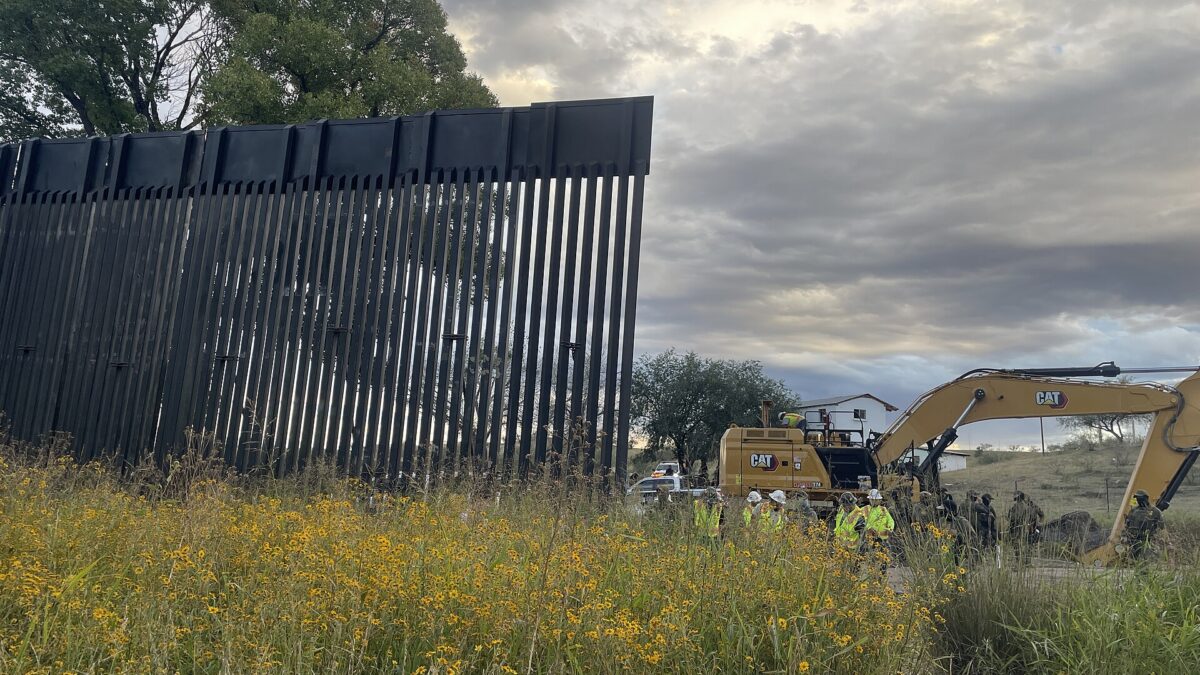

The U.S. Supreme Court agreed on Monday to end a lower court blockade that sought to stop President Trump’s border wall construction along the U.S.-Mexico border. Justice Ketanji Brown Jackson would have allowed the blockade to remain in place.
In its per curiam ruling, the high court granted an emergency application by the Trump administration to temporarily pause an Oct. 2 ruling by District Judge Kathleen Cardone. The Bush 43 appointee issued a preliminary injunction preventing the government from constructing border wall in the Big Bend region of Southwest Texas.
The case deals with a series of waivers that former and current Department of Homeland Security Secretaries Kristi Noem and Markwayne Mullin signed to set aside various conservation and environmental laws that blocked the wall in the Big Bend area, which includes the region’s national park. According to U.S. Solicitor General John Sauer, the secretaries made the decision in accordance with federal immigration law after determining that the Big Bend region “is an area of high illegal entry” that required construction.
Cardone argued in an Oct. 14 opinion explaining her injunction that the challengers are likely to prevail on their claims that the DHS secretaries lacked the legal authority to waive the contested laws under the major questions doctrine. That doctrine states that executive agencies cannot make regulatory decisions on issues of “vast ‘economic and political significance’” unless Congress specifically says so.
Sauer argued in the administration’s SCOTUS application that Congress “denied district courts jurisdiction to entertain” claims like those made in the case. The solicitor general further contended that challengers’ “major-questions claim borders on frivolous” and that Cardone “effectively rewrote [the law in question] to atextually limit the Secretary’s waiver authority to only areas of ‘comparative[ly]’ high illegal entry.”
In its Monday ruling, the Supreme Court found that the administration is “exceedingly likely to prevail on its argument” that Cardone did not have jurisdiction to adjudicate the challengers’ “so-called major-questions-doctrine claim.” The majority held that, regardless of how “it is labeled, respondents’ claim does not ‘“alleg[e] a violation of the Constitution of the United States,”’ the only type of claim the statute permits district courts to adjudicate.”
“It alleges instead that the Secretary exceeded his statutory authority. And we have long recognized that ‘claims simply alleging’ that the Executive Branch has exceeded its ‘statutory authority are not “constitutional” claims,’” the decision reads. “That conclusion does not change where, as here, a plaintiff invokes the major-questions doctrine.”
The high court went on to note that the other factors used to determine whether a stay is warranted also favor the government. This includes the administration’s demonstration that it will suffer irreparable harm if Cardone’s injunction is permitted to remain in place, as well as a showing that the “balance of the equities” tilts in its favor.
“Respondents claim that construction in the Big Bend Sector will diminish their ability to use and enjoy the area. But Congress’s enactment of [the Illegal Immigration Reform and Immigrant Responsibility Act] — which permits the Secretary to waive the requirements of environmental-protection and other conservation laws — reflects a clear preference for expeditious border construction over the very harms respondents assert,” the court ruled. “And courts ‘of equity cannot, in their discretion, reject the balance that Congress has struck in a statute.’ … The Government’s interest therefore outweighs any aesthetic, recreational, and environmental harm alleged by respondents.”
Justice Jackson did not provide a reason for her dissent.
According to Monday’s ruling, Cardone’s injunction “is stayed pending the filing and disposition of the Government’s petition for a writ of certiorari, if such writ is timely sought.” The Supreme Court’s pause will terminate if a petition to SCOTUS is denied by the high court or if SCOTUS agrees to consider the matter and issue a judgment on the merits of the case.