
California Attorney General Rob Bonta wants a court to punish pro-life organizations for telling women they may have another choice after starting a chemical abortion.
His case against Heartbeat International and RealOptions targets their communications about abortion pill reversal and seeks millions in penalties along with restrictions on what they can say. But to understand what California is asking the court to suppress, look beyond the legal briefs and listen to the women who actually sought that help.
Three of them took the witness stand. They told the court what happened when they took mifepristone, regretted their decisions, and desperately searched for a way to keep their babies and continue their pregnancies. Today, each is raising the child she feared she had lost.
And in California’s own closing brief, the state described what these women received from Heartbeat and RealOptions with a remarkable word: “hope.”
“That Defendants offered hope to these individuals underscores the seriousness of their misconduct.” Those words appear on page 45 of the California attorney general’s post-trial brief in The People of the State of California v. Heartbeat International and RealOptions.
The “individuals” are women who took the first drug in a chemical abortion, regretted that decision, and urgently searched for another option. The “hope” was that they might still be able to sustain their babies and continue their pregnancies. The “misconduct” was telling them about abortion pill reversal.
California wants a court to punish two nonprofit organizations for answering women who wanted help after changing their minds. The attorney general seeks maximum penalties and an injunction that could silence the information those women sought.
During the trial, three mothers gave the court something no government brief can reduce to an abstraction: the human consequences of that potential silence.
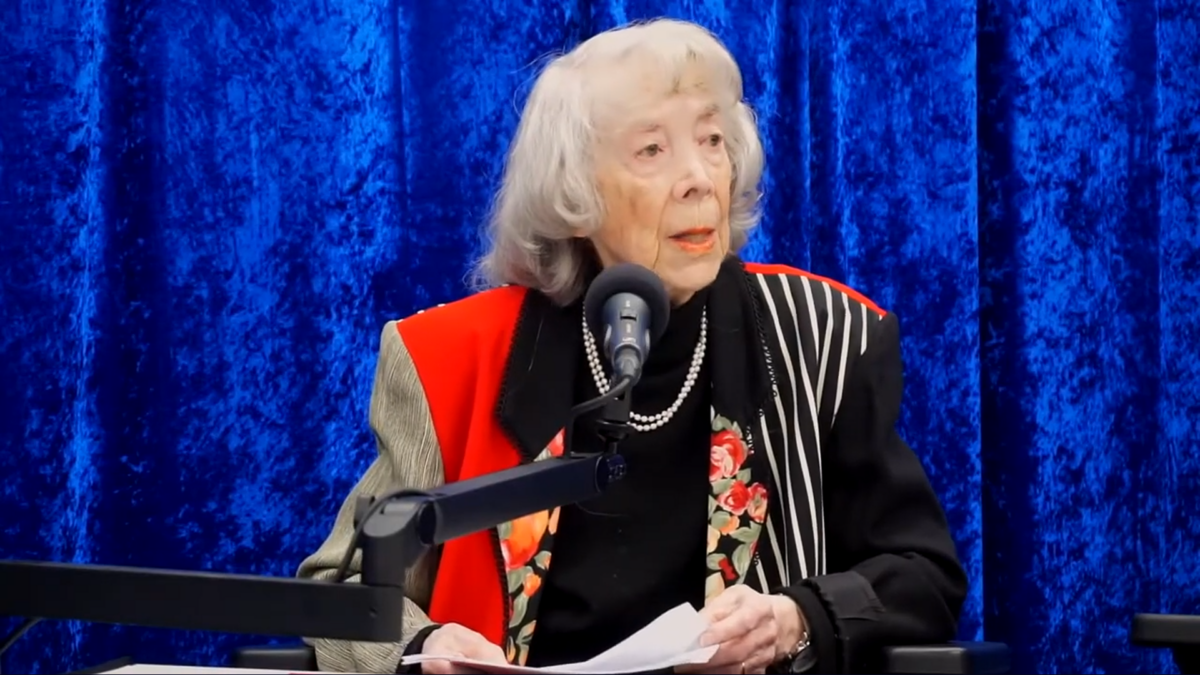
Erika Carrillo took mifepristone after facing intense pressure to abort and regretted it almost immediately. She searched online for a way to reverse what she had started and was connected with RealOptions pregnancy center for care that same day. Her son is now nearly 10 years old.
Carrillo has said she is “eternally grateful” for her son’s life and for those who helped when she believed all was lost. Yet California’s brief cites her hope as evidence supporting a punishment that demands more than $20 million in fines.
Uyen Pham also took mifepristone under pressure and quickly regretted it. Although she had been told the chemical abortion could not be stopped once it began, Pham wanted to try to save her child. A friend searched through the night and found Heartbeat International’s Abortion Pill Rescue Network, which connected Pham with RealOptions. She received care less than 24 hours after taking mifepristone.
Her son was born healthy and without complications.
Elizabeth Barrett took the first abortion drug under pressure from her life’s circumstances. Soon afterward, her boyfriend told her he wanted to keep their baby. They found information about abortion pill reversal, and a nearby doctor returned her call within minutes.
Barrett delivered a healthy baby girl in January 2024. She and her daughter’s father are now married. She volunteered to testify because she wanted the court to know what she had lived through.
Carrillo, Pham, and Barrett were never promised a guaranteed outcome. Heartbeat and Real Options never present abortion pill reversal as a guarantee. But these courageous women testified because when they decided they no longer wanted to complete their abortions, someone took their change of heart seriously.
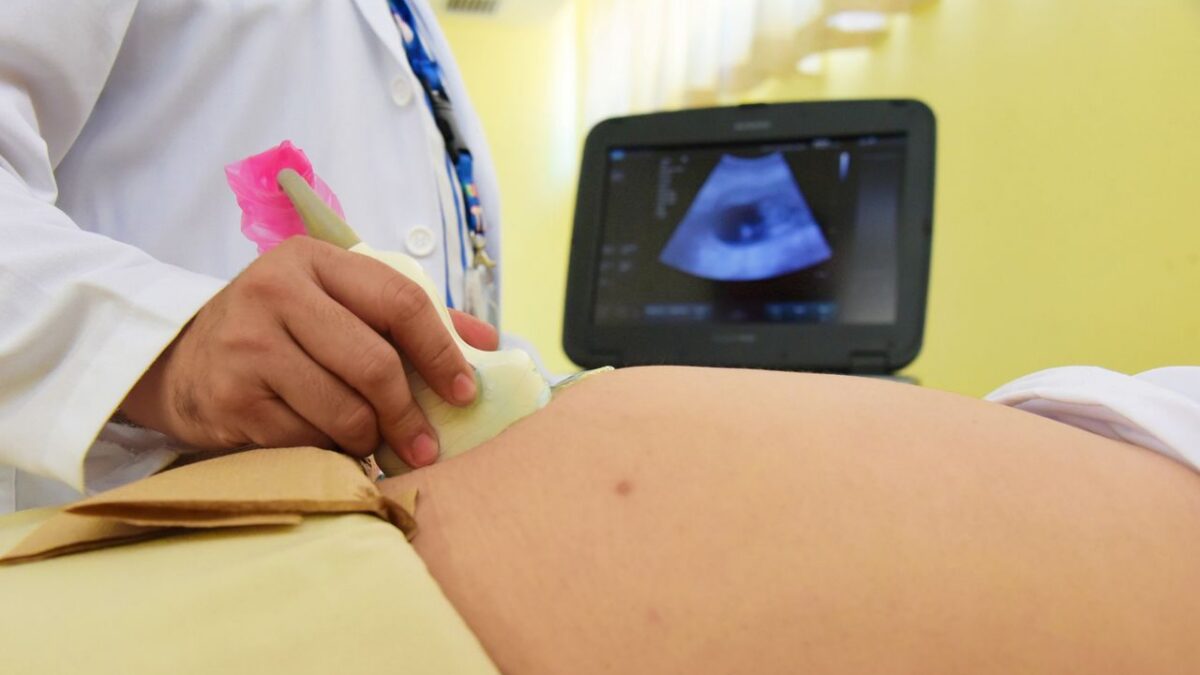
A chemical abortion typically involves two drugs. Mifepristone blocks progesterone, a hormone needed to sustain life in the womb. Misoprostol is taken later to induce contractions and expel the preborn baby. Abortion pill reversal involves a licensed medical professional prescribing progesterone after mifepristone but before misoprostol to try to counteract mifepristone’s effects and allow the pregnancy to continue. Progesterone has been used often in obstetric care since the 1950s.
California calls these women vulnerable consumers. But we offer free help to women exercising agency under extraordinarily difficult circumstances. They made one choice, experienced immediate regret, and made another. They sought medical care, received a free connection to a licensed health care professional, gave informed consent to take progesterone, and later volunteered to defend the option they were grateful to receive.
If “choice” means anything, it must include the choice to keep a baby and continue a pregnancy.
Heartbeat International’s Abortion Pill Rescue Network exists for the urgent moment when a woman says, “I changed my mind.” We answer her call, explain that time matters, and connect her with a licensed medical provider who can evaluate her circumstances. That is respect, not coercion.
The state’s argument exposes the deeper problem. Hope is welcome when it leads a woman toward abortion, but it’s subject to crippling fines when it helps her sustain her baby. Information is called empowerment when it supports abortion but “misconduct” when it makes continuing a pregnancy after starting an abortion possible. That is not protecting choice; it is enforcing a preferred choice.
Carrillo, Pham, and Barrett came to court carrying the stories of three children who are alive today because their mothers were given another option. Their gratitude is not proof of deception but reflects the second chance they desperately wanted.
No woman should be forced to complete an abortion she no longer wants because the government objects to the option she seeks. And no nonprofit should face crushing penalties for answering her call with compassion, medical referral, and hope.
California wrote that offering hope underscores the seriousness of our misconduct. We believe it underscores the seriousness of our mission.