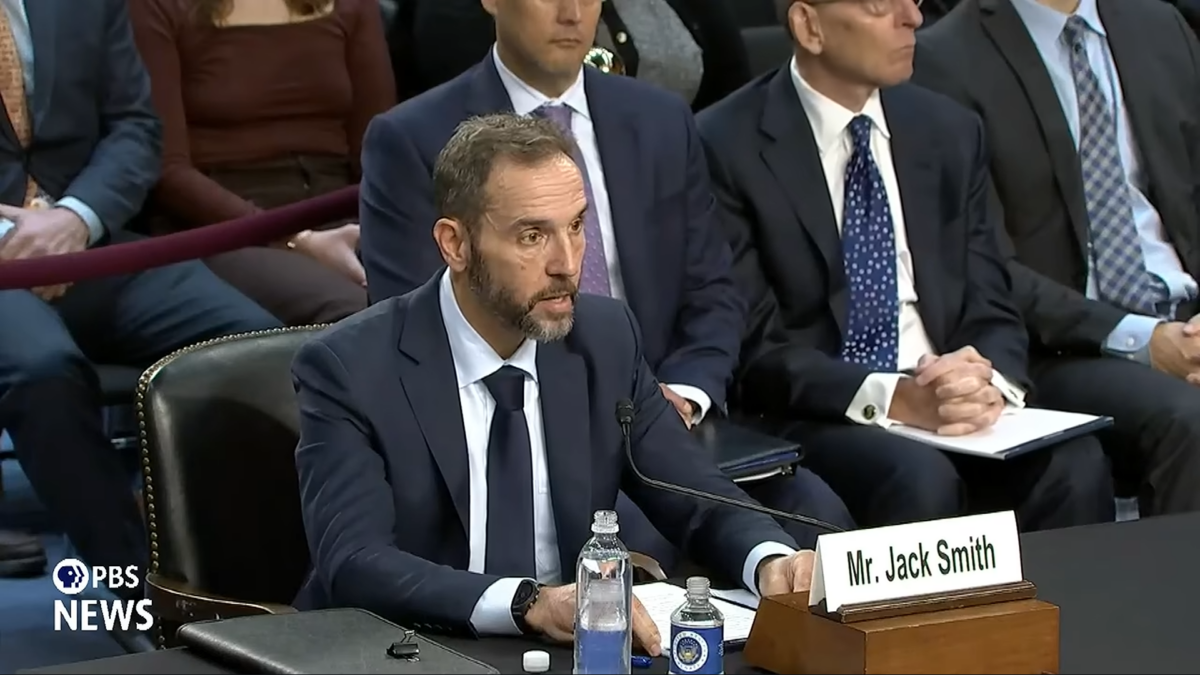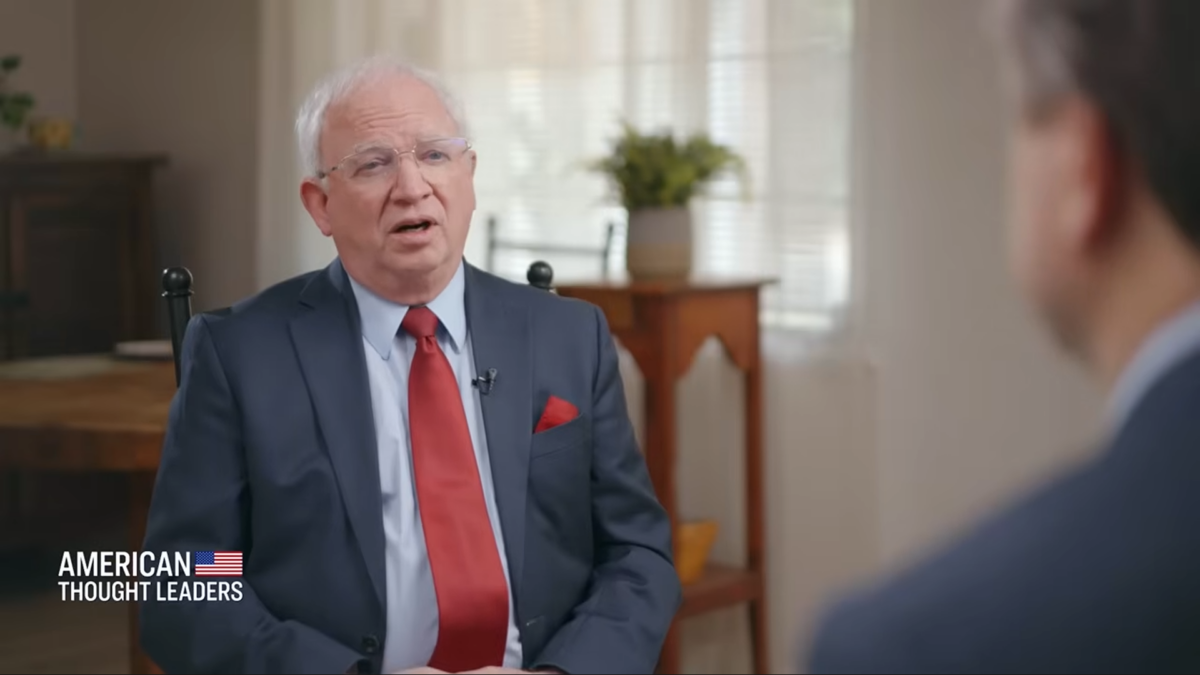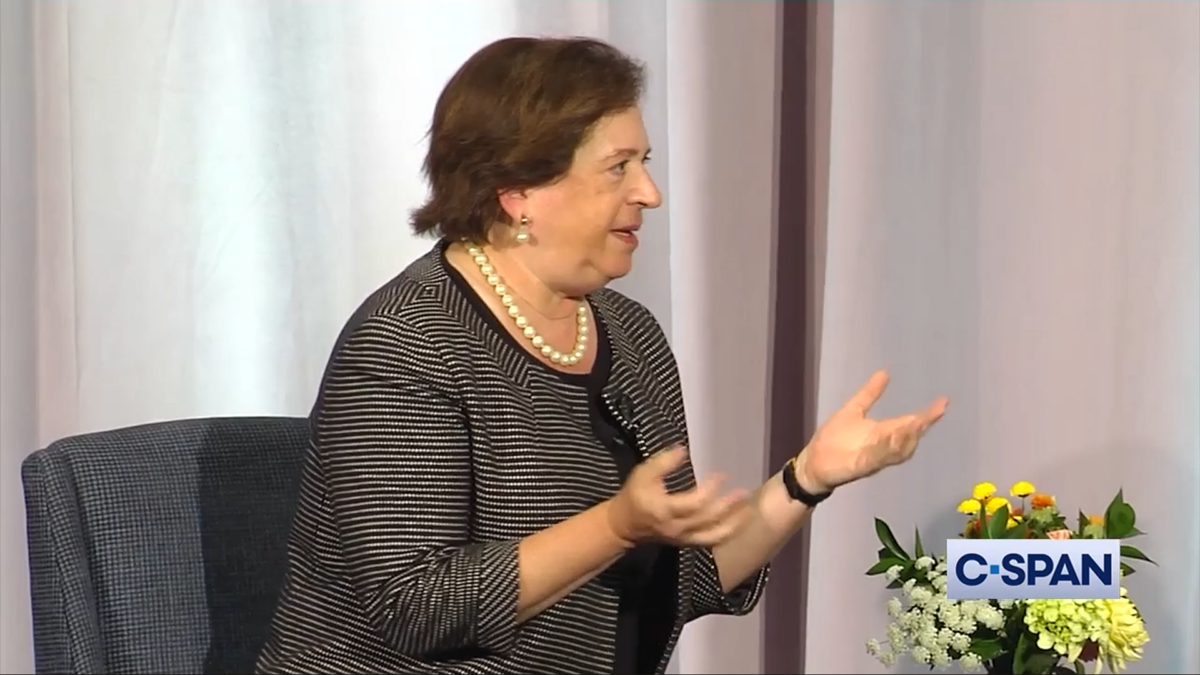
After the Dobbs decision overturning Roe v. Wade was leaked in May of 2022, Justice Samuel Alito warned his colleagues that delaying its official release “was a security threat,” The Federalist’s Editor-In-Chief Mollie Hemingway reports in her new book, Alito: The Justice Who Reshaped the Supreme Court and Restored the Constitution. Despite the danger, Justices Elena Kagan, Stephen Breyer, and Sonia Sotomayor included a footnote in their joint dissent tying Dobbs to an unreleased opinion — ensuring Dobbs could not be released until the other case was decided, Hemingway reveals.
Notably, the majority opinion was ready in February, and only the dissent needed to be finalized. But the liberal justices’ dissent lagged, holding up the decision’s release. When the justices convened on May 12 to assess the progress of the pending opinions, Dobbs was graded a “C,” meaning it was “not near completion” despite the majority opinion having been completed for months.
“Gorsuch spoke up, asking for a date by which they might be done,” Hemingway writes. “[The dissenters] would not give a date.”
“The dissenting justices eventually agreed to complete their Dobbs dissent by June 1 in return for an extension to June 15 of the deadline for their majority opinions in other cases,” Hemingway adds.
Even then, the delays didn’t end.
“When the dissent was finally submitted,” it included a footnote referencing the court’s upcoming — but not yet released — decision in New York State Rifle & Pistol Association v. Bruen. Notably, citing Bruen was unnecessary to the dissent’s analysis of substantive due process and the history of abortion regulation, and the minority justices could have made their point about the majority’s use of “history and tradition” without tying the Dobbs opinion to Bruen.
The inclusion of the citation effectively prevented Dobbs from being issued until Bruen came out — despite the active threats facing the conservative justices and the court, including an attempted assassination on Justice Brett Kavanaugh. The Dobbs decision was held until June 24, the day after Bruen was released, presumably because of the footnote.
Hemingway further reports that Breyer was most open to complying with Alito’s request to expedite the dissent but that Kagan “remonstrated with Breyer not to accommodate the majority, screaming so loudly, observers noted, that the ‘wall was shaking.’”
And as The Federalist’s Matt Kittle pointed out, “While pro-abortion zealots were calling for heads to roll, the court’s liberal minority did nothing to, as the left likes to say with empty virtue, ‘turn down the temperature.’”