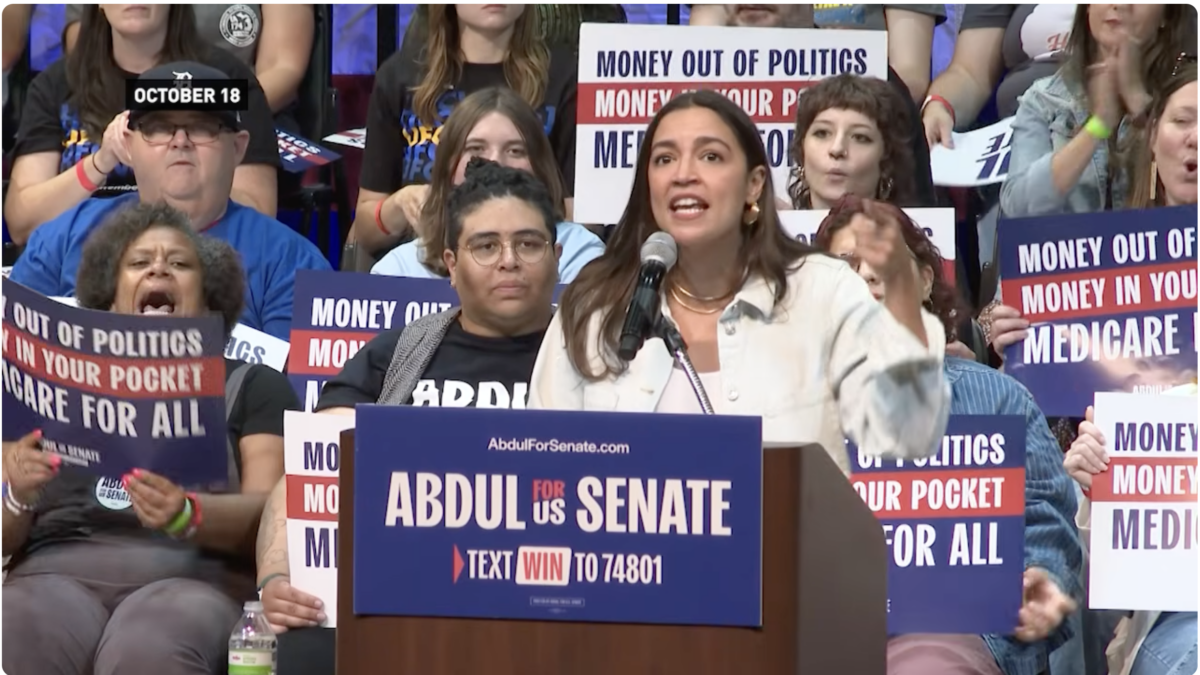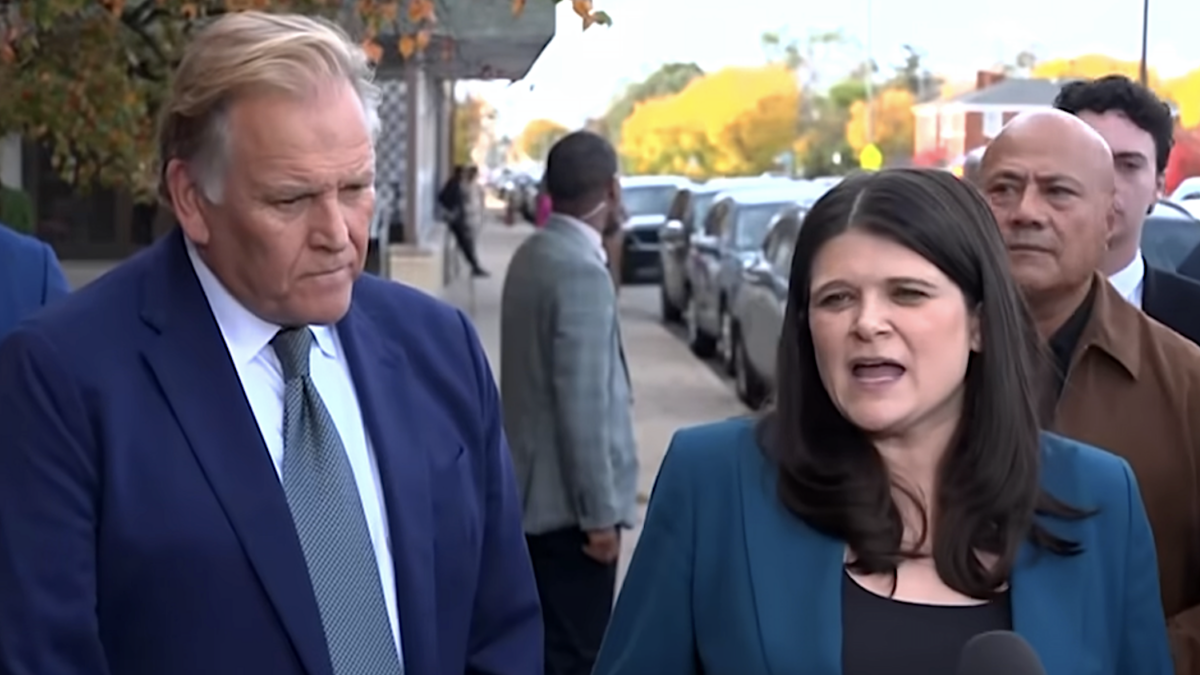

Democrat Rep. Haley Stevens’ surprise endorsement of Republican Mike Rogers over DSA Democrat Abdul El-Sayed for Michigan’s U.S. Senate seat was a political earthquake, but will it change anything?
Despite losing the Democrat primary to El-Sayed in August, Stevens remains a recognizable and politically influential figure in Michigan. She has particular appeal among voters who may be less enthusiastic about the socialist politics of the party nominee, so an endorsement from her could meaningfully affect the race — or at least it could if the endorsement had come before Nov. 1.
The Sunday surprise raises the question: How many voters can an endorsement actually influence when it comes just two days before Election Day, after weeks of early voting?
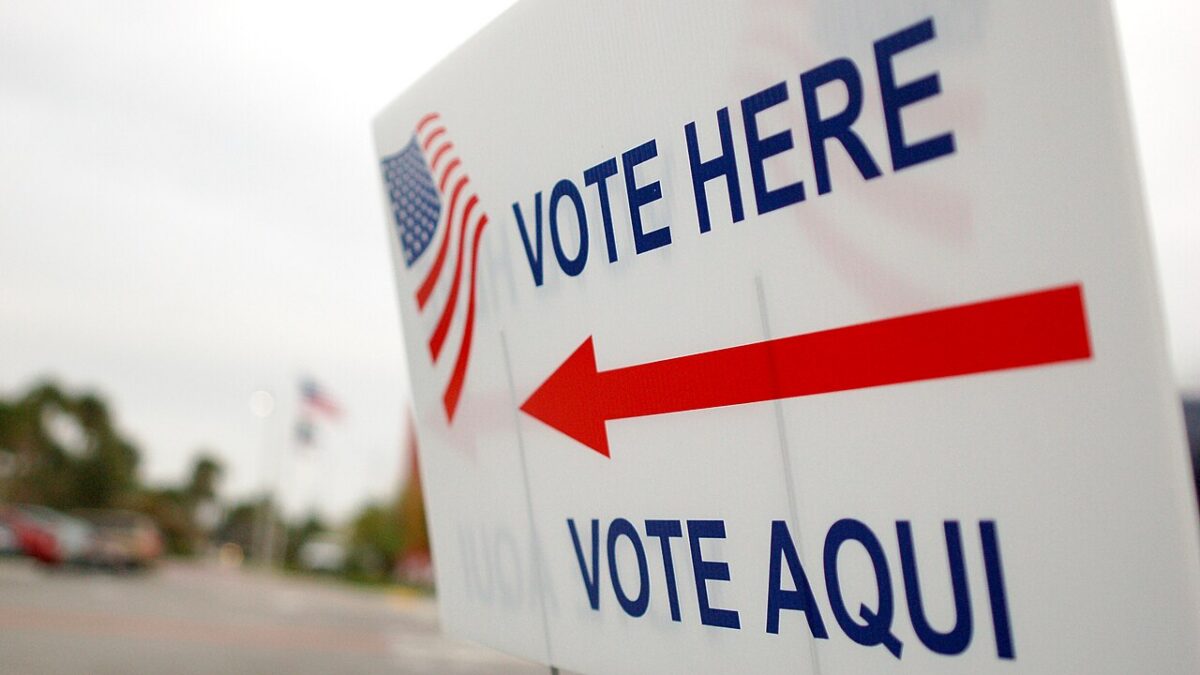
As of Nov. 1, approximately 2.17 million Michigan voters had already cast ballots. That included approximately 1.55 million mail-in ballots and 629,000 early in-person votes. Roughly 29 percent of Michigan’s active registered voters had made their decision before any late endorsements or last-minute campaign appeals could sway a decision.
Michigan recorded approximately 4.5 million total ballots in the entire 2022 midterm election. As of Sunday, the number of ballots cast in this midterm was already nearly half that benchmark, before Election Day had even arrived.
In other words, millions of Michigan voters have already made their decisions. Stevens delivered a powerful political statement, but the opportunity for that endorsement to change votes is considerably smaller than it would have been in an election where most people voted on Election Day rather than during the long early voting window. America’s ever-expanding early voting period has rendered late endorsements all but moot.
The length of early voting has gotten out of control. When voting stretches across weeks, campaigns lose one of their most important advantages: the ability to persuade voters in the final days of an election.
President Trump’s primary endorsements have demonstrated a similar challenge. While his endorsement record remains exceptionally strong overall, several high-profile candidates failed to secure Republican nominations despite his vocal support. The president has a 96 percent success rate for endorsements in 2026 primaries, an impressive number that shows his continued leadership of the Republican Party’s direction. But even his support can only go so far if it comes after a considerable number of voters have already cast their ballots.
Rep. Randy Feenstra, whom Trump endorsed just a few days before the Iowa gubernatorial primary, lost by a mere 1,644 votes. With an absentee vote rate of more than 12 percent in the Republican primary, this late endorsement could only do so much. In Florida’s 19th Congressional District Republican primary, a last-minute endorsement from President Trump seemed to lead Catalina Lauf to win Election Day votes but still lose to Jim Schwartzel, who dominated the early and absentee ballots before the president put his support behind Lauf.
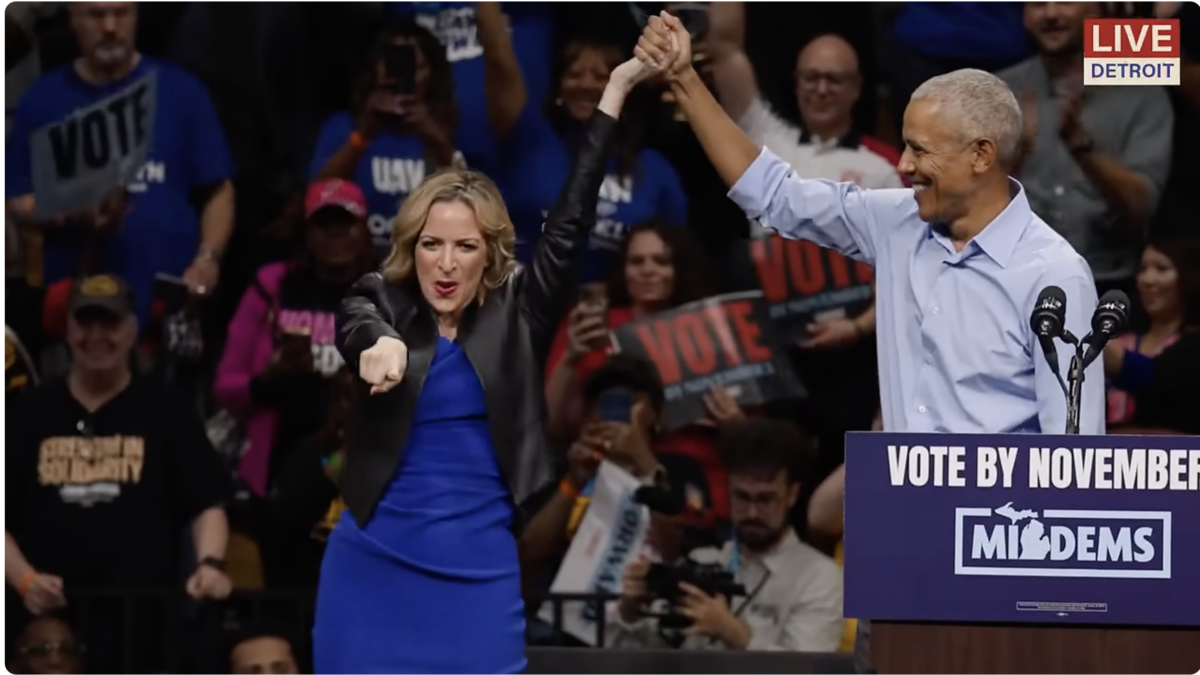
Presidential campaign rallies suffer from similar problems. Trump rallies generate enthusiasm, energize supporters, and attract media attention, but their ability to change someone’s mind is limited when that person has already voted. A rally held in the final days of a campaign may generate tremendous momentum in the media and drive turnout among voters who may not otherwise have made it to the polls, but it can’t affect the ballots already sitting in election offices.
This raises a fundamental question about the future of American elections: Are we reaching a point where the most critical days of a typical campaign season are taking place after a substantial portion of the electorate has already voted?
Campaigns deserve the opportunity to make their closing arguments. Candidates should be able to respond to breaking news, issue late endorsements, hold rallies, and make their final appeals to voters while those messages can still make a difference.
That is why we need to shorten the voting window. A reasonable approach would be to establish a one-week early voting period, with the intention of returning from “election month” to Election Day. Voters ought to have reasonable opportunities to cast their ballots, but we must also preserve the importance of the final days of a campaign.
Otherwise, surprise endorsements like Haley Stevens’ will become little more than interesting political footnotes in campaigns that may already have been decided by voters who cast their ballots weeks earlier.