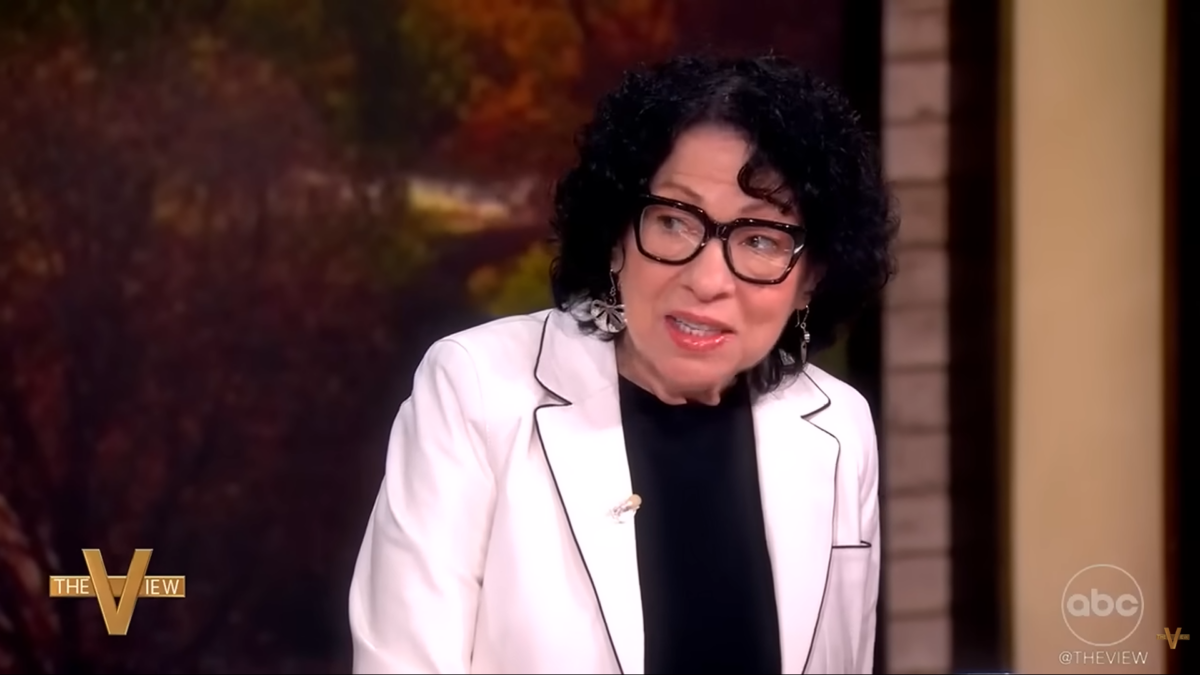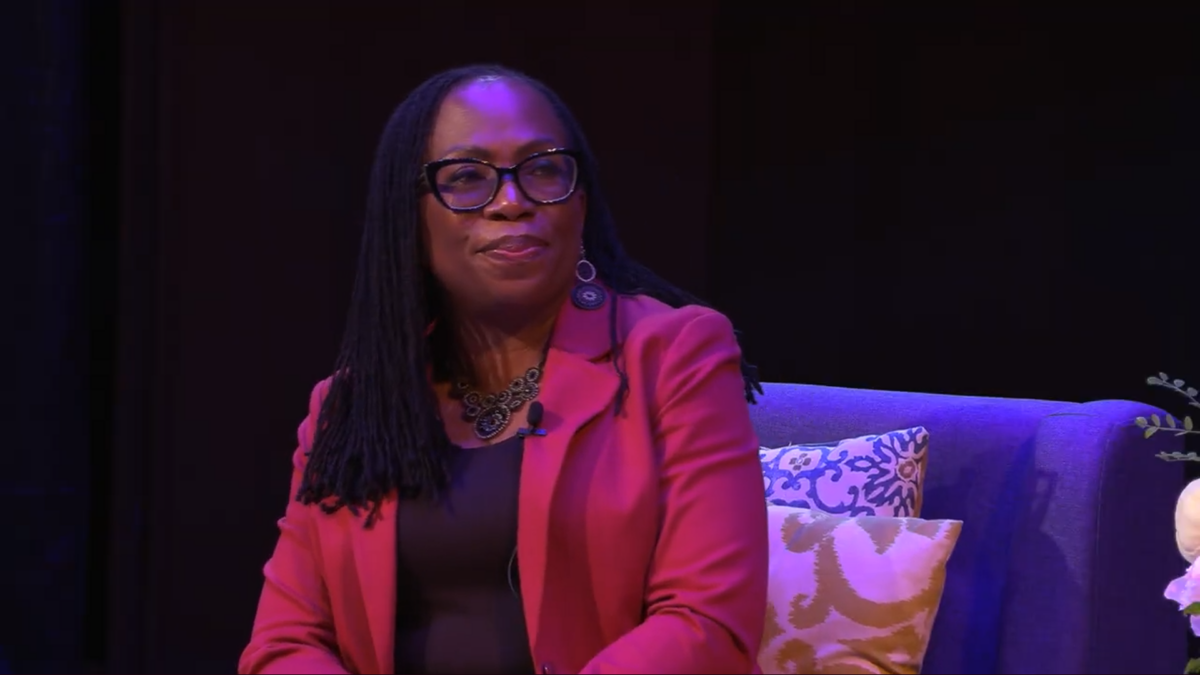

The U.S. Supreme Court agreed on Friday to pause a lower court blockade on a Trump administration program that helps verify registered voters’ citizenship status. The vote was 6-3, with Justices Sonia Sotomayor, Elena Kagan, and Ketanji Brown Jackson in dissent.
In its per curiam opinion, the high court granted the government’s emergency application to temporarily stay a June ruling by D.C. District Judge Sparkle Sooknanan, a Biden appointee. That decision blocked the use of a revised federal system to determine whether a registered voter is a U.S. citizen for election integrity purposes.
As described by SCOTUSblog, the modified program came about following a March executive order by President Trump that (“among other things”) instructed the Department of Homeland Security and the Social Security Administration to “create systems that would allow state and local governments to verify the citizenship and immigration status of voters.” Those departments subsequently “overhauled” DHS’s Systematic Alien Verification for Entitlements (SAVE) database system “to include the records of U.S.-born citizens, to give it access to Social Security numbers, and to allow bulk searches (rather than requiring users to inquire about one person at a time).”
The Trump administration’s initial request to pause Sooknanan’s decision was rejected by the D.C. Circuit Court of Appeals (2-1) on Sept. 4. The government then filed its application for relief with SCOTUS days later.
In its Friday ruling, the Supreme Court weighed several factors (likelihood of success on the merits, showing of irreparable harm if the injunction is left in place, etc.) in deciding to grant the administration’s request for relief.
Starting with the prospects that it would reverse the lower courts, the high court found that while the left-wing League of Women Voters and other plaintiff organizations challenging the president’s order “likely have standing, their claims likely lack merit.” The majority noted that the plaintiffs’ arguments that the administration “violated the Social Security Act, Privacy Act, and [Administrative Procedures Act]” likely fall flat because Congress “separately and expressly authorized DHS to request and receive information relating to citizenship and immigration status from other agencies, including SSA, in the Illegal Immigration Reform and Immigrant Responsibility Act (IIRIRA).”
SCOTUS went on to describe relevant provisions of the IIRIRA and how they seemingly bar the plaintiffs’ claims against the administration. “In light of these provisions,” the majority wrote, “this Court is likely to reverse the District Court’s holding that the federal defendants violated the Social Security Act, the Privacy Act, and the APA.”
The court added that the rest of the factors used to determine if a stay is warranted favor the administration.
Writing for the dissent, Jackson disagreed with the majority’s interpretation of the IIRIRA. While characterizing its reading as a “‘back-of-the-napkin assessment'” that “is implausible,” the Biden appointee accused the court of “misread[ing] the statutory text.”
“[N]othing in §1373 authorizes the modified SAVE system or overrides the provisions of the Social Security Act and the Privacy Act that Respondents say the Government has violated. And the Government puts forward no nonforfeited arguments that the modifications to SAVE in fact complied with the Social Security Act’s confidentiality provision,” Jackson wrote. “These are reasons enough to find that the Government is unlikely to succeed on the merits of its appeal, so I would not reach the Government’s arguments regarding the Privacy Act and the APA.”
Jackson further espoused disagreement with the majority’s weighing of the other factors used to grant the administration’s request for relief. She also seemingly bragged that the one “bright side” of the court’s opinion is that it “will likely have minimal short-term impact, as States will at most conduct individualized voter-roll maintenance using the modified SAVE system ahead of the November elections.”
According to Friday’s ruling, Sooknanan’s order is “stayed pending the disposition of appeal to the United States Court of Appeals for the District of Columbia and disposition of a petition for a writ of certiorari, if such a writ is timely sought.” The Supreme Court’s pause will terminate if a petition from the administration to SCOTUS is denied by the high court or if SCOTUS agrees to consider the matter and issue a judgment on the merits of the case.