
This week the FBI released newly declassified files on former Rep. Eric Swalwell, D-Calif., and Chinese national Christine Fang (Fang Fang). There are two heavily redacted packets: one from the San Francisco Division’s 2014 “Freshman Fifteen” public-corruption probe and the other covering counterintelligence and recruitment efforts. These documents fill in details that earlier reporting left incomplete and underscore how institutional choices allowed a suspected Chinese intelligence operative to operate with relative impunity.
Here is a brief summary of the case: Fang, a Chinese national who lived in the U.S. until 2015, was the daughter of officers in China’s Ministry of State Security (MSS). The FBI suspected her of being an MSS-linked operative and unsuccessfully attempted to recruit her as a source in 2013 and 2014.
Fang facilitated conduit contributions to Swalwell’s campaigns, contradicting the 2020 Axios report that claimed there was no evidence of illegal donations. She also placed interns in Swalwell’s office and maintained a sexual relationship with him. FBI agents built a case against both Fang and Swalwell and provided regular updates to the Justice Department’s Public Integrity Section (PIN), then led by Jack Smith, who later oversaw the special counsel investigations into Donald Trump. Declassified files now indicate the case was more serious than previously understood. It remains unclear why the DOJ did not arrest or charge Fang.
Swalwell cut ties with Fang after agents gave him a defensive briefing in early 2015. Fang fled to China in May that same year. She remains in China and is barred from re-entering the United States. The DOJ closed the Fang/Swalwell case without action against either party.
The declassified documents reveal a broader reluctance among institutions to address Chinese influence operations targeting Democratic officials. Field agents reported Fang’s illegal fundraising and other suspicious activities to Jack Smith’s Public Integrity Section. Yet, no decisive steps were taken before the suspected operative left the country. Once Fang was safely in China, the chance to prosecute or further disrupt her network disappeared. Closing the case without charges left the underlying security risk unresolved.
Democratic leaders further complicated the situation. Then-House Speaker Nancy Pelosi publicly supported Swalwell and kept him on the House Intelligence Committee for years, suggesting that party considerations took precedence over the counterintelligence warning the FBI had already delivered.
The Swalwell/Fang case is not an isolated incident. The same FBI San Francisco Division had earlier identified former Sen. Dianne Feinstein’s longtime driver and California staffer as a Chinese intelligence recruit. He reported on local politics to handlers linked to the San Francisco Chinese consulate for years before the bureau notified Feinstein in 2013. Sen. Feinstein dismissed him, yet no charges were filed. The breach occurred while she chaired the Senate Intelligence Committee, one of the most sensitive oversight positions in government. Yet, her career proceeded without interruption or lasting professional consequence.
More recently, Linda Sun, a senior aide to Govs. Andrew Cuomo and Kathy Hochul, was charged with acting as an unregistered agent of the Chinese government. The case ended in a mistrial.
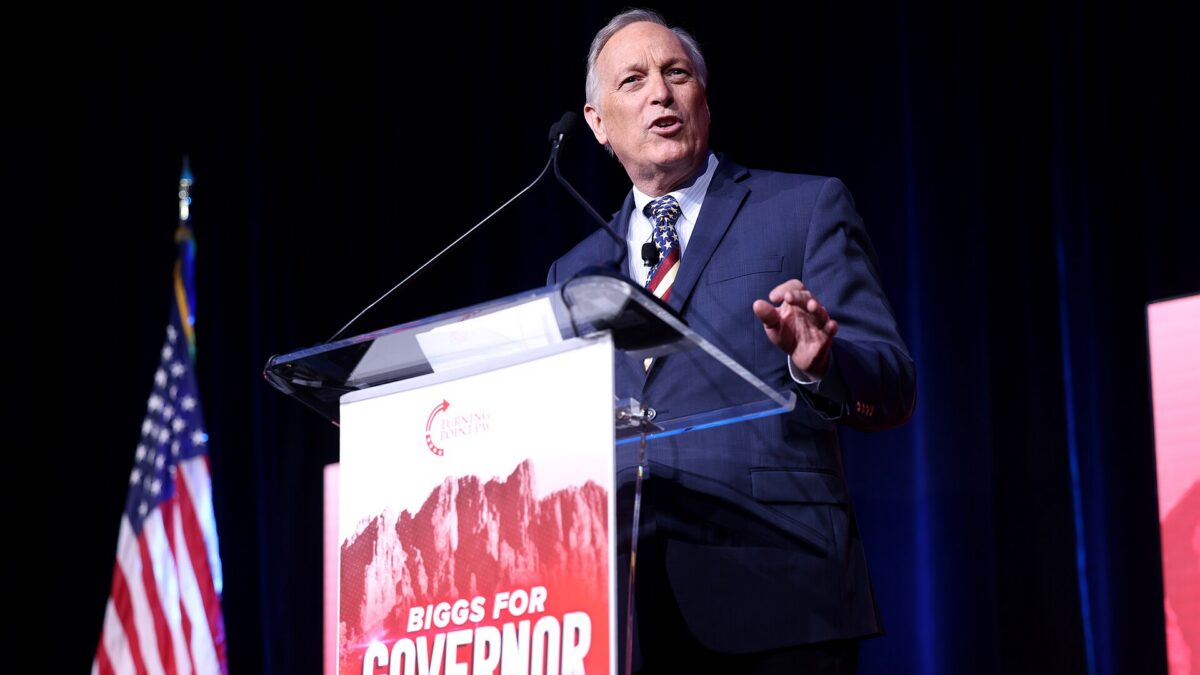
Even years later, the tendency to treat these episodes as personal or political problems rather than national-security failures persisted. In March 2026, Swalwell’s lawyers sent a cease-and-desist letter to FBI Director Kash Patel, demanding that the bureau not release decade-old investigative files. The letter argued that disclosure would smear Swalwell’s reputation and interfere with his campaign for California governor. Less than a month later, separate sexual misconduct allegations led Swalwell to suspend his campaign and resign from Congress.
Taken together, the Feinstein driver case, the Swalwell-Fang relationship and fundraising, and the Linda Sun prosecution show that the Chinese Communist Party continues to target U.S. politicians through influence operations exploiting access, relationships, and campaign finance. Field investigators can identify risks, but without stronger follow-through from the leadership at the FBI, the Justice Department, and political leaders, vulnerable officials may remain in or advance to sensitive positions while foreign operatives avoid accountability. Beijing may be incentivized to continue pushing for these operations because the risks seem manageable.
The newly declassified files make the cost of hesitation clear. Protecting the United States from Chinese Communist Party influence campaigns requires consistent action: pursuing timely charges when the evidence supports them, removing exposed officials from positions that handle classified information or sensitive oversight, and treating every such case as a genuine national-security priority rather than a political inconvenience to be managed. Without those steps, the openings that Christine Fang, Dianne Feinstein’s driver, and Linda Sun exploited will stay open for the next influence operation.