
A transportation project in Los Angeles may start to serve passengers next year, or it may collapse into financial chaos, abandonment, and a desperate search for someone to start running the thing after lenders bail out and it all falls apart. But first, the courts will have to work through the allegation that an engineer spied on a legal strategy session, and the builders will have to figure out why electrical arc flashes are charring the tracks.
It’s not the state’s infamously late high-speed rail project, but all of the same themes are there. Democrat-run California is the place where delivery never has any relationship to the promise, the cost estimate never comes close to suggesting the actual cost, the scheduled completion date is an open joke, and the failures and misunderstandings descend into allegations so bizarre they seem like a series of Mad Libs answers.
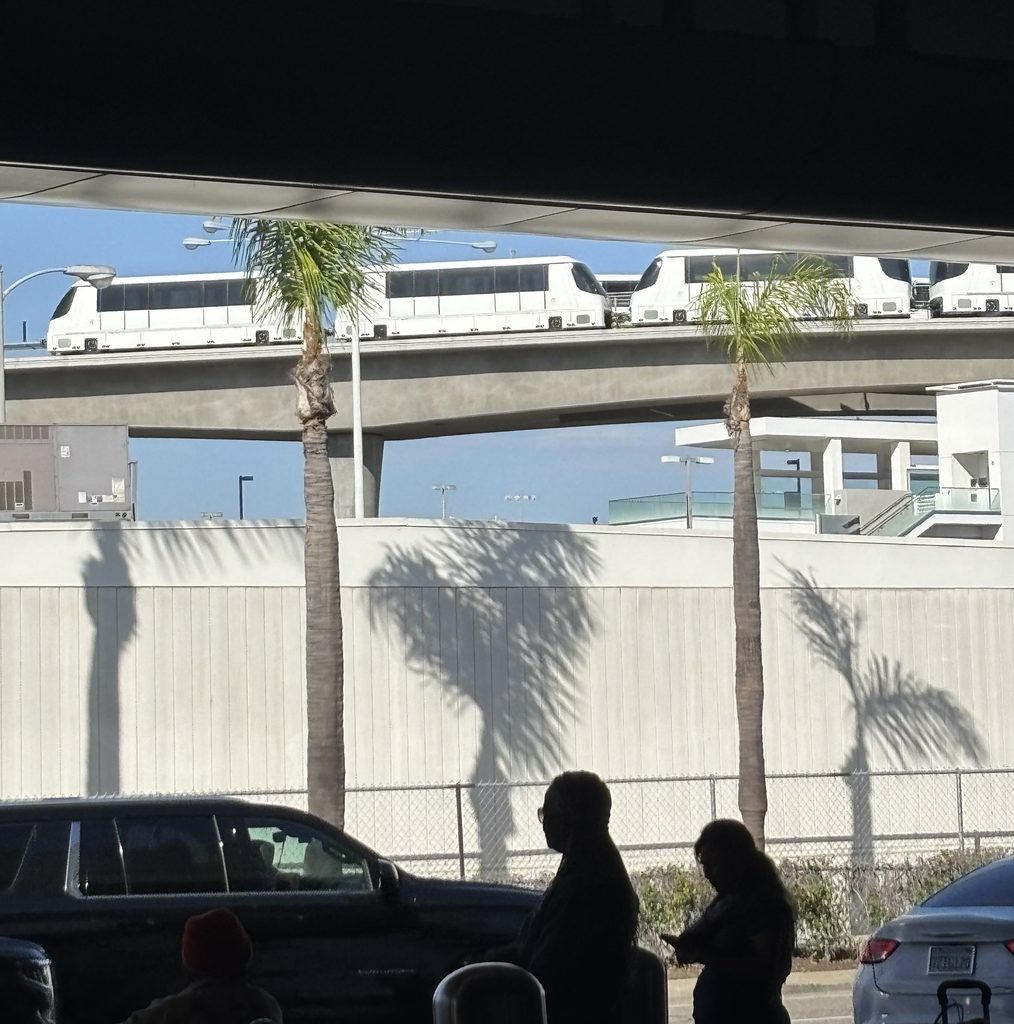
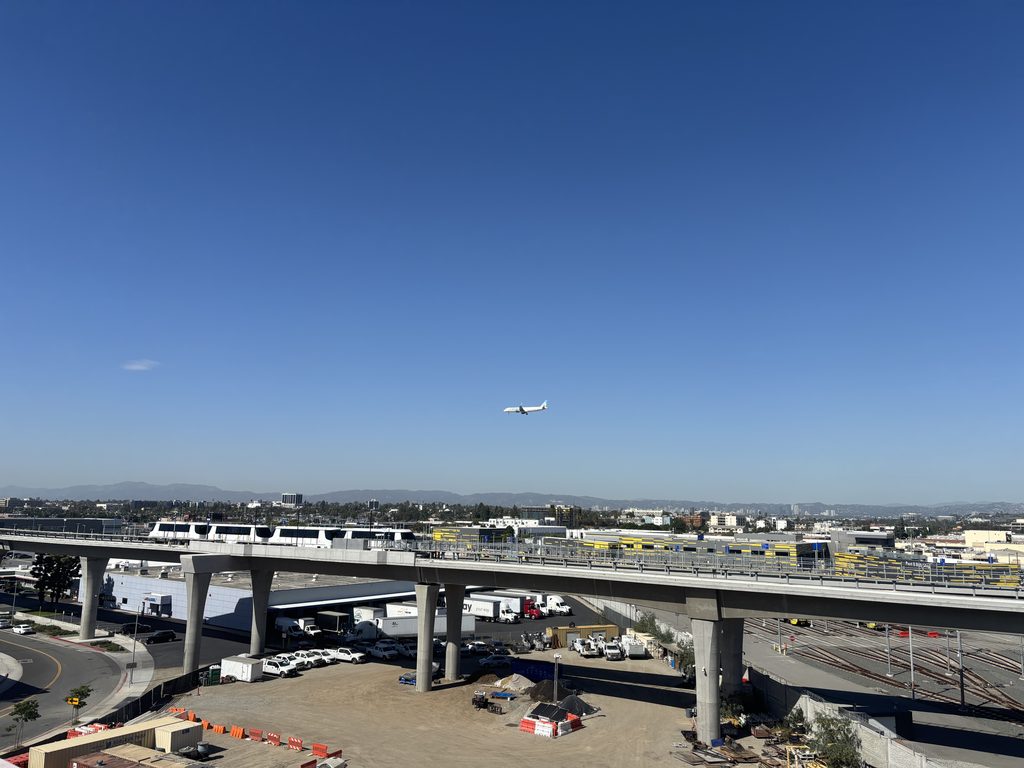
With the summer Olympics bringing crowds to Los Angeles in 2028, the City of Los Angeles decided to reduce traffic congestion at its famously nightmarish airport, LAX, by at-long-last linking the terminals and off-site rental car facilities with an automated train. The 2.25-mile SkyLink project was approved in 2018 and broke ground in 2019, with a promised opening date of 2023, at a budgeted construction cost of $1.9 billion. A larger dollar figure cited in that approval, totaling just under $5 billion, was supposed to be the cost of construction plus the cost of operating the system, covering the first thirty years of the project.
Today, the project is hoping to start serving passengers sometime in 2027, and construction costs alone are expected to top $3 billion. The empty trains slowly circle the airport, being tested again after recent structural failures that caused damage and uncertainty.
To understand everything that comes next, you’ll need to know the abbreviations for the two entities that make up SkyLink’s public-private construction partnership: Los Angeles World Airports (LAWA), an agency of the City of Los Angeles, and LAX Express Integrated Solutions (LINXS), a Delaware LLC created in 2018 by the consortium of construction and engineering contractors who are building the project.
To begin with the simple part, an engineering report issued on October 8 describes the latest structural problems on the project, including a series of “defective expansion joints.” After the repair of those elements, the contractors restored electricity to the tracks for a “ramp-up period” that would lead to new testing, but then this happened:
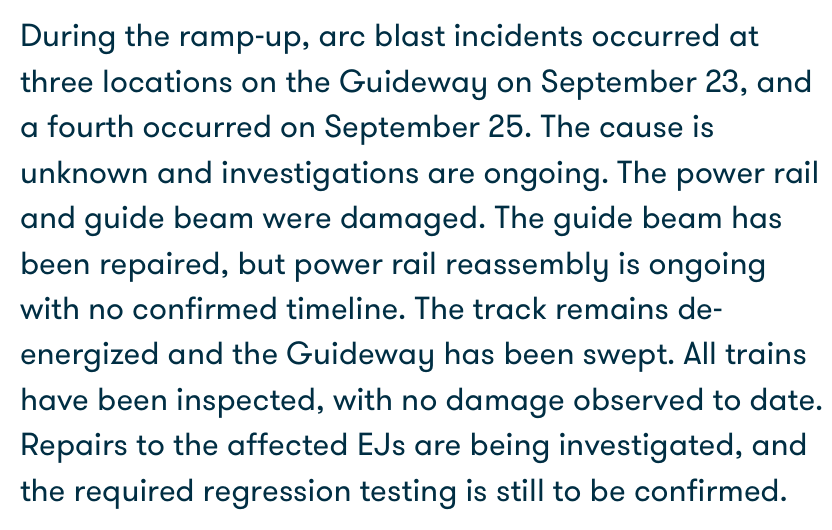
A broader project update from LINXS released on October 15 by the group of contractors described the same incidents, calling the worst an “overcurrent event” that damaged “the power and ground rails and guide beam.”
But that project report also included a long recitation of grievances against LAWA. An executive summary on pg. 4 reads like a dispute between bad neighbors who hate each other and scream insults over the fence, if you want to click on the link and see for yourself. As a sign of how the SkyLink project is going, here’s a piece of a single paragraph, and remember as you read this excerpt that these two organizations have to work together as partners to finish the project:
On 8/13/26, LINXS Constructors was informed by LAWA personnel that a fire alarm control panel was vandalized at 351 World Way (WCTA). It was also reported that a police report had been filed for the incident. LINXS Constructors has made attempts to obtain the police report # from the LAWA personnel who have refused to provide it. In response, LINXS Constructors started its own investigation to see if its equipment (i.e. fire alarm control panels) had been vandalized. LINXS Constructors identified that on 8/12/2026 that someone (suspected to be a LAWA employee) entered LINXS Constructors’ construction site without permission and removed the key cylinder to LINXS’ Fire Command Center on the first floor of the Parking Garage 3.5 (LINXS Constructors’ construction site). LINXS Constructors did not provide any LAWA personnel permission to enter its space and remove LINXS Constructors’ key cylinder from LINXS Constructors’ door, nor permission to enter LINXS Constructors’ space under any circumstances without LINXS Constructors’ knowledge. LAWA personnel have continued to enter LINXS Constructors’ space without LINXS Constructors’ consent after the removal of LINXS Constructors’ key cylinder. LINXS Constructors’ no longer has access to its space and equipment and materials due to LAWA’s trespass and breach of contract.
Reflecting those themes of suspicion and hostility, a breach of contract lawsuit filed against the city in July by the LINXS consortium of contractors lays out a set of complicated grievances that are unlikely to be resolved in a hurry, producing extraordinary counterclaims from city officials.
You can read the complaint filed by LINXS here, courtesy of a Southern California Public Radio reporter who uploaded it to a public website for easy access. Among the long list of claims it makes against LAWA, the complaint alleges that the city agency is improperly rejecting project plans and refusing to complete contracts for utility connections to the rail system, while the LADWP – the public utility arm of the same city government – keeps allegedly making consequential mistakes as it connects the electric train system to its power source.
The SkyLink project is part of LAWA’s Landside Access Modernization Program (LAMP) a much larger effort to improve the streets and traffic on the “landside,” rather than the “airside,” or the airport. (So yes: LAWA LAMP.)
LINXS charges in its lawsuit that the long list of other contractors working on other LAMP projects are pirating electricity from the SkyLink project, improperly entering closed SkyLink construction areas, and performing demolition work on completed elements of the SkyLink system that get in their way.
Don’t miss that last part: The people who are building the automated train system at LAX allege that other LAWA contractors are destroying their work as they finish it. LINXS depicts their construction project as a fight against the destructive efforts of the people who commissioned their construction project.
Finally, the LINXS lawsuit gets especially ugly with an explosive claim that LAWA is deliberately trying to prevent the contractors from successfully completing the project, allegedly so the city can dodge political accountability for the delays and avoid paying contractual penalties to the contractors, as a start.
Conditions from project lenders meant that the delays allegedly caused by LAWA threatened LINXS with financial catastrophe, as an October 8 deadline for project completion presaged a failure that could cause the project’s lenders to call in their loans. The deadline passed, and the lenders granted a reprieve, but a new financial deadline arrives in December.
But then we get to Paragraph 124 of the complaint, the angry heart of the current court battle. This is where LINXS alleges that LAWA is deliberately making an effort to cause the project to fail so that it can be taken over and given to someone else:
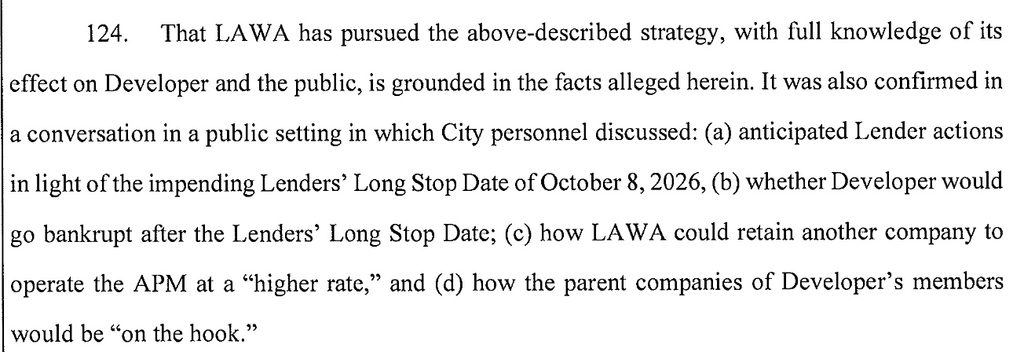
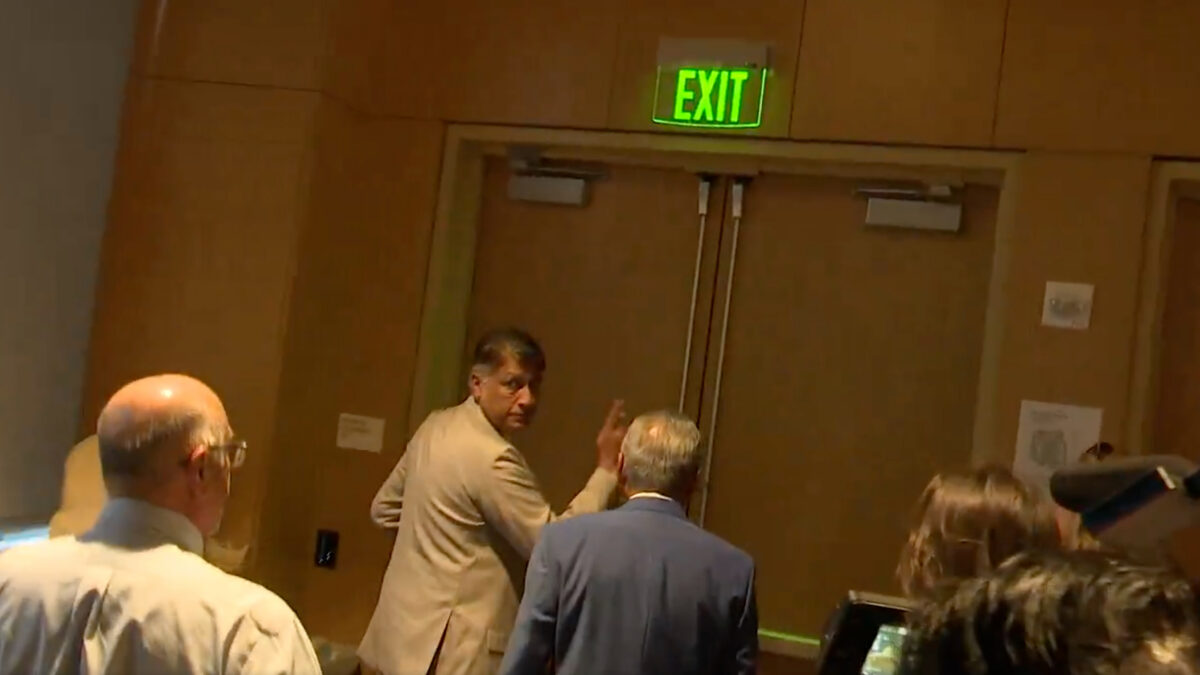
For a lawsuit filed in July, the City of Los Angeles has not yet filed the usual response in which a defendant contests the plaintiffs fact claims. Instead, the city is pursuing a procedural attack on the complaint in which they allege that it was improperly made. Read Paragraph 124 again: It describes LAWA’s strategy, “confirmed in a conversation in a public setting” between city personnel. LINXS at the very least overheard a conversation about legal strategy, and said so in their complaint.
Here’s how the city characterizes the same event, discussing a letter a LINXS lawyer sent to lawyers representing LAWA:
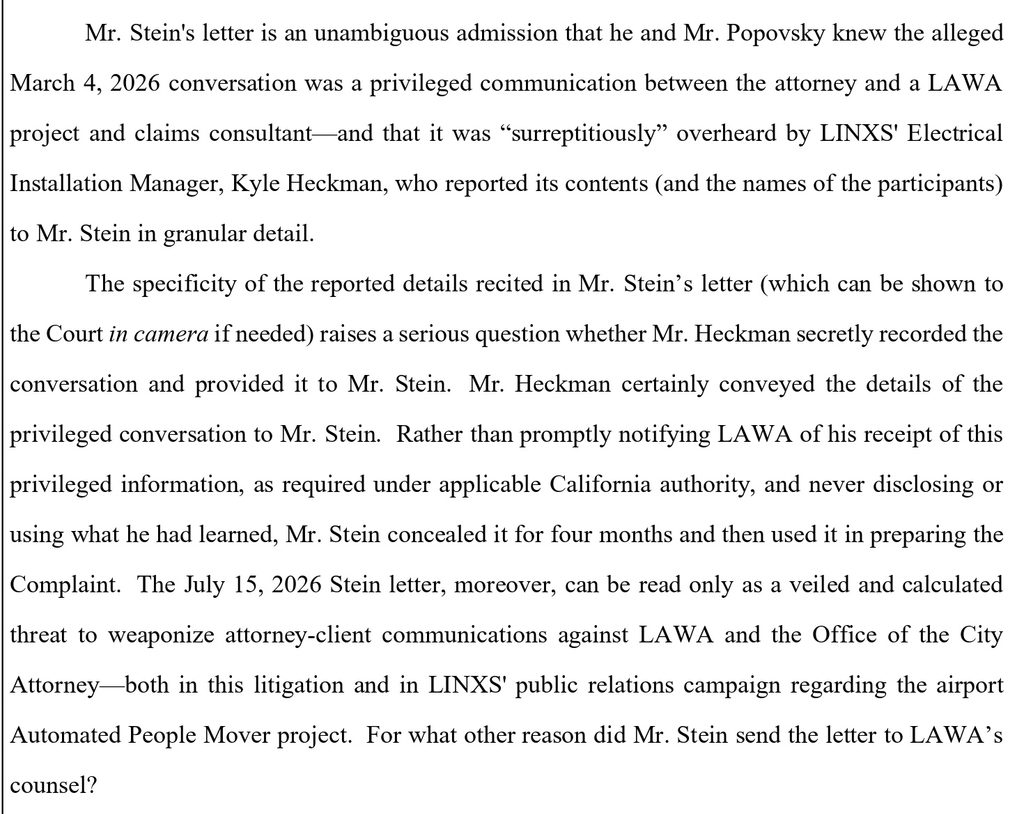
Los Angeles airport officials, responding to a claim that they’re trying to destroy their own contractors to hand off their project to someone else, allege in response that an electrical system project manager may have spied on their lawyers. If that sentence reads like a basically random aggregation of words, that’s also how it felt to write it.
Coming next: A hearing in Los Angeles Superior Court on December 10, shortly after the new deadline from lenders for the completion of the project, will make for a long morning:
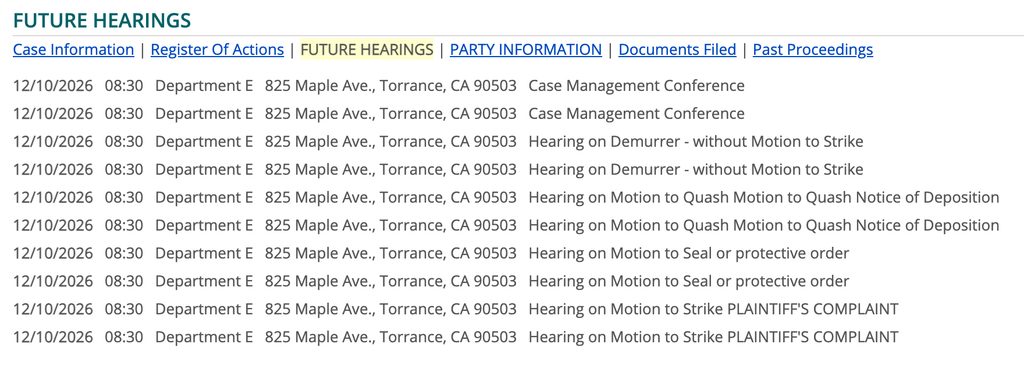
And this is why a project that was supposed to be done in 2023 for less than $2 billion is still far from done and reportedly at least a billion dollars over budget.
As a final sign of how little anything in California manages to approach the behavioral boundaries of normal institutions populated by reasonable people, the Los Angeles County Civil Grand Jury conducted an investigation into the delays and budget problems that have plagued the SkyLink project. The grand jury presented its report as the dramatic outline of a theatrical production, quoting Colonel Jessup from A Few Good Men:
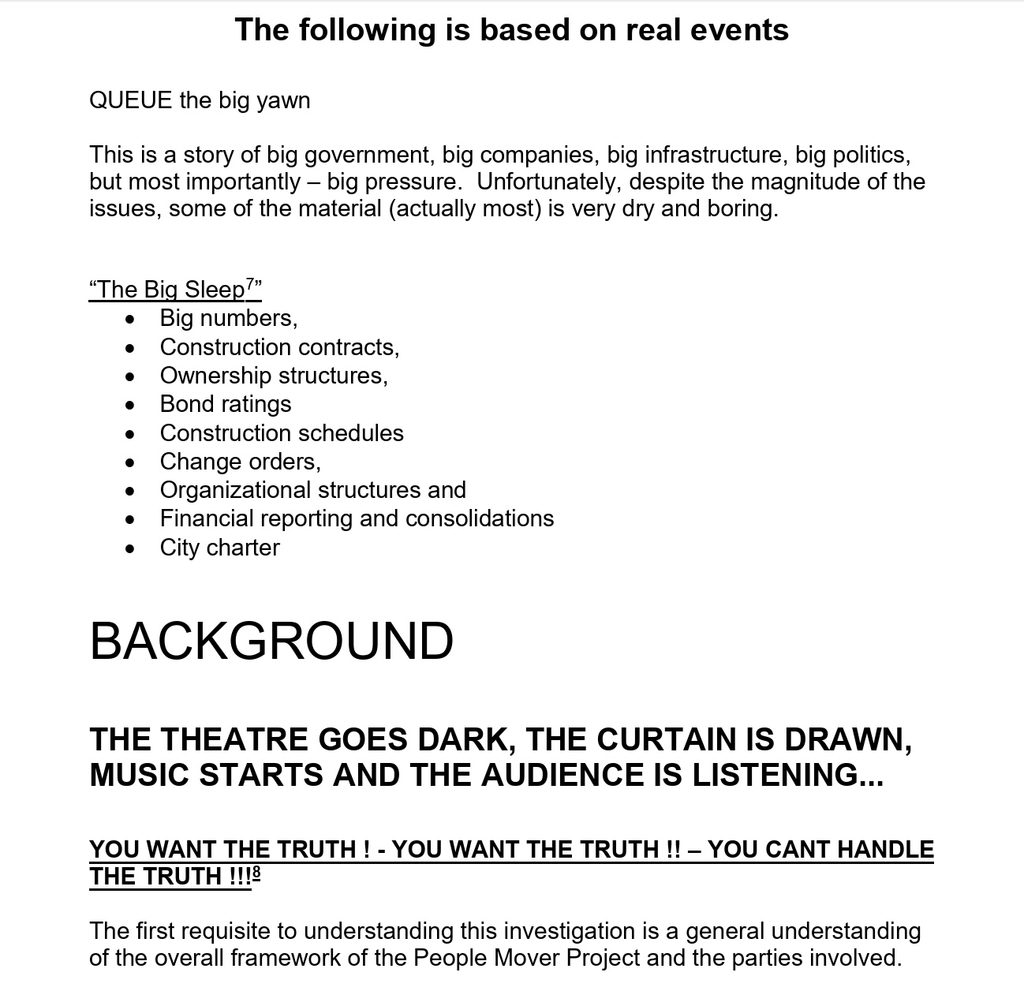
What a surprise that nothing here ever works.
The Federalist sent questions about the SkyLink project and the resulting litigation to both LINXS and LAWA. The contractors didn’t respond. LAWA replied to say that they couldn’t respond quickly and would need more time to prepare answers, but then didn’t respond to questions about how much more time they needed. Both have typically declined to comment on the litigation in response to media inquiries.