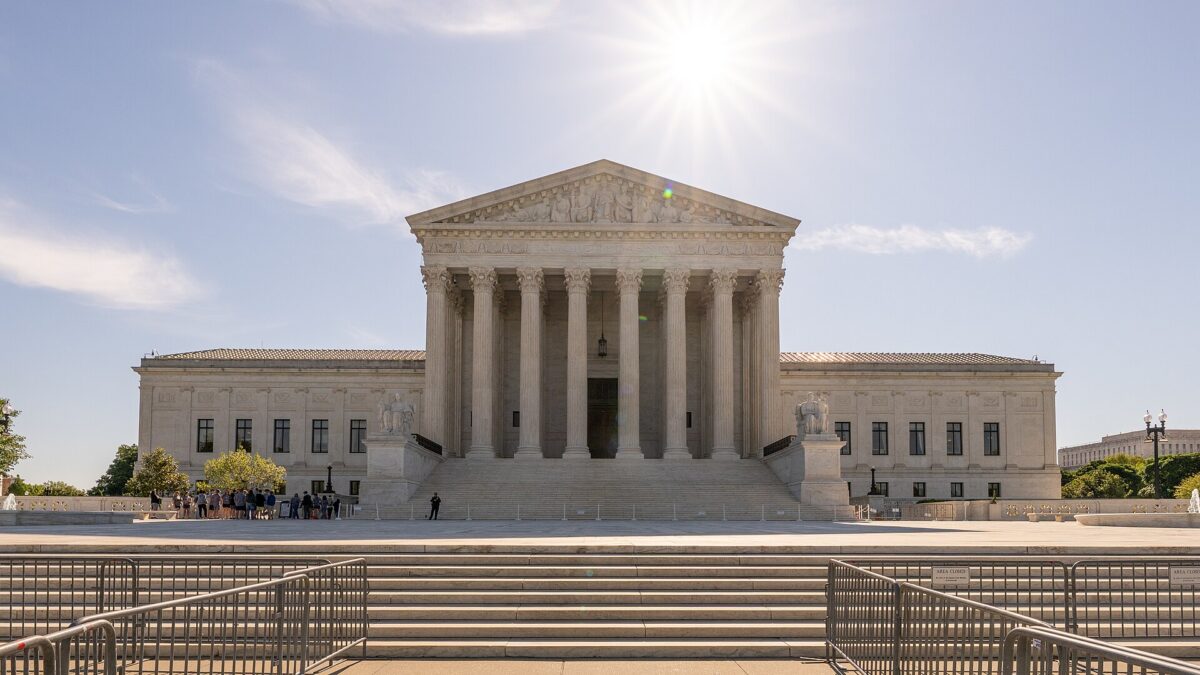

The U.S. Supreme Court is busily dishing out its final opinions before heading into America’s 250th birthday. But it’s also announcing which cases it’ll be hearing in its upcoming fall term.
As part of its Monday order list, the high court revealed that it will be taking up and holding arguments in a series of legal disputes involving major policy questions.
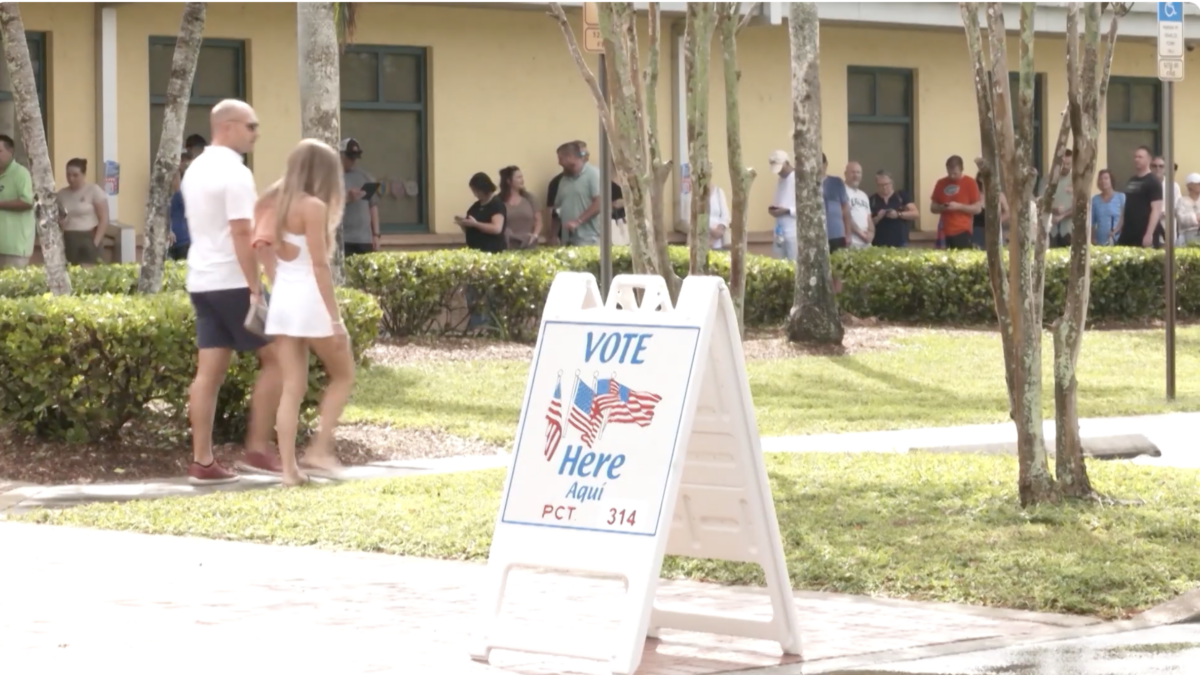
Among those granted “cert” is Republican National Committee v. Mi Familia Vota, which deals with a challenge to provisions of Arizona law requiring residents to prove they’re American citizens when registering to vote.
As The Federalist previously reported, the contested provisions mandate that residents show documentary proof of citizenship (DPOC) when registering via state voter registration forms. They also required such proof for individuals submitting mail-in ballots and voting in presidential contests. (In Arizona, individuals who do not provide DPOC when registering to vote are permitted to do so as “federal-only voters” and only cast ballots in federal elections.)
A panel for the 9th Circuit Court of Appeals blocked parts of the law from taking effect in February 2025. The court argued that the contested provisions violated the Civil Rights Act and the National Voter Registration Act (NVRA), which requires state officials to make “a reasonable effort to remove the names of ineligible voters from the official lists of eligible voters.”
The Trump Justice Department filed a petition encouraging SCOTUS to take up the case last month. The agency asked the justices to address questions such as whether the NVRA preempts states like Arizona from “implementing a program to remove noncitizens from its voter rolls within 90 days of a federal election” and whether it prevents states from requiring residents to show DPOC when “registering to vote in federal elections using the state registration form.”
The Supreme Court also revealed that it will hear oral arguments in International Partners for Ethical Care, Inc. v. Ferguson. As described by The Federalist Society, the case centers around a Washington state law “that delays notification and reunification of a runaway child with his or her parents if that child claims to be receiving or requests” so-called “care” encouraging transgenderism.
Brought by a group of concerned parents, the lawsuit was dismissed by the lower courts over an alleged lack of standing to bring the challenge. The justices will weigh whether “parents have standing to challenge a law or policy that deliberately displaces their decision-making role as to ‘gender transitions’ of their children, and in so doing creates present and likely future impediments to their ability to parent their children as they deem best for them.”
Also added to the Supreme Court’s 2026 docket is Wassily v. Blanche.
The case deals with a pair of noncitizens who were granted asylum in America but later committed criminal offenses. The federal government sought to revoke their asylum status and moved to deport them as a result.
While immigration judges affirmed these decisions, the noncitizens moved to change their status to lawful permanent resident, resulting in a drawn-out legal battle. The 2nd Circuit Court of Appeals ultimately ruled that federal law “requires a noncitizen to have current asylum status to be eligible for adjustment to lawful permanent resident status” and “concluded that a past grant of asylum is insufficient if that status has since been terminated,” according to Justia.
The Supreme Court will now review that decision.