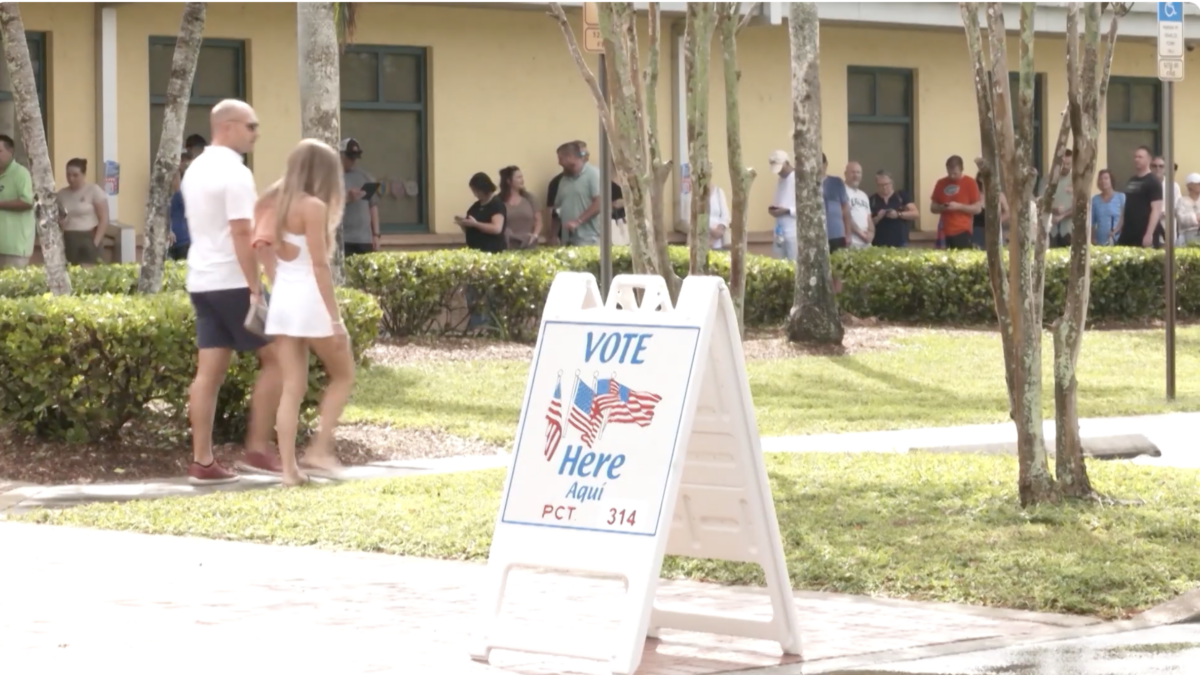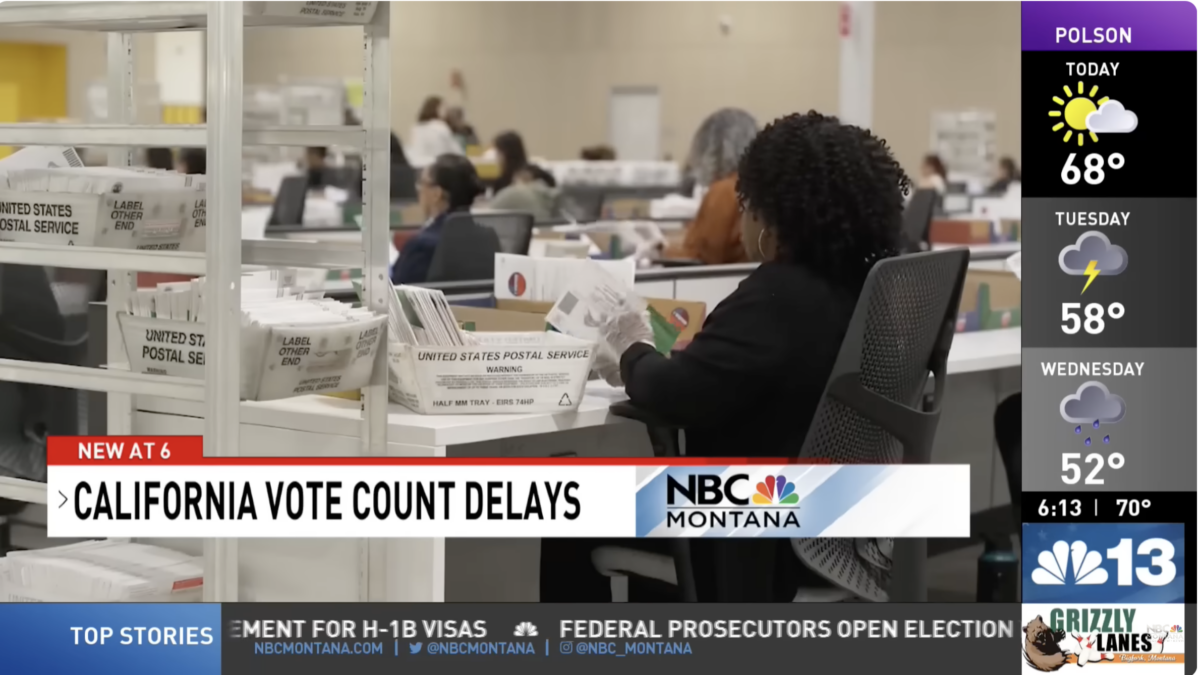
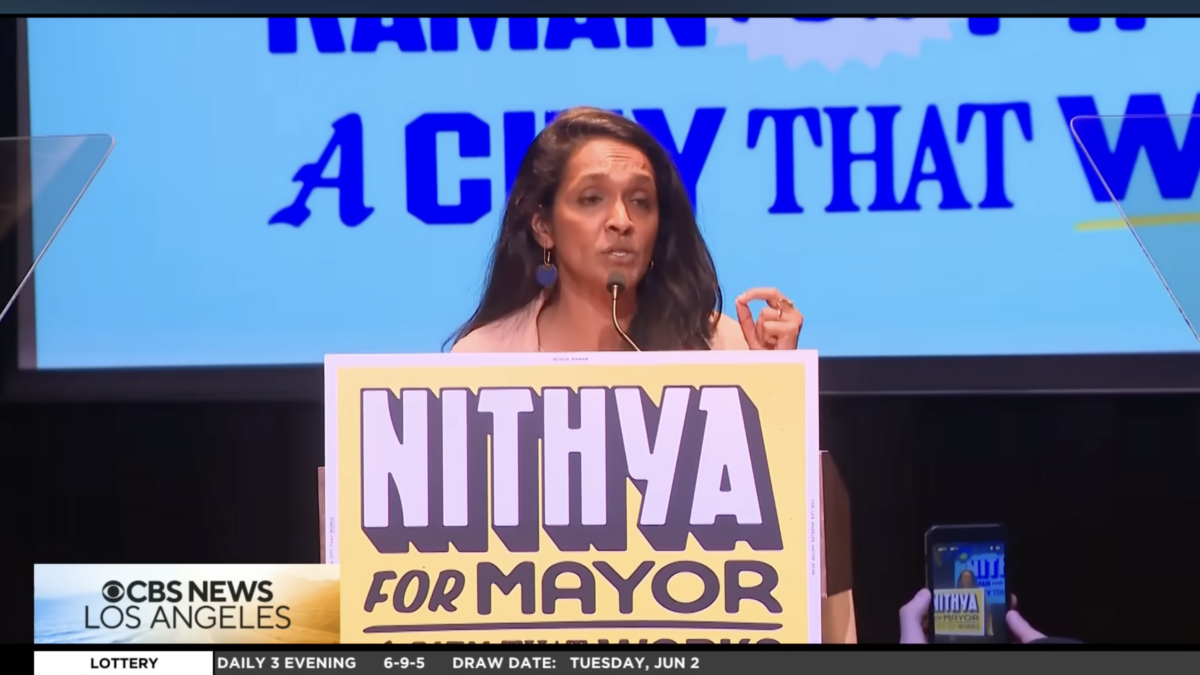
Many Americans went to bed one week ago today presumably thinking Spencer Pratt was headed to the November runoff for Los Angeles mayor. After all, he was leading Socialist City Councilwoman Nithya Raman by thousands of votes on election night. But within a week, The Associated Press has called the race for Raman, after a wave of late-arriving mail-in ballots erased that deficit. Notably, Raman underperformed in her own city council district.
Whether that outcome was surprising or entirely predictable, the race has once again drawn rightful attention to California’s insecure and curious mail-in ballot rules.
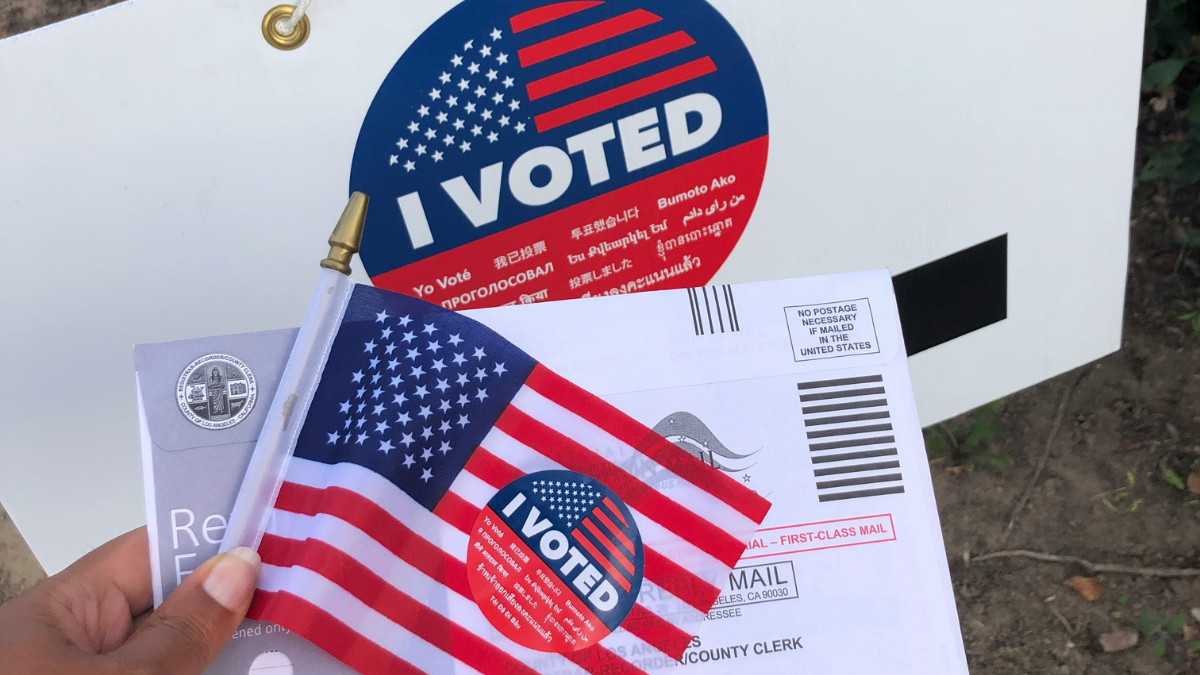
And with the flood of late-arriving mail-in ballots having helped propel Raman into second place, it’s worth looking at one of the state’s more questionable election procedures. According to state election law, a late-arriving mail-in ballot missing a postmark can still be counted so long as it arrives by seven days after Election Day.
“Vote-by-mail ballot is postmarked or date stamped on or before Election Day by a bona fide private mail delivery service and received by the elections official in accordance with Elections Code section 3020,” state law says.
If a vote-by-mail envelop “has no dated postmark, the postmark is illegible, and there is no date stamp for receipt from a bona fide private mail delivery service” the ballot can still be counted if the “voter has dated the vote-by-mail ballot identification envelope or the envelope otherwise indicates that the ballot was excepted on or before Election Day…”
In other words, a late arriving mail-in ballot can be accepted even when election officials have no way of independently verifying when it was actually mailed. Election law expert Hans von Spakovsky, Senior Fellow at public policy organization Advancing American Freedom, confirmed as much to The Federalist’s Matt Kittle on iHeartRadio on Monday.
“If there’s no postmark on it or it’s too blurry to read … the law in CA is ‘We’ll go by whatever date the voter wrote in the envelope,'” Spakovsky told Kittle.
That doesn’t necessarily prove fraud in the mayoral race, but it does leave room for questions and skepticism about California’s election integrity when it chooses to count ballots that lack an objective third-party method of verification for the day they were mailed out on. For example, a voter realistically could cast a ballot the day after the election but handwrite the Election Day date on the envelope since the system relies heavily on self-reporting and trust. If the ballot arrives within the seven-day time frame during which mail-in ballots are accepted, the ballot could count.
As The Federalist’s Sean Davis said on The Megyn Kelly Show when discussing California’s election system, it’s hard to believe that allowing voters to submit ballots missing a verifiable way to assure the ballot was submitted on or before Election Day but still counting those ballots makes for a “credible, secure” election.
“There is only one reason to design an election in this way, and it’s to control the outcome,” Davis continued.