
A recurring theme of public policy — one leftists often ignore — is how people respond to incentives. If the federal government runs programs that give individuals carte blanche to steal, then some unscrupulous actors will exploit those weaknesses to do so.
But those incentives go beyond individuals and also extend to the fight against waste, fraud, and abuse. In many cases, states have taken little action to crack down on fraud and waste within government programs because the federal government provides the bulk of the funding for said programs. If Washington gives states a blank check regardless of whether they crack down on fraud, why shouldn’t those states embrace actions that bring their area more taxpayer dollars, even if those dollars come from illicit activity?
Thankfully, provisions in last year’s budget bill will realign many of those skewed incentives, which should help to change the tide over time. But a recent congressional hearing showed the scope of the problem our nation faces.
Rampant Waste
A recent subcommittee hearing of the House Oversight Committee examined fraud in programs funded by the federal government but run by states. In that hearing, one state official’s testimony quantified the problem and the potential savings from more robust anti-fraud measures.
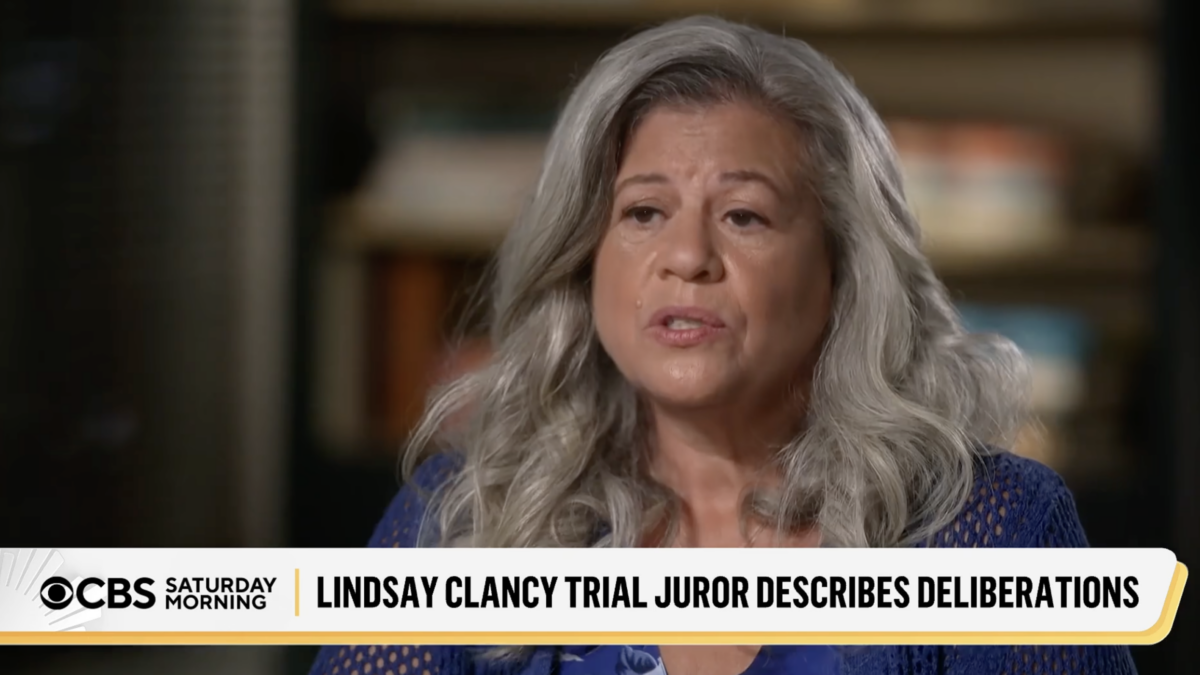
Kentucky Auditor Allison Ball discussed not just some of the outright fraud but also the waste she found within the state’s programs. For starters, one audit “revealed that Kentucky paid $836 million to managed-care organizations for the same Medicaid beneficiaries whose coverage was also being paid for by another state.” That’s just under $1 billion in completely unnecessary spending in one state alone.
But the problems in Kentucky didn’t end there. Ball noted that another series of audits “revealed a plethora of problems that show Kentucky is a target rich environment for waste, fraud, and abuse in the executive branch”:
– dead people remained on Kentucky Medicaid;
– multiple people used the same social security number to obtain Medicaid;
– ineligible noncitizens received Medicaid benefits;
– an executive branch data system housing Kentucky taxpayers’ personal info was hacked in five minutes during a security test; and
– Medicaid funded long-term care facilities in Kentucky were not being inspected every 15 months as required by law. Some had not received an inspection since 2019.
On a positive note, Ball noted that “in just one year, we’ve been able to assist the Commonwealth in dropping its SNAP [Supplemental Nutrition Assistance Program, aka food stamps] payment error rate from 9.1% to 3.5%.” But the rapid drop raises an obvious question: If Kentucky could reduce its error rate by nearly two-thirds within a single year, why on Earth didn’t it do so far sooner?
Help Is on the Way
The answer to the obvious question is equally as obvious and infuriating. With Washington paying most of the tab, states had little incentive to crack down on fraud in federally funded programs, so many didn’t. Fortunately for taxpayers, last year’s budget reconciliation bill changed these dynamics on multiple fronts, such that many of the problems outlined in Ball’s testimony may finally start to come under control:
Dead Beneficiaries: Beginning in January, the law requires states to check the Social Security Death Master File quarterly to determine whether a beneficiary is deceased. Similar checks for providers start in January 2028.
Duplicate Enrollment: Beginning in January 2027, the law requires state Medicaid programs to obtain beneficiary addresses, and beginning in October 2029, it requires the Department of Health and Human Services to develop and implement a system for checking beneficiary names and addresses every month to prevent simultaneous, duplicate enrollments. The Congressional Budget Office concluded that this provision alone would save $17.4 billion over 10 years.
While this provision will not come fully into effect for about three more years, the Trump administration has already taken action to reduce duplicate enrollments in Medicaid and the Exchanges, based in part on a Wall Street Journal investigation last March that found some people were enrolled in Medicaid in five-plus states at once.
Noncitizens: The law takes several actions in this area by 1) requiring Medicaid eligibility determinations every six months; 2) reducing the federal Medicaid match for emergency Medicaid assistance provided to “an alien who is not lawfully admitted for permanent residence”; and 3) limiting eligibility for Medicaid (along with Exchange subsidies and Medicare) to citizens, lawful permanent residents, Cuban and Haitian entrants, or members of the Compact of Free Association.
Error Rates: Beginning in October 2027, the law requires states with a SNAP error rate of 6 percent or more to contribute at least 5 percent of the cost of SNAP benefits in their state. States with an error rate of 10 percent or more will have to pay 15 percent of their state’s food stamp benefits.
Dose of Common Sense
With the federal government running massive deficits, it seems slightly absurd that it took $39 trillion in debt for Washington to figure out that paying for one individual to receive Medicaid coverage in multiple states wastes taxpayer money. But, at long last, common sense prevailed. Here’s hoping these changed incentives will encourage states to get off the dime and take more aggressive actions to police the waste, fraud, and abuse they find within their midst.