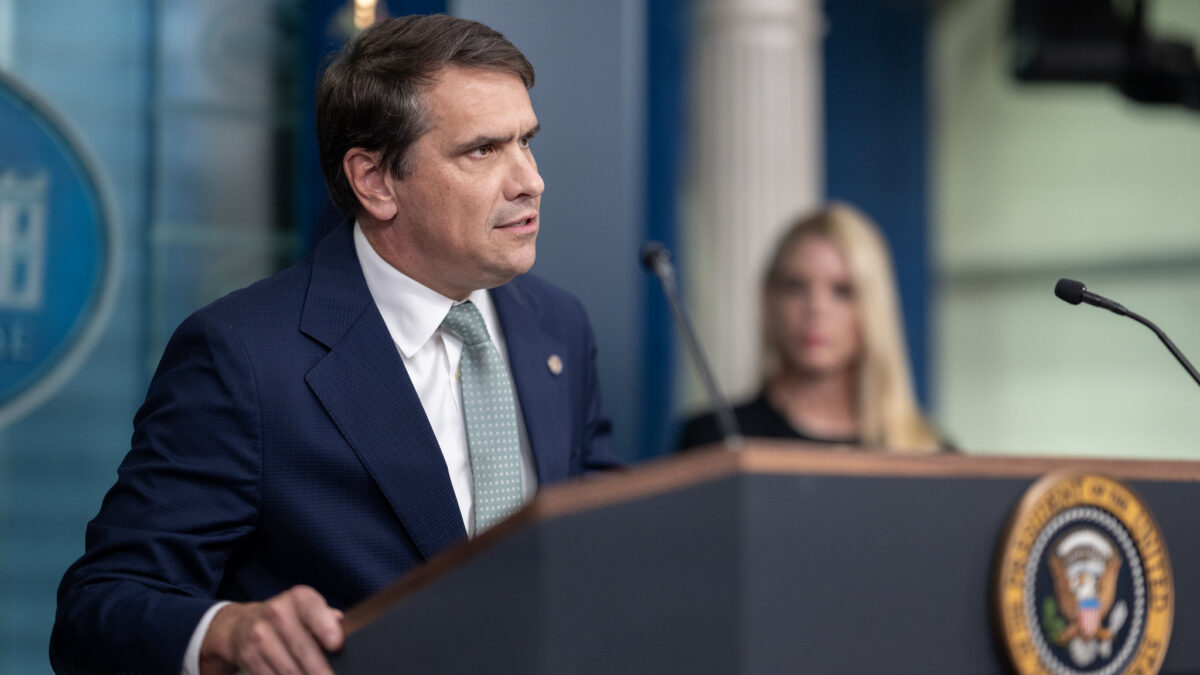

Vice President J.D. Vance this week said he understands the Iran war is unpopular with many Trump supporters, particularly the young ones, but urged them not to become so dissatisfied with that issue that they disengage entirely.
“I recognize that a lot of young voters don’t love the policy that we have in the Middle East. Okay, I understand that,” Vance said at a Turning Point USA event at the University of Georgia. “I also know that we’ve secured the border. We’ve lowered housing prices now for eight months in a row, and there’s going to be more to come beyond that. We’ve made America energy dominant, which has lowered electricity costs and things like that. We’ve made it so that we have the lowest murder rate in a 127 years.”
“I’m not saying you have to agree with me on every issue,” Vance continued. “What I’m saying is, don’t get disengaged because you disagree with the administration on one topic. Get more involved.”
Vance’s acknowledgement that the war is unpopular with many in Trump’s voter base appears to be a step toward pivoting focus back to domestic issues in order to make the Republican case for retaining Congress in the midterms.
The Trump administration has been saying that the Iran war is winding down. Last week there was a ceasefire, and White House Press Secretary Karoline Leavitt issued a message of victory. Then Israel attacked Lebanon, which set back the hours-old ceasefire. Vance negotiated for hours with the Iranians in Pakistan, but said they would not accept American red lines. And now, an Iranian blockade in the Strait of Hormuz has been met by an American blockade of the Iranian blockade.
Winding down any war could turn complex, and the Trump administration says that its goals of keeping Iran from obtaining a nuclear weapon, destroying its ballistic missile stockpile, and destroying its capability to manufacture ballistic missiles have all been accomplished.
Meanwhile, a blockade enforced by the military is not the same as bombing raids throughout a country, which will be immediately more tenable to a skeptical Trump base. And while a blockade could raise gas prices, it actually has the possibility of securing two more wins for the Trump administration: more people generally will be buying American energy as Iranian energy is constricted, and it backs China into a corner to become reliant on American energy as well.
As Treasury Secretary Scott Bessent said, China has been hoarding Iranian oil, purchasing about 90 percent of it (about eight percent of China’s yearly oil purchases). With the blockade, Bessent said, “So they’re not going to be able to get their oil. They can get oil. Not Iranian oil.”
The challenge now is how Trump will be able to wrap this conflict up, mindful of the four-to-six-week timeline he put on it, and turn back home to a fully domestic focus. That need to attend to domestic issues was raised by some of his most trusted advisers in a meeting before striking Iran, according to recent reporting from the New York Times.
It seems clear that Trump took those concerns into account but still felt the American interests at play in Iran outweighed the risks, and that an attack on Iran was in keeping with his “America First” agenda. Now, as Trump declares his initial objectives in Iran have been met, those concerns provide a helpful framework for rebuilding domestic momentum.
The effects on domestic policy were a significant part of the conversation leading up to the conflict in Iran, The New York Times reported. White House Communications Director Steven Cheung feared the war would frustrate voters won over by campaign promises about no new wars, and undermine months of messaging about the complete success of summer strikes on Iranian nuclear facilities.
White House Chief of Staff Susie Wiles reportedly raised concerns about the effects of another Middle East quagmire on domestic issues, like skyrocketing gas prices, during midterm elections. If those persisted, and Democrats took either chamber in Congress, Trump’s last two years in office would be defined by congressional investigations, subpoenas, and impeachments, rather than America First accomplishments. Vice President J.D. Vance reportedly warned a war in Iran could be “a huge distraction of resources” from other MAGA priorities, a concern echoed by many Iran war skeptics.
Whatever the Times’ intention in revealing them, those concerns should be seen less as evidence of White House division and more as helpful guidance as the Trump administration navigates from the Iran operation back to domestic priorities.
The four-to-six-week timeline put on the war by the Trump administration allowed for it to be coming to a close before it started affecting the midterms, but whatever the status of the war, Republicans need momentum heading into November.
According to the RealClear average of polls, Trump’s overall approval rating is underwater by over 14 percentage points, with approval at 41.7 percent and disapproval at 56.3 percent.
His rating is also underwater on specific issues like handling of the economy (-22.4), inflation (-31.2), immigration (-8.8), and crime (-4.2). The generic ballot for Congress shows Democrats with a 5.4 percentage point advantage.
That Democrat advantage is far from insurmountable. But already, recent elections in Georgia and Wisconsin show Democrats widening their voter share, winning elections, and flipping seats. In Virginia, Democrats are well on their way to forcibly removing four Republican Members of Congress through a mass-gerrymandering effort — though the outcome of the election is not inevitable.
It would be a crushing blow to the MAGA base, and Republican retention of Congress, if the emphasis is not placed solely on issues Americans actually care about, as opposed to an unpopular Iran war (-13.5).
On Friday, Trump dispatched Deputy Chief of Staff James Blair to take a “leave of absence” to help Republicans win the midterms.
The biggest first-order win the Trump administration could deliver the American people before the midterms would be lowering gas prices substantially, even if it means flooding the zone with American energy. It will be the most immediate and tangible difference felt by the American people, and will also signal to them that the Iran War really is winding down.
The Trump administration needs to spend quite a bit of political capital on multiple fronts in Congress, pressuring Republicans to get in line with a winning message going into the midterms.
Rep. Maria Elvira Salazar, R-Fla., and numerous other Republicans introduced the DIGNIDAD Act (that’s “dignity” in Spanish), which is a mass amnesty operation to bestow legal status upon millions of illegal aliens in the United States.
It is the opposite of what Trump ran on as a signature policy initiative, and at a time when the Trump administration needs to reclaim the narrative on immigration and mass deportations, it is one of the least helpful things Republicans could possibly focus on.
Trump voters in 2024 sent a clear message that immigration — namely, closing the border and mass deportations — was a top priority. Another top priority, as always, is the economy.
The Trump administration can focus on showing the American people how the two are interconnected and turn some of his first-time 2024 voters into long-term coalition partners.
Trump has largely met that mandate by substantially reducing border crossings, refugee and asylum claims, and H-1B and other visa admissions. Net migration to the United States is negative for the first time in memory.
He has also taken up the critical task of challenging the perception that the 14th Amendment’s “birthright citizenship” clause does not mean any person who happens to be born on U.S. soil is automatically a citizen.
The White House has faced a vicious propaganda operations from the media and other Democrats, who use lies and deception to create the appearance of mass opposition to deportations, despite Americans’ support for them in 2024. To combat it, the White House might remind voters of the downstream effects of mass immigration they found so noxious under the Biden administration.
Addressing violent crime is one area the administration likes to focus on, and they should, as illegal aliens are consistently slaughtering Americans and being set free to do it again.
Trump already knows this, as he said in November, “This refugee burden is the leading cause of social dysfunction in America, something that did not exist after World War II (Failed schools, high crime, urban decay, overcrowded hospitals, housing shortages, and large deficits, etc.),” adding, “Only REVERSE MIGRATION can fully cure this situation.”
But Americans should be consistently given concrete examples to back up the truth in Trump’s statement.
For example, connecting illegal immigration to things that matter most like the job market and the long-term decline of wages and jobs for American citizens.
Housing prices is another major concern of Americans, many of whom are wondering how they will ever be able to afford a house (and by extension, raise a family). Right now, the average age of a first-time homebuyer is 40, which is the highest it has ever been.
The U.S. is facing a shortage of 10 million single-family homes, according to a recent report by the White House. The administration’s focus on housing access for young families has been met with appreciation, while some observers note a 10 million-house shortage is another way to describe a need for 10 million more deportations.
Deportations would also help alleviate many Americans’ perception of transition from a high trust society to a low-trust one through cultural degradation like language barriers at the grocery store, limiting foreigners at national parks, stopping Muslim calls to prayer in major American cities and Muslim prayer sessions at public schools, and prosecuting scam artistry and fraud costing actual American billions.
That is why securing wins from Vance’s fraud task force, and being extremely public about exactly who is committing the fraud and where they come from, would do a lot to help Americans make the cultural connection.
Another major win that requires pressure on Congress would be passing the SAVE America Act, which is wildly popular and would require photo ID to vote and proof of citizenship to register to vote.
Right now, Republicans in the Senate are fumbling its passage, with some trying to fight it.
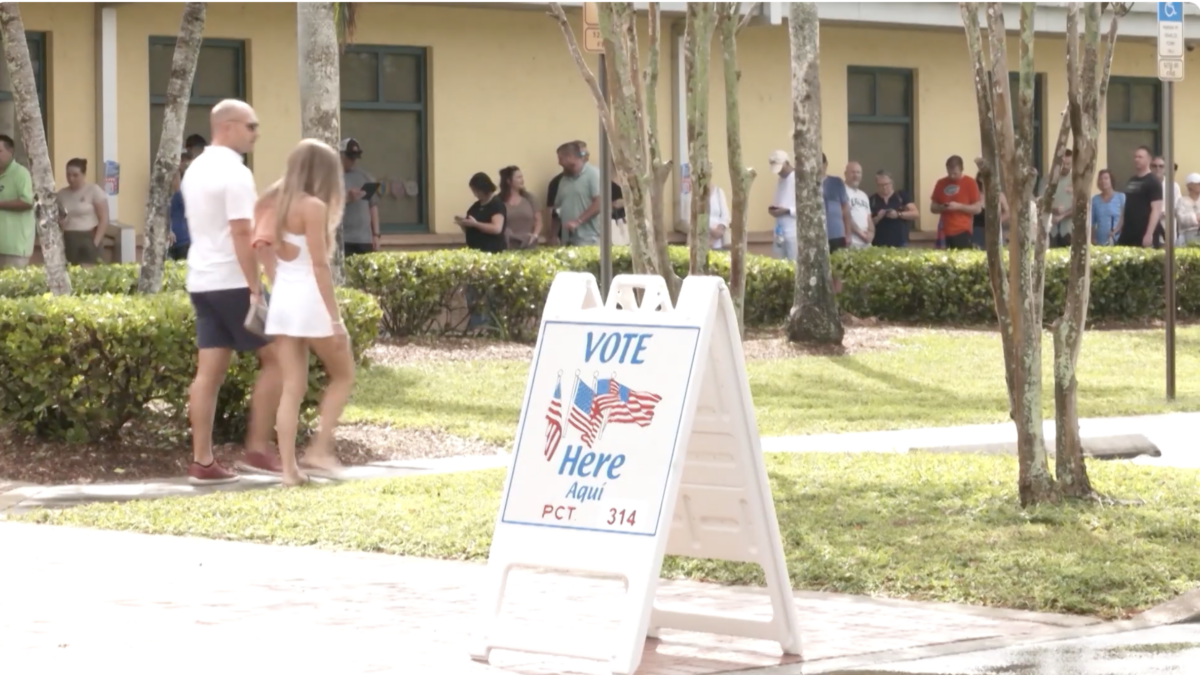
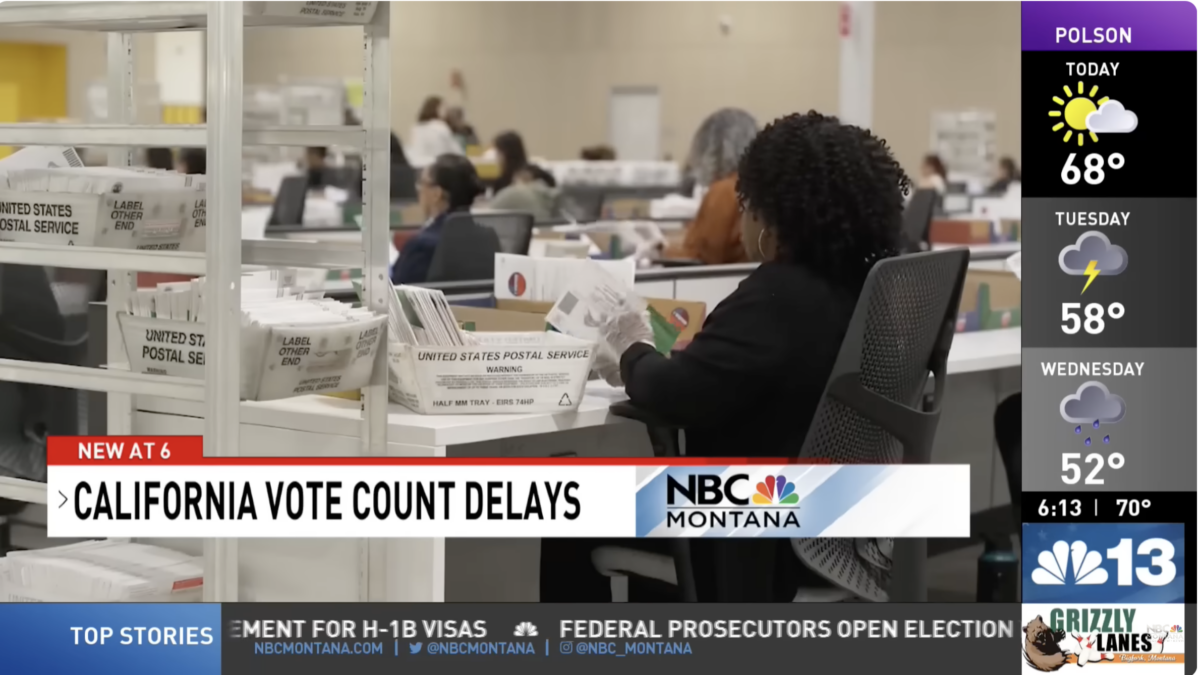
Aside from how fundamental protecting American elections is, the restoration of faith of the American people in the election process, which is extremely low, could motivate Americans to go to the polls, knowing their vote will actually matter.