
I worked in the House of Representatives for three members of Congress. In that time, I watched staffers go above and beyond to obtain the security clearances needed to receive classified information on behalf of their bosses. Their bosses never have to wait at all.
Members of Congress do not hold security clearances. They never fill out a Questionnaire for National Security Positions, also known as the SF-86. They never sit for a polygraph with the FBI or other intelligence agencies.
Outside the campaign trail, no one ever asks who they’re affiliated with or who they answer to. After taking the oath of office, they can walk into a Sensitive Compartmented Information Facility (SCIF), sit through a briefing on threats to the United States, and question the Department of War on the state of our munitions stockpile. Election Day is the only background check they ever get.
The reality of DSA- and Muslim Brotherhood-affiliated potential members makes this a real concern, especially in some districts where winning the primary is winning the seat. Come January, they won’t need a clearance to sit in the SCIF. They’ll just need a certificate of election.
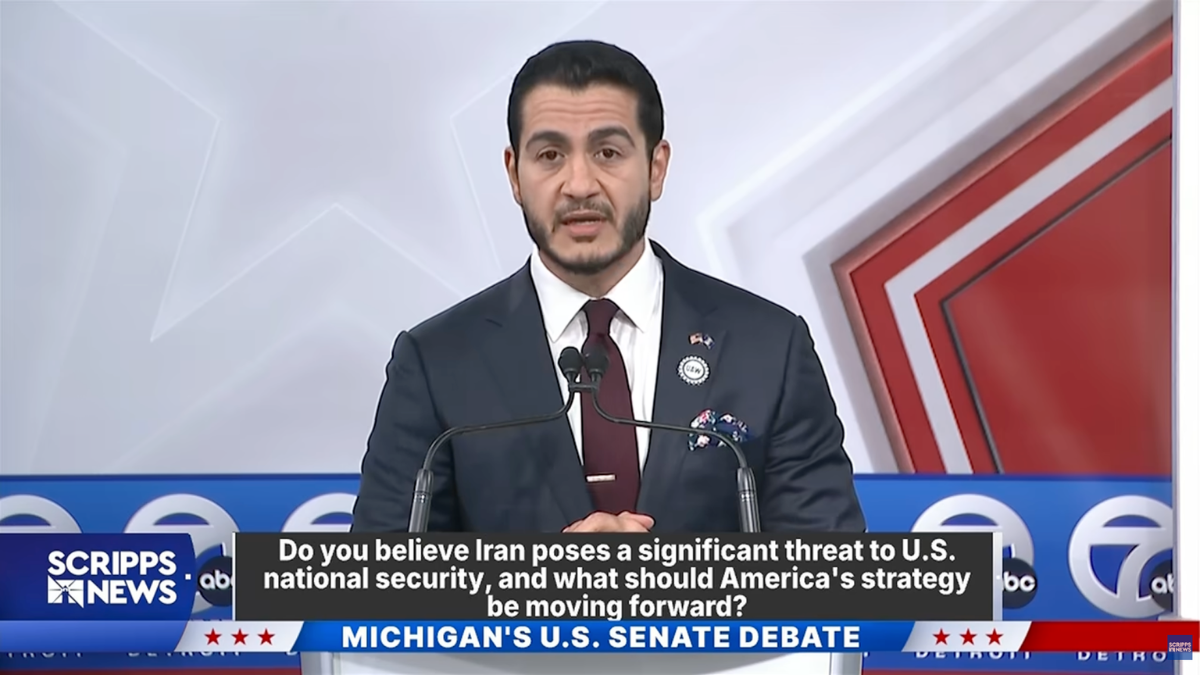
Take Abdul El-Sayed, the Democrat nominee for Senate in Michigan. If he is elected, he won’t fill out an SF-86 or sit for a polygraph. Unlike House members, senators aren’t required to sign a chamber-wide secrecy oath. Yet El-Sayed has repeatedly declined to condemn the Muslim Brotherhood and has refused to dissociate from individuals tied to the Council on American-Islamic Relations (CAIR). He has also repeatedly called himself a physician despite records showing he never held a medical license in Michigan or New York.
President Donald Trump is asking the same questions about Abdul El-Sayed. At a rally in Michigan, President Trump said: “Anyone with that record of support for jihadists would be screened and unable to get a seat on an airplane. … If Abdul gets to the Senate, he would have access to our nation’s most closely guarded national security secrets, and his vote would wield power over our military, our borders, our homeland security and much more than that.”
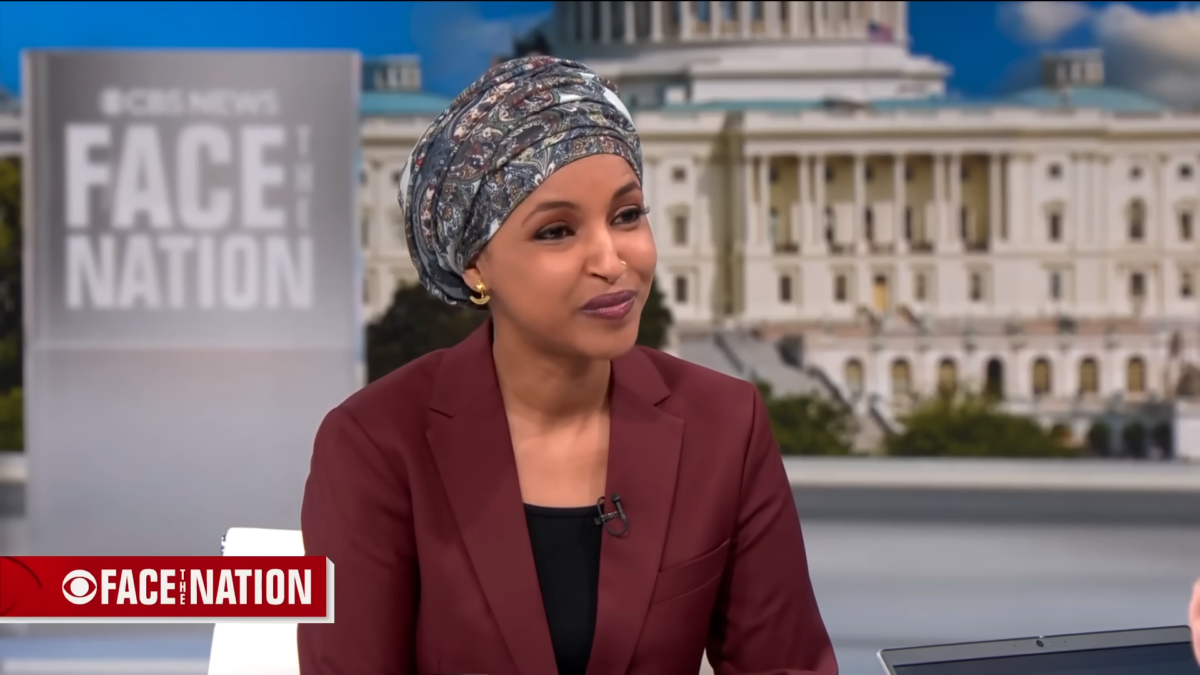
The more glaring concern is incumbent members like Ilhan Omar. Omar has served in Congress since 2019, with the same access to classified briefings as every other member. She has headlined CAIR fundraisers. Today she is the subject of a federal criminal investigation into alleged immigration fraud, centered on her birth date and citizenship papers, and a second investigation into her financial disclosures. No staffer under federal investigation over how he obtained citizenship would keep a security clearance. Meanwhile, Ilhan Omar keeps her seat in the SCIF.
Then there’s Darializa Avila Chevalier, the DSA-backed nominee in New York’s 13th District, a seat that has never been filled by a Republican. Her deleted social media history includes favorable references to communist leaders, support for abolishing police, prisons, and borders, as well as seizing private property. In 2019, she bragged that she wiped her hands on the American flag because she forgot napkins. In January, she’ll have access to the same briefings as every other member, without a single question asked.
How can we trust a member of Congress aligned with America’s adversaries to keep classified information secure, and not hand it to the very movements and regimes that threaten this country?
The executive branch runs its employees through DCSA (Defense Counterintelligence and Security Agency) and FBI background investigations. Even a federal judge gets an FBI background check before confirmation. A member of Congress gets a certificate of election.
This is not a partisan question. It is one every American should ask of their representatives, not just at the ballot box, but in office. As a body whose primary duty is to debate legislation, Congress should also debate whether representatives with such ties have the standing to take the oath of office, not only to be trusted with classified information, but also to bear the simple responsibility of serving their constituents.
A policy brief released by the Center for Renewing America gives lawmakers a pathway to use Article VI of the Constitution to raise this question. Article VI states that elected officials must be “bound by Oath or Affirmation, to support this Constitution,” meaning that elected officials must have full allegiance to defending our Constitution against all enemies, foreign and domestic. Whether Mike Johnson or Hakeem Jeffries holds the gavel in January, these reforms belong in the next House rules package, and the Senate should follow.
The only check on the loyalty of those whose names appear in gold plate on the door is their oath to the Constitution. Those who cannot take that oath in good faith ought not to be seated by Congress.