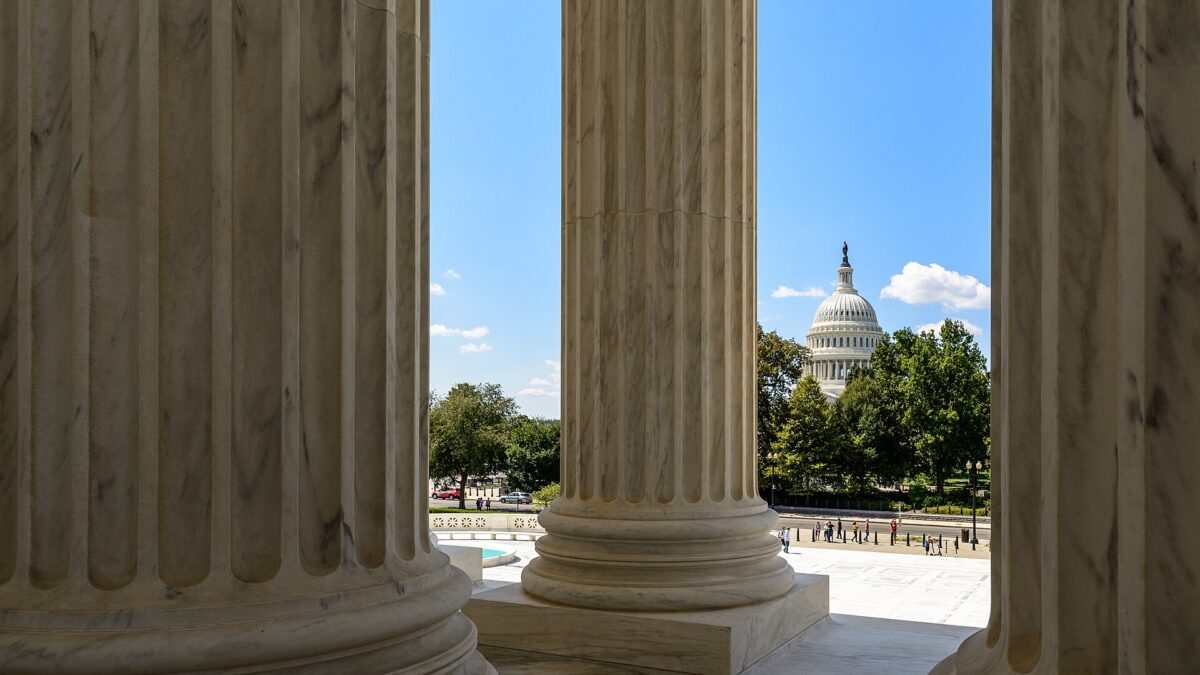

SUPREME COURT OF THE UNITED STATES — The U.S. Supreme Court kicked off its 2026 term on Monday with a major case involving the left’s climate lawfare against fossil fuel producers.
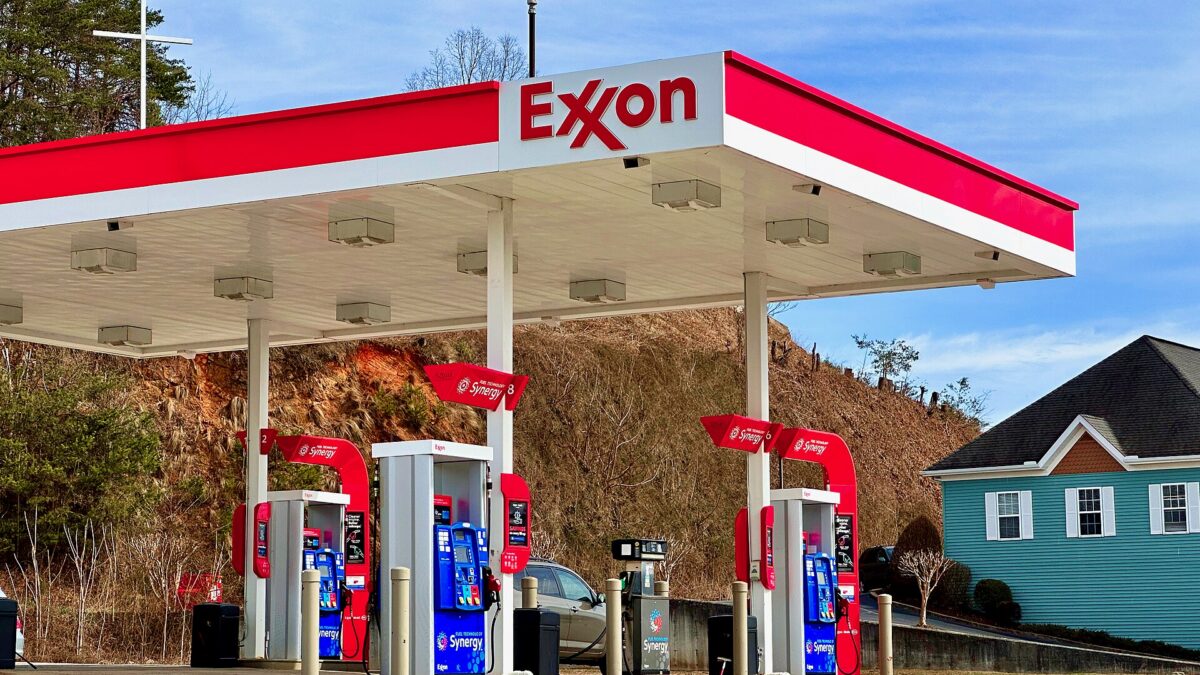
The justices heard arguments in Suncor v. Boulder, which deals with the lawsuit Boulder, Colorado, brought against Suncor Energy companies and the Exxon Mobil Corporation. The locality is seeking monetary damages based on claims that the oil giants’ activities are contributing to “climate change” and that such a phenomenon is harming Boulder residents.
Suncor attorney Kannon Shanmugam argued that the Constitution prevents “the application of state law to certain inherently federal areas” and that federal — not state — law “governs interstate pollution claims.” He additionally contended that the Constitution’s “prohibition on extraterritorial regulation precludes a state from extending its law beyond its borders to regulate global conduct with global effects” and that the federal Clean Air Act (CAA) “preempts any effort by one state to impose its law on emissions originating in others.”
“If Boulder’s claims are allowed to go forward, some 90,000 municipalities across the country will have the ability to make national and international energy policy by asking juries to impose catastrophic damages on selected fossil-fuel producers. Put simply, that is not the constitutional scheme that the founders adopted,” Shanmugam said.
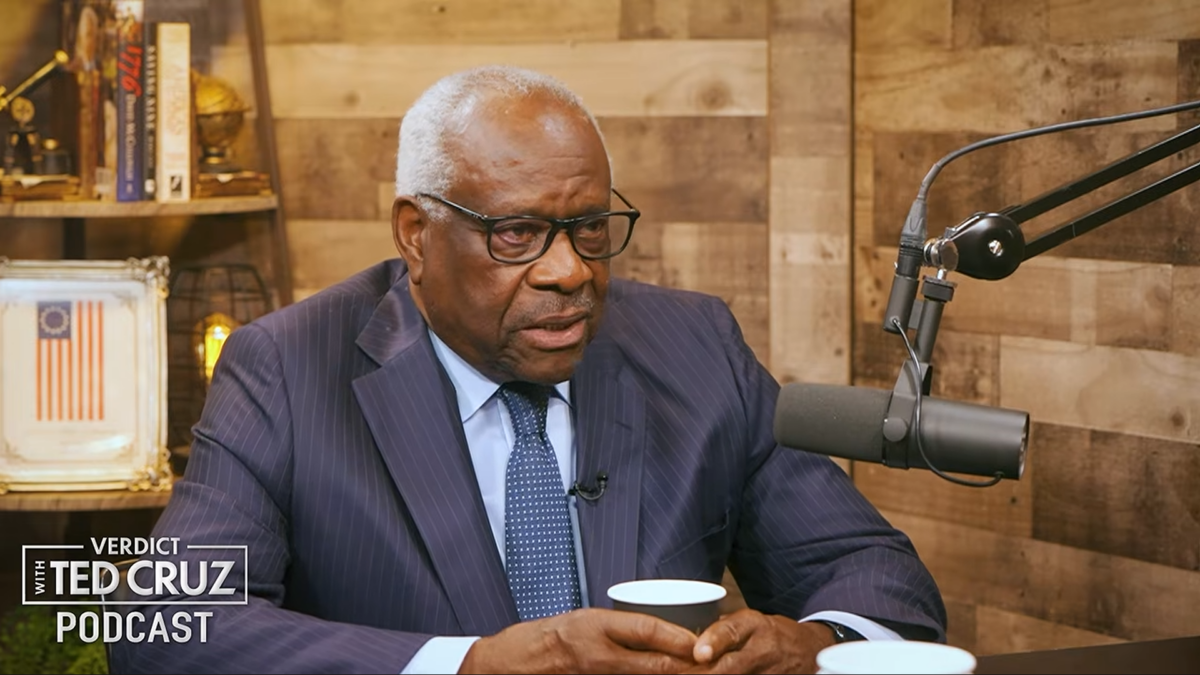
Following a question from Justice Clarence Thomas on whether SCOTUS has jurisdiction to hear the case, Chief Justice John Roberts asked Shanmugam whether he believes that there are “some situations” in which a person who engages in conduct in one state that’s harmful to someone in another state can be sued under the latter’s laws. Shanmugam replied that there are but said that this case “goes further than any of those [types of] cases.”
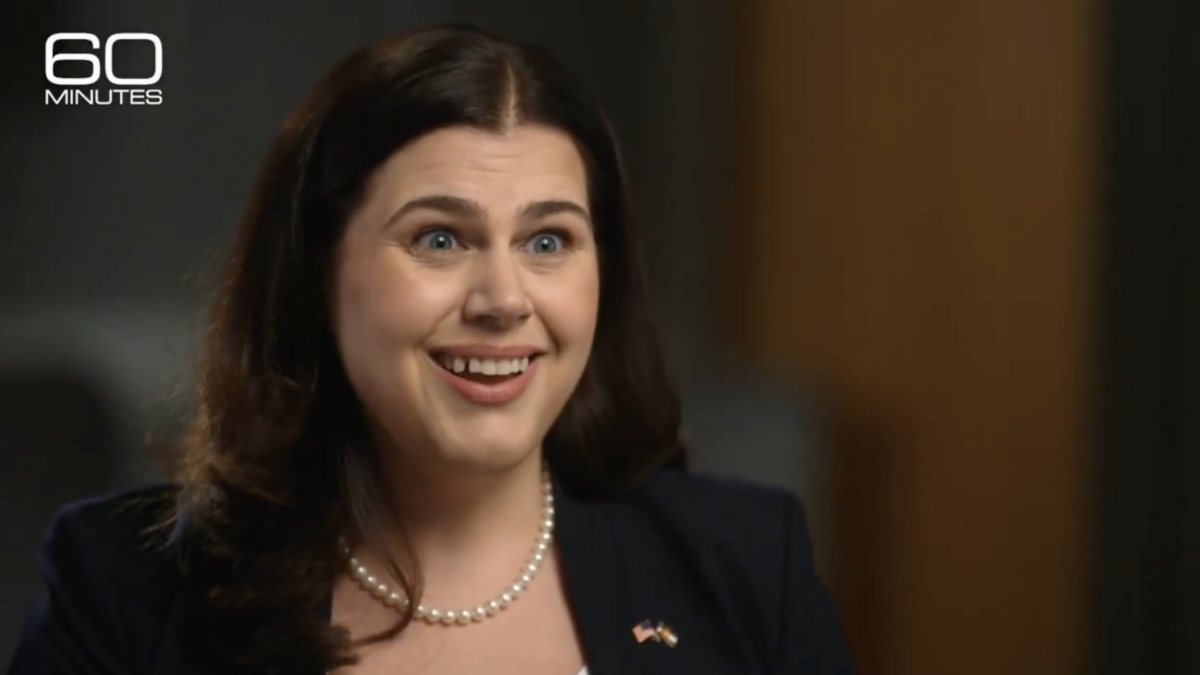
The chief justice later pressed U.S. Principal Deputy Solicitor General Sarah Harris, who argued in support of Suncor, on what makes the Suncor case different from “a lot of familiar situations where conduct outside of the state has broad effects among other states and all that, and yet we allow state courts in a particular state to bring litigation that affects that.”
In her line of questioning, Justice Elena Kagan told Shanmugam that, in her view, one thing complicating the case is that he “keep[s] switching back and forth between [his] two theories” about which level of government controls air and water regulation and the “broad principles of … who can do what extraterritorially with respect to any subject.” In arguing that he fell back on the former when pressed on the latter, she asked Shanmugam whether it’s the case that his “extraterritorial theory cannot stand alone.”
“Like my children, I love both of our theories equally, Justice Kagan,” Shanmugam said, to which Kagan replied, “If that’s true … then you can’t answer questions about the extraterritorial theory by referring to the nature of air and water regulation.”
Meanwhile, Justice Ketanji Brown Jackson signaled her belief that the case is too premature for SCOTUS to take up and rule on at this time.
Justice Brett Kavanaugh, on the other hand, did not hide his apparent belief that federal law and the Supreme Court’s existing precedents preempt Boulder’s state-based climate suit. Speaking to Shanmugam, he said that past SCOTUS decisions “make crystal clear that interstate air and water pollution are matters for federal law unless Congress specifically preserves state law.”
“That is through and through those four cases,” Kavanaugh said. “We don’t have to reinvent the wheel because we’ve said this multiple times, and Congress presumably, when doing the Clean Air Act and doing the Clean Air Act amendments, has relied on this court’s precedents establishing that this kind of pollution is a federal law matter unless Congress speaks otherwise.”
Justice Amy Coney Barrett also pressed Suncor’s lawyer on the state-federal dispute at issue in the case.
On the flip side, Boulder attorney Kevin Russell faced pushback from several of the justices on the far-reaching consequences of the locality’s lawsuit.
Thomas probed Russell on whether there is a “limiting principle [as] to whom” Boulder and other localities could sue if SCOTUS were to rule in the county’s favor. In doing so, the senior justice got Russell to effectively concede that there is none under his theory.
“So, you could just as easily sue large retailers of these products?” Thomas asked, to which Russell replied, “I think nothing in the Constitution would prevent that.”
“But nothing in your theory prevents that either, right?” Thomas asked.
“Nothing in our theory prevents that. … When lots of people act together to cause widespread harm, it is not uncommon for multiple different defendants to be liable,” Russell said.
[READ: Supreme Court’s Suncor Case Is ‘Bigger’ Than A ‘Climate’ Policy Dispute]
The troubling expansiveness of Boulder’s theory is also a point Roberts picked up on in his exchange with Russell. The chief justice theorized that, should SCOTUS side with Boulder, there would be a bevy of lawsuits against fossil fuel companies mimicking the locality’s claims. In pressing Russell on the “practical” implications of that, he further observed that “there’s always going to be greenhouse gas emissions affecting every state” and that “it is not as if anything other than your litigation is going to address it.”
Justice Neil Gorsuch also later probed Russell on whether there is “anything anomalous … to applying state law … to worldwide conduct.”
Meanwhile, Kavanaugh reemphasized his apparent belief that regulation of interstate air and water pollution is a matter of federal law and again noted the Supreme Court’s “wall of precedent” seemingly barring Boulder’s state tort claims. He further pressed Russell on his nonsensical response to questioning from Barrett that Colorado has the authority to pursue such state-based climate suits but can’t pass a law that attempts to accomplish similar objectives.
“So why is the state tort suit different than the state law? I’m just not understanding that,” Kavanaugh said.
A familiar face missing from Monday’s arguments was Justice Samuel Alito, who announced his recusal from the case last week. The justice did not provide a reason for the decision, although some theorize it’s related to his investments in fossil fuel entities not involved in the Suncor case.
A decision in Suncor v. Boulder is not expected until later in the court’s 2026 term.