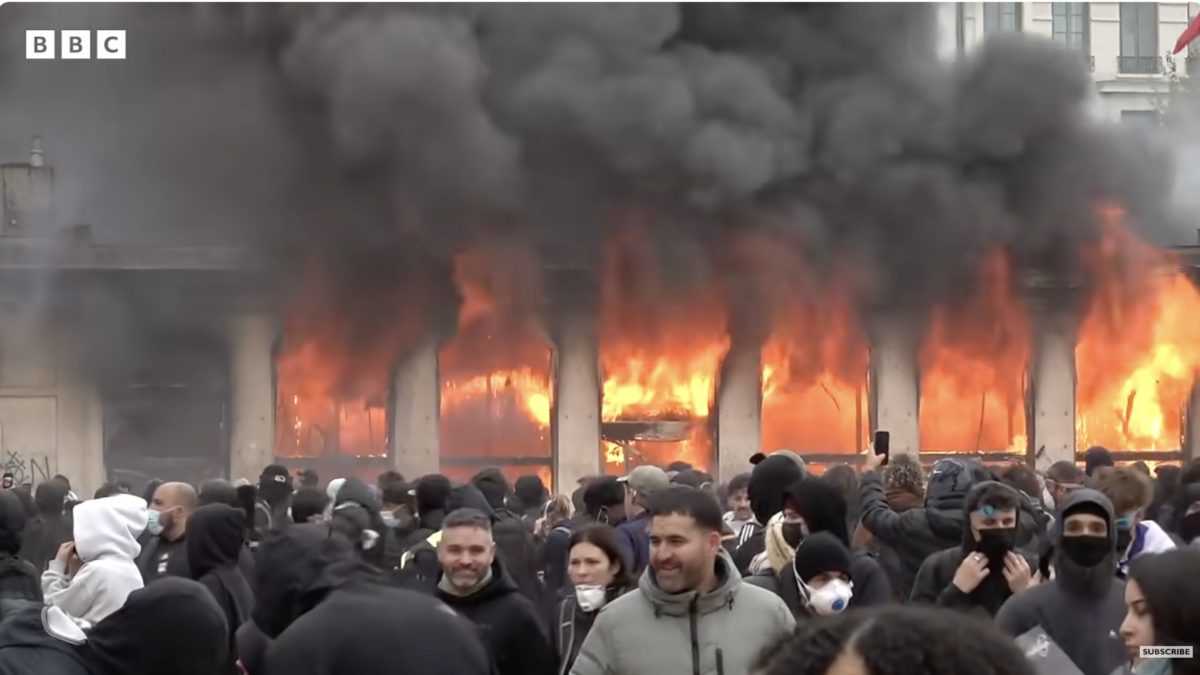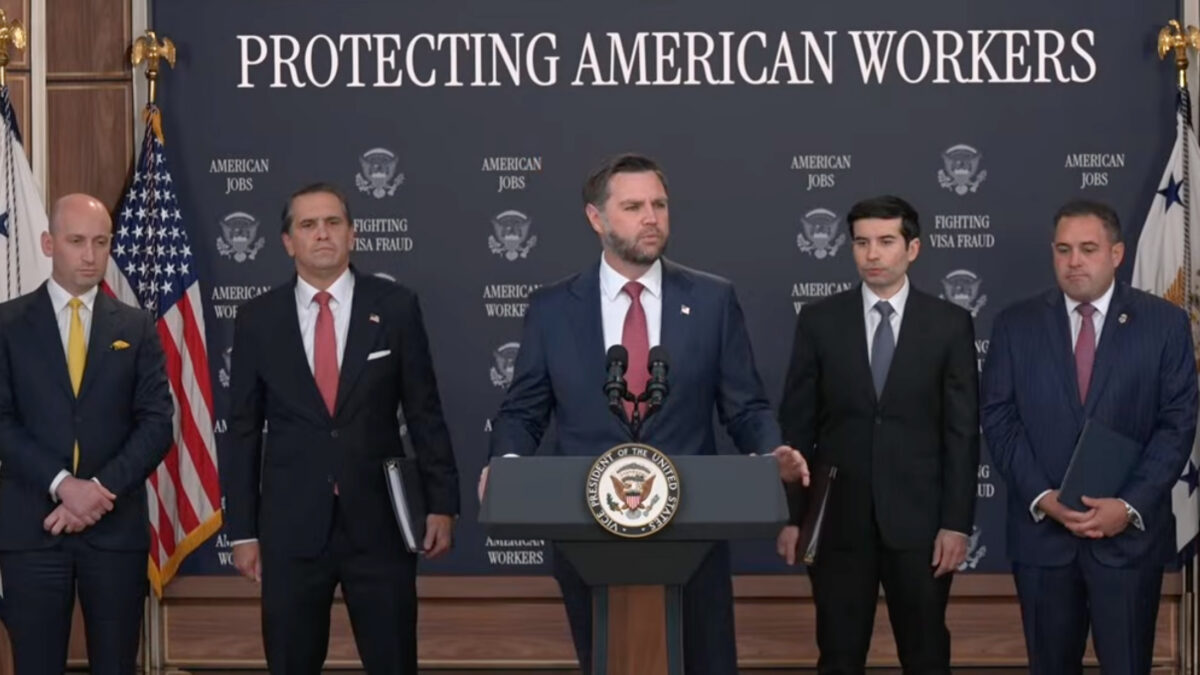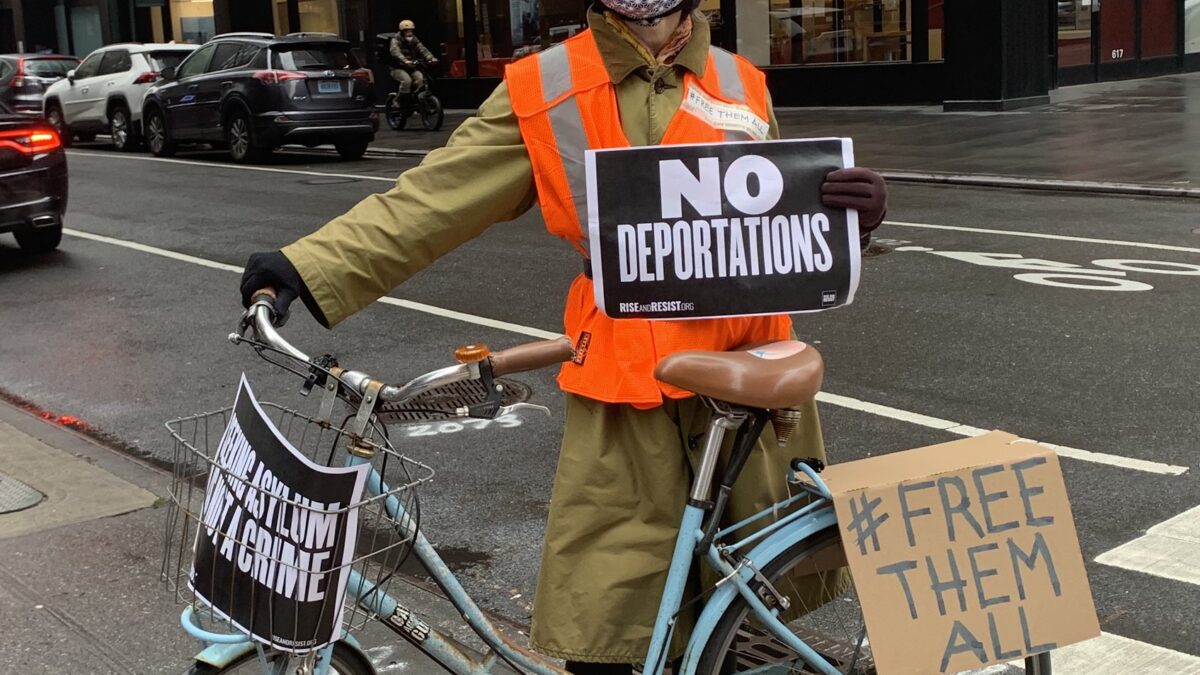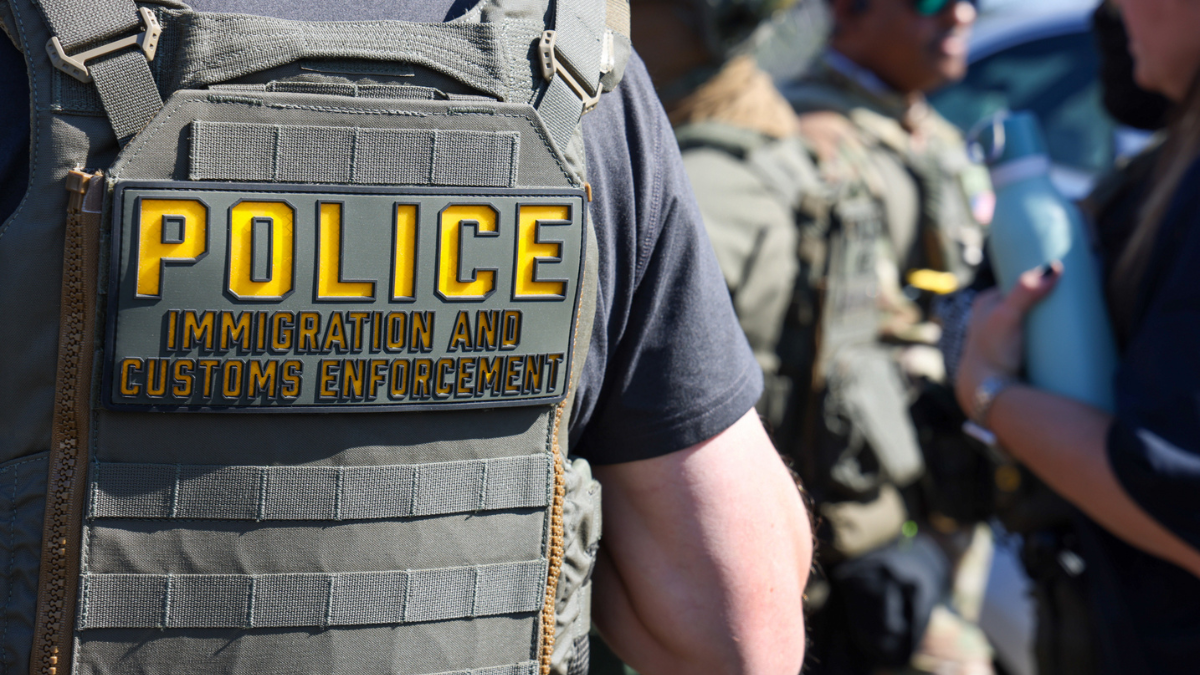

In a state where nearly 80 percent of voters are registered as Republicans, the enforcement of immigration laws has become a central controversy over the choice of a county sheriff. The argument is happening in the blue island of Teton County, Wyoming, where a county commissioner said this week that the local presence of ICE agents reminds him of his childhood “in the Jim Crow South.” Among the people running for sheriff there is an independent candidate who volunteers as an anti-ICE activist, promising to keep ICE out of the county if he wins the election.
A Wyoming law passed last year bans sanctuary jurisdictions and forbids local officials from refusing to cooperate with federal immigration officials, and Teton County does the minimum: It honors 48-hour jail hold requests from ICE, keeping illegal immigrants arrested for other crimes in custody so federal law enforcement can pick them up.
But county officials have demonstrated their lack of enthusiasm for immigration enforcement with gestures that stop short of direct interference, as when ICE agents from the Casper office visited the county last year to serve arrest warrants. With ICE personnel actively making arrests, the local newspaper contacted Sheriff Matt Carr, who confirmed to the paper that ICE was in town, passing on the notice he’d received from ICE as a courtesy between law enforcement agencies:
Immigration enforcement officials are in Jackson today, Friday, attempting to execute 17 warrants on specific people in Teton County.
That’s according to Teton County Sheriff Matt Carr, who spoke with the News&Guide before noon Friday. At that time, Carr said that U.S. Immigration and Customs Enforcement, the agency tasked with enforcing federal immigration law, is still in the community. Neither the sheriff’s office nor the Jackson Police Department are assisting with the federal mission.
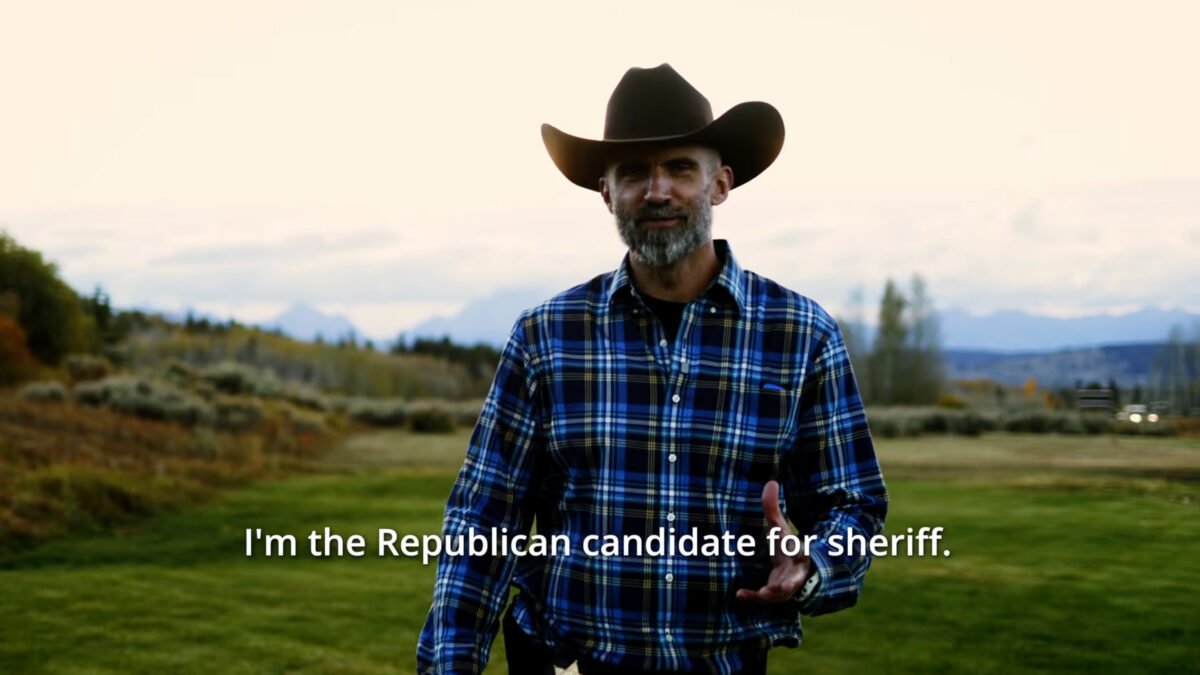
Carr, a Democrat, is running for reelection. His Republican opponent in the November general election is a deputy in the same department, Eric Snow.
In a conversation with The Federalist this week, Snow described his own experience responding to crimes committed by illegal immigrants, including domestic violence calls and serious traffic accidents with injuries caused by drivers who don’t have a license.
“We’re not out there looking for illegal immigrants,” he says, but he’s seen people taken to the hospital because they were hurt by criminals who shouldn’t have been in the country. There’s considerable sentiment in Teton County against the enforcement of immigration laws, Snow told The Federalist, but “if the public could see that, they might have a different opinion.”
Carr’s communication with the local newspaper suggests a point of divergence between the current sheriff and the deputy who’s running to replace him. “I would not tip off the paper if ICE or any other law enforcement agency was in town,” Snow says.
Snow regards the high-profile independent campaign of anti-ICE activist Chris Glenn as a clear sign of public sentiment, but he also sees the limits of an argument that mostly shows up in Jackson. In the rural portion of the county, he says, there are fewer newcomers, and the old school Teton County residents “very much support ICE.”
The argument over ICE isn’t the whole campaign. Snow also opposes the use of Flock cameras in the county, and he wants the sheriff’s department to take a more active role alongside the Wyoming Highway Patrol in preventing accidents through the frequently dangerous Teton Pass. But the enforcement of immigration laws is the marquee topic in the race.
“We are a law enforcement organization,” Snow says, and the sheriff should enforce the law. If ICE tells local law enforcement that there are people in the county illegally who may be a danger to the community, the sheriff should help. “I think there’s an opportunity to work with ICE when there are high-value targets in the community,” he says, in forms of cooperation that stop short of doing ICE’s work for them.
As sheriff, Snow says, he wouldn’t sign a 287(g) agreement with ICE on the “task force model,” giving local deputies directly delegated federal authority to enforce immigration laws. But he would sign a more limited agreement that would improve cooperation with ICE over illegal immigrants arrested for other crimes and held in the county jail.
Finally, Snow calls attention to the fact that the enforcement of immigration laws is drawing aggressive opposition in a deep red state. The conservative Freedom Caucus in the state legislature also faced what one Wyoming news source called a “near-total massacre” in the Republican primaries this year. While the cause of that wipeout is debated, the loss is still a sign that a deeply conservative state is becoming less conservative.
“Wyoming is sort of the canary in the coal mine for conservatism in the U.S.,” Snow argues. “It should be a wake-up call for the rest of the country.”
Update:
This story incorrectly reported that Teton County Sheriff Matt Carr called the Jackson Hole News & Guide to tell them that ICE was present in the county. This week, an editor at the News & Guide contacted The Federalist to say that the newspaper called the sheriff, not the other way around.
Details of those discussions are being contested and debated in Wyoming. A critical account in the Cowboy State Daily appears under this headline: “Jackson Newspaper Gives Community A Heads-Up During Active ICE Investigation.” The News & Guide published a defense of its reporting here. But however much the details are debated, every account says that the newspaper called the sheriff.
In a discussion with The Federalist this week, Carr said that he heard from a federal agent on the morning of the ICE operation that they had made few arrests and were wrapping up their operation early. “Really, the whole operation didn’t produce much,” he said.
Carr told The Federalist that he confirmed the presence of ICE to the newspaper as he understood that they were winding down their efforts, and that he discussed the ICE effort to arrest “targeted individuals” in an attempt to calm fears in the community of a widespread immigration sweep.
“My whole goal was that once their quote unquote cover was blown, was just to calm the community a bit,” Carr told The Federalist. The sheriff told The Federalist that he regrets sharing a single detail with the newspaper, including the number of arrest warrants that ICE intended to serve, but did so as he understood the federal operation to be ending or ended.