
This article contains disturbing information about adult sexual behaviors and children.
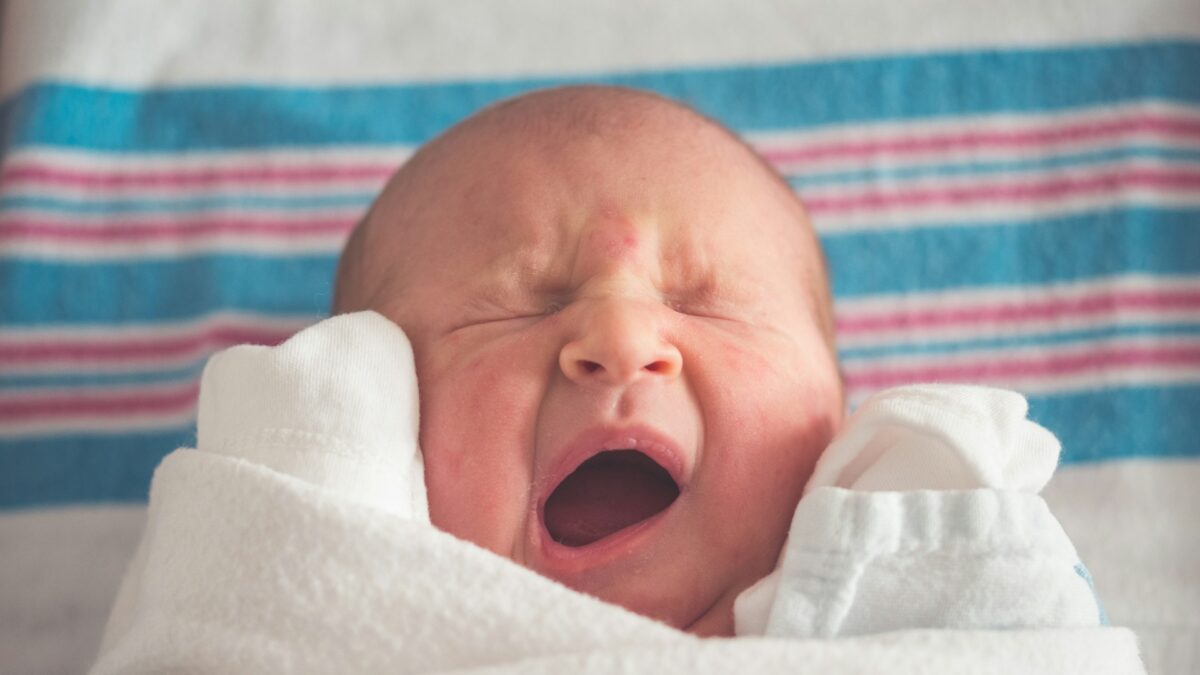
New York Magazine recently published the sex diary of a 42-year-old gay dad living outside Boston. He and his “husband,” Gavin, have an infant daughter, Sophie, who was presumably born through paid surrogacy.
At 10 a.m., Dad opens Sniffies, a location-based app used primarily by men seeking anonymous sex.
Over the next seven days, he propositions a married man who initially refuses to show his face. He has sex with that stranger on his infant daughter’s leaf-shaped play mat while her stuffed giraffe knocks against his head. He sends Gavin a photo of himself in a jockstrap, hoping he will leave work early. He ends the week having sex with a police officer at a party up against a washing machine.
One infant. Two gay men. No mother. Welcome to the post-Obergefell family.
From the adult’s side, the diary is supposed to read as naughty, funny, and liberated. From Sophie’s perspective, this isn’t a cheeky account about sexual liberation. It’s a record of her fundamental biological and developmental needs being subordinated to a sex-crazed man.
The diary runs roughly 2,300 words across a few hundred sentences. The vast majority of entries describe a sexual encounter, sexual fantasy, or attempt to arrange one, often in X-rated detail. By comparison, references to Sophie are scarce and largely administrative. And even those moments are diverted to his sexual monologue.
While Gavin prepares her bottle, the writer is thinking about oral sex. As formula drips down Sophie’s chin, he jokes that she is obviously Gavin’s because she “eats like a troll.” At the pediatrician’s office, he notes the doctor’s genitals “swinging under his scrubs” and sexualizes the examination itself: He swears the doctor “looked at me when he put his little finger in Sophie’s mouth” to test her sucking reflex.
Even when Sophie is mentioned, she’s overshadowed by her father’s sexual appetite. In this man’s diary, Sophie is not the subject. She is the scheduling problem.
Motherhood Is Physical
There is a biological reason new mothers don’t talk or speak or act like this. Childbirth stops female bodies from behaving as they did before.
A woman has carried a pregnancy for nine months and endured labor, often accompanied by tearing, blood loss, and drastic hormonal shifts. Doctors generally recommend waiting until the six-week postpartum examination before intercourse.
That physical interruption is not an obstacle. It redirects a mother toward the infant and away from sexual adventuring. Her hormones, pain, exhaustion, and the newborn’s physical dependence on her redirect both her sexual choices and her attention. Because her baby needs it.
Men do not undergo that transformation. They can love an infant intensely, but they enter fatherhood without having been physically forced to slow down. But men’s bodies still do change after the arrival of a baby — if they are connected to the child’s mother.
In 2011, Lee Gettler and his colleagues followed 624 men and found that testosterone declined substantially among men who became partnered fathers. Fathers tested within a month of their child’s birth showed the steepest testosterone declines — before extensive caregiving could explain the change. That suggests a man’s biological transition toward fatherhood may begin during his wife’s pregnancy and intensify around the birth.
What results from lower testosterone? Not just increased tenderness with his child, but also temporary suppression of his sexual appetite. Postpartum sexuality research describes opposite-sex couples “reorganizing sexuality around the baby.” Husband and wife adjust together, and rarely does one partner pursue sex from third parties like the diary’s author.
A gay man who acquires a baby at the moment of birth, without spending nine months alongside a pregnant wife, cannot simply be presumed to undergo the same hormonal transition. Based on this sex diary, not even daily caregiving duties could subordinate this man’s sexual appetites to his daughter’s needs.
A Different Kind of Diary
Now compare the gay dad’s diary with one written by Alena Falkengren at the same point in her daughter’s life: two months postpartum.
Falkengren wrote about her baby’s first smiles, the challenges of breastfeeding, and how motherhood gave her heart “the capacity to expand” each day. She described the strange intimacy of learning her baby’s rhythms, the exhaustion of being needed constantly, and the emotional enormity of ordinary moments.
Her daughter was not an interruption to the diary. Her daughter was the diary. Pregnancy, postpartum recovery, nursing, and female neurological distinctions all orient women toward attentiveness and responsiveness to their newborns.
The difference is not that every mother is selfless or that every father is distracted. The Lindsay Clancy case should be enough to disabuse anyone of the fantasy that every mother is automatically nurturing, stable, or safe. Some mothers are disturbed or cruel. But those are deviations from the norm and that’s exactly why we’ve been shocked and horrified by her case.
Consensual Doesn’t Mean Pro-Child
Routine sexual exploits are not a deviation for gay men. They are the norm.
Don’t take my word for it. Take theirs. Surveys of male same-sex couples have repeatedly found very low rates of sexual exclusivity. Sexual recklessness and serial hookups are not unusual among gay male pairings, nor are negotiated rules such as the “don’t ask, don’t tell” policy disclosed in the gay dad sex diary. Open arrangements may be consensual between adults. They do not become child-centered merely because both men agreed to them.
These sexual exploits channel caregiver attention and affection away from a newborn. Whether Gavin authorized the sex does not change what Sophie experiences: an adult household organized around sexual opportunity rather than around the intense demands of a 2-month-old.
Children have a right to their mother and father. They do best when raised by that man and that woman in a permanent, low-conflict relationship. Outcomes for children decline in any family arrangement in which their mother or father is missing or an unrelated adult is present. Sometimes those households arise out of tragedy, and adults do their best to mend a child’s loss. But some arrangements are opposed to centering the child from the start. The gay dad sex diary gives you an undeniable picture of one of them.
We erred when we legally and culturally equated same-sex couples with married mothers and fathers. Love does not make men mothers. Fertility contracts and payments cannot replace the woman a child has lost.
This father has told us exactly what the modern family prioritizes: adult appetite over child need. We should believe him. Then we must retake marriage on behalf of children’s rights so no child grows up deliberately deprived of her mother and the basic attention she deserves.