
Imagine a butcher shop hires a vegan whose stated mission is to poison the meat supply and destroy the business. Or picture an oil company appoints a CEO who campaigns to eliminate the oil industry. No sane institution voluntarily empowers those who pledge its destruction. Yet that’s exactly the threat facing our republic.
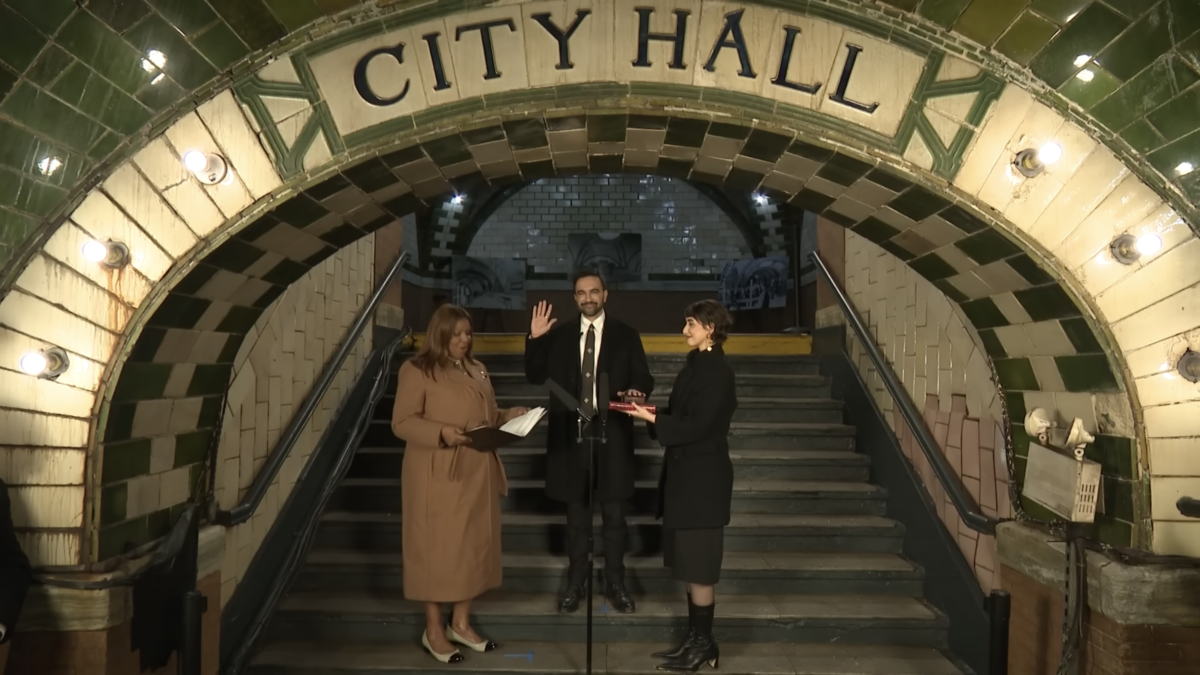
Today, Americans face an unprecedented constitutional question. What happens when candidates for public office belong to an organization that rejects the constitutional order? If elected, how can these individuals honestly swear a sacred oath to support and defend the Constitution when their own organization calls for its replacement?
This concern is no longer hypothetical. Card-carrying members of the Democratic Socialists of America (DSA), including Melat Kiros, Darializa Avila Chevalier, Claire Valdez, Chris Rabb, and others, continue to win Democratic primaries. The DSA platform calls to abolish the Senate, replace the presidency, and eradicate the Supreme Court through a new constitution establishing a “democratic socialist republic.”
Some will argue this is about reform, but there is a fundamental difference between reform and replacement. When you seek reform, you accept the legitimacy of the constitutional order and work within that framework. But a movement seeking to eliminate checks and balances, separation of powers, and the constitutional structures that have defined our republic since 1789 rejects that order altogether.
You can’t establish a new constitutional order without first dismantling the one already in place. This new reality forces us to confront a constitutional blind spot.
The American Framers engineered a system that anticipated almost every threat to the republic: ambition, factions, foreign influence, concentrated power, and tyranny. They understood the weakness of human nature, so they required the Article VI oath of office before a person can exercise a single power of government. Every elected official and many appointed officials are “bound by Oath or Affirmation” to support the Constitution.
The oath was never supposed to create constitutional fidelity. It presumed that fidelity already existed.
Elections matter, and they should matter, but simply winning an election doesn’t erase everything a candidate said before election day or the organizations he belongs to. The oath isn’t there to celebrate the election. It exists to affirm allegiance to the constitutional system under which the election occurred.
Americans take oaths every day, and those oaths carry consequences if violated. As I learned from spending more than a decade as a special investigator for national security and public trust positions within the federal government, every applicant must attest that all answers are true, complete, and accurate. Lie, and the government can deny or revoke your clearance. You can also face prosecution.
If you testify in court, you must swear to the truth, the whole truth, and nothing but the truth. If you’re caught lying, you can be prosecuted for perjury. Every member of the military takes an oath, and if violated, he can be court-martialed.
Our government scrutinizes and enforces nearly every oath, but the most important oath — the constitutional oath — is currently treated as an afterthought.
Some scholars will argue that the Supreme Court has already answered this question. They’ll cite cases such as Powell v. McCormack and Bond v. Floyd. But these cases never addressed a candidate who belongs to and advocates for an organization that seeks to replace our constitutional order.
The Powell case dealt with congressional qualifications and allegations of misconduct. The Bond case protected a state legislator’s right to criticize government policy. Neither case truly confronted the oath question.
Others will argue that this is a free speech issue. But this debate goes beyond that. While the First Amendment protects political speech, it doesn’t answer whether someone seeking to replace the Constitution can honestly swear an oath to support and defend it. A serious nation has a right to expect a basic level of loyalty to the constitutional order, especially from the very individuals who seek the power to govern it.
We need a definitive answer. Is the constitutional oath a meaningful safeguard or is it nothing more than hollow words? If the constitutional oath means anything, anyone who belongs to and advocates for an organization that seeks to replace the Constitution should never assume office.
John Adams warned, “Our Constitution was made only for a moral and religious people. It is wholly inadequate to the government of any other.” Whether you agree with Adams’ reasoning or not, he understood that the Constitution assumes a certain level of civic virtue among both citizens and those who govern.
Our constitutional republic will not die because it failed. It will die when we the people no longer believe the Constitution is worth preserving and elect those who seek to replace it.