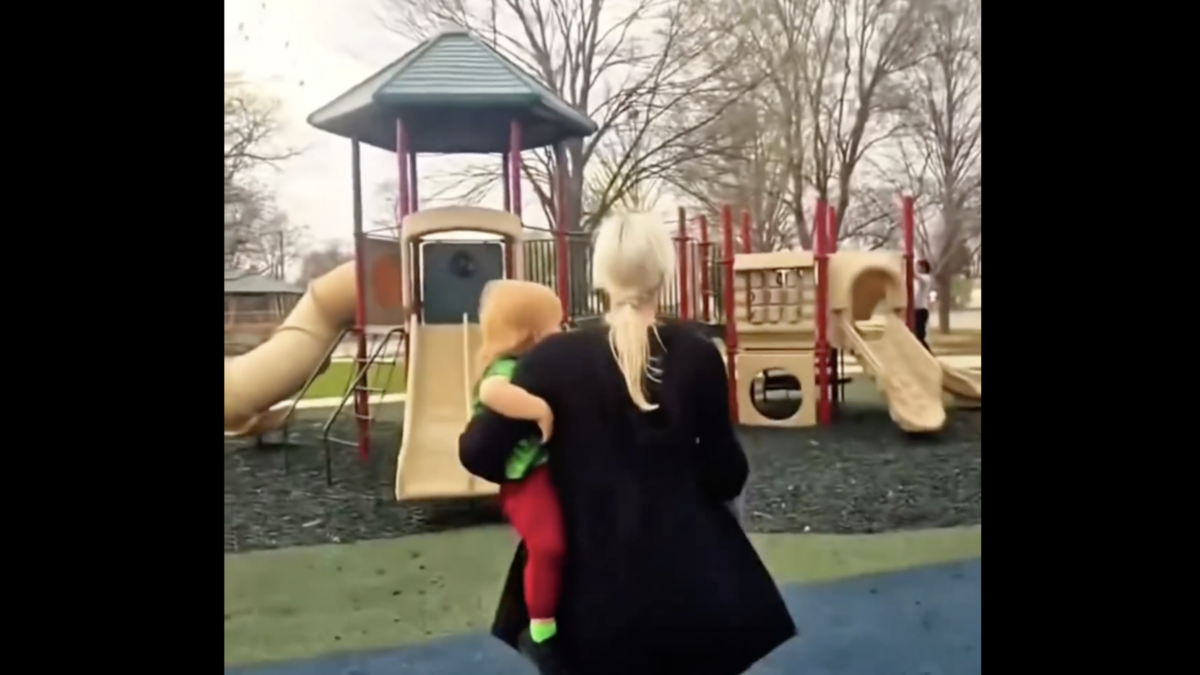

While at a Rochester, Minnesota, playground with her son last April, Shiloh Hendrix watched as an 8-year-old Somali child allegedly ran to her diaper bag and stole something. Hendrix reportedly shouted at the child and called him the n-word. A fellow Somali bystander, Sharmake Omar, began following and recording Hendrix and asked if she called the child a racial slur. Hendrix confirmed she did, and then called Omar the same slur as well. During this interaction, Hendrix is seen walking away from the Somali nationals.
Omar told Hendrix that her speech was “hate speech” and that he would post the video for the world to see. (Notably, Omar was charged in 2022 for allegedly raping and sexually assaulting a 16-year-old girl. The charges against him were later dismissed “in the interest of justice.”)
And the world did see it — and had the opportunity to judge for itself. Whether viewers of the incident condemned her, criticized her, or defended her, it was all their prerogative to have their own First Amendment thoughts on her use of her First Amendment right. It’s how free speech works.
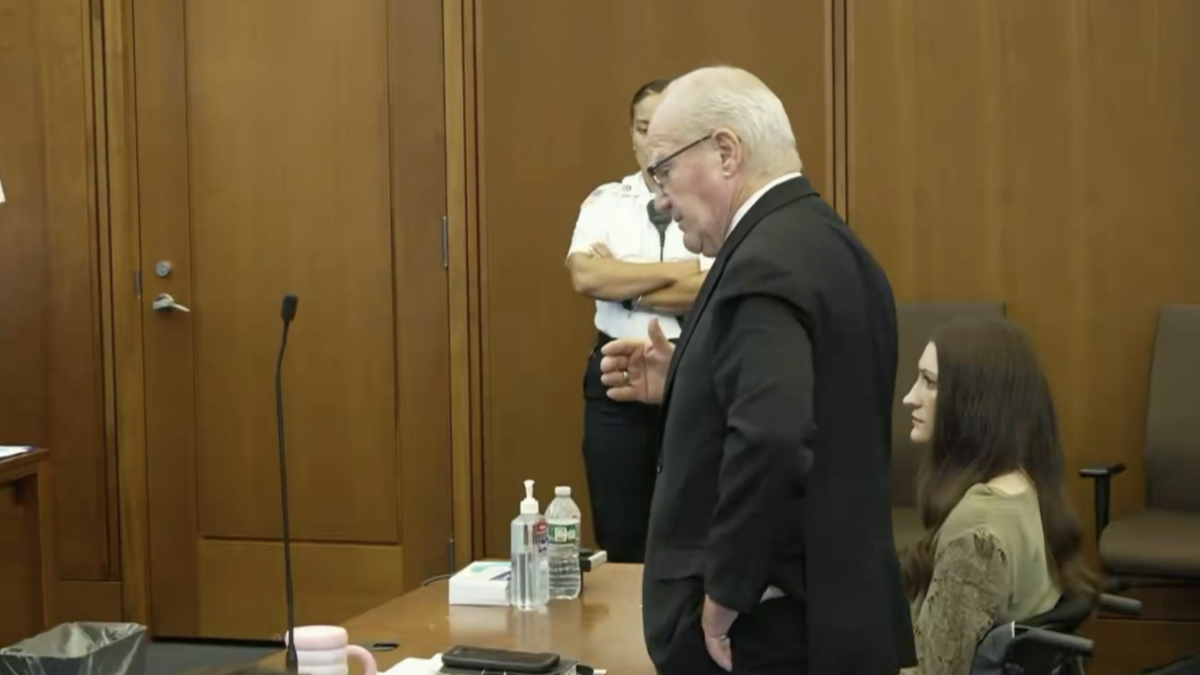
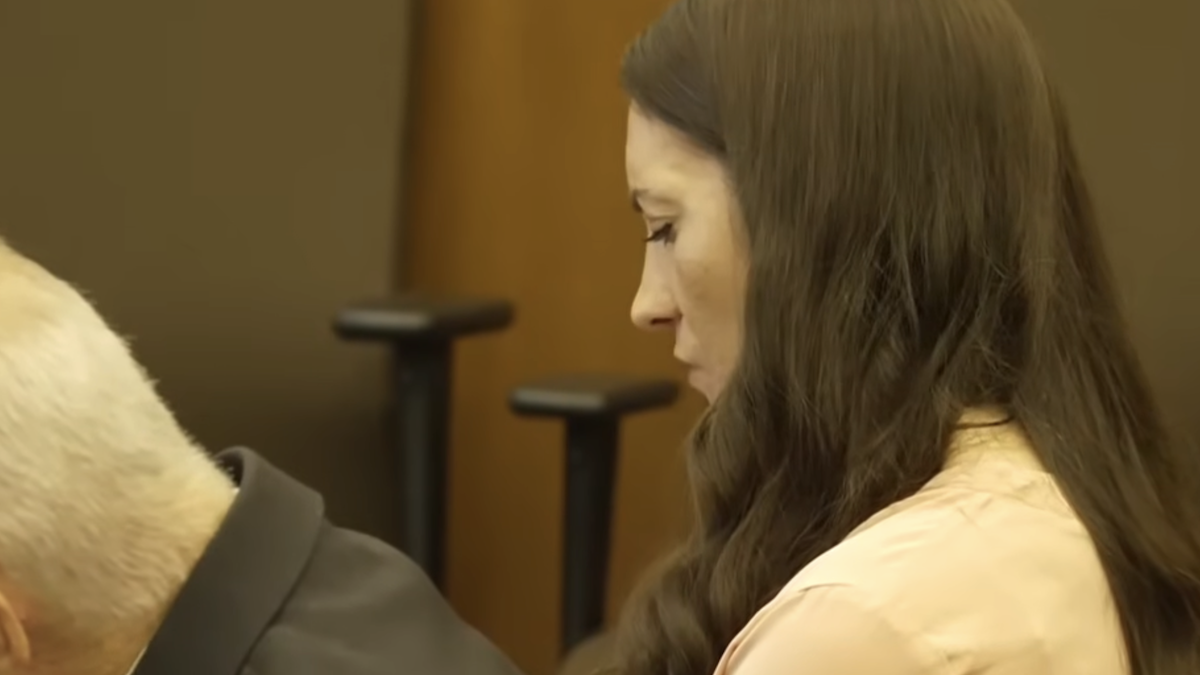
Yet on Thursday, the government also decided that it should get to judge Hendrix’s First Amendment right. Hendrix was found not guilty on disorderly conduct toward the child but guilty on one count of disorderly conduct toward Omar, who taped a portion of the incident. Hendrix was ordered to pay a $1,000 fine, placed on probation, and ordered to complete community service. Her defense attorney reportedly plans to appeal the decision.
Defending Hendrix’s constitutional rights requires no defense of her language. The First Amendment was not written to protect only the speech that is approved by an ever-changing society. If free speech requires the government to rubber-stamp its morality, then there would be no reason for the First Amendment in the first place.
Prosecutors attempted to get around Hendrix’s First Amendment right by arguing her use of slurs amounted to “fighting words” (which are not protected by the First Amendment since they can provoke immediate violence). But the video makes such an argument hard to believe. Omar is the one who approached Hendrix, followed her as she walked away, recorded her, and repeatedly goaded her into saying the word again. Hendrix never advanced toward Omar. In fact, the only thing that Hendrix’s words provoked was content creation for Omar, who purposely goaded her into saying the slur again so that he could make viral content.
But this case represents the logical conclusion of the left’s insistence that “speech is violence.” Such a claim creates the permission structure for censorship and punishment: If words are violence, then silencing and punishing the speaker is justified. It’s the entire reason the left constantly uses that phrase whenever it wants to force ideological conformity.
The University of Colorado Boulder said that refusing to use a mentally ill person’s preferred pronouns can be an “act of violence.” Ann Coulter was shouted down by students at Cornell who claimed, “Your words are violence!”
In both cases, the “speech is violence” iterations had the same effect: They justified (at least in the left’s minds) censorship. The label of “hate speech” serves a similar purpose. It allows someone to shut down any argument or discussion or even justify violence by accusing someone of being hateful — even though the First Amendment does not have a hate speech exception and the Supreme Court has repeatedly affirmed this.
Shortly after Charlie Kirk was assassinated, then-MSNBC analyst Matthew Dowd said Kirk was “one of the most divisive … figures … who is constantly sort of pushing this sort of hate speech” and that “hateful thoughts lead to hateful words, which then lead to hateful actions.”
Tyler Robinson is reported to have said that Kirk “spread too much hate” and that “some hate can’t be negotiated out” and then allegedly followed that conclusion to its (in his mind) logical endpoint.
Kirk’s assassination is the ultimate consequence of pretending that speech and violence are interchangeable. If someone’s words are violence, then actual violence is justified. If someone’s speech is “hateful,” uses it to create the moral permission structure for others to respond to said “hate” speech as they see fit.
Words may be offensive and rude, but they are not violence. Free societies ought to preserve that distinction. Omar was free to call Hendrix’s speech hateful. He was free to publish it and let the public judge her. But what should concern everyone is that the government thought it should punish her too.