
They call him the “Minnesota Millionaire,” a wealthy retiree who helped expose how a loophole in the food stamp program is being abused and screwing taxpayers out of billions of dollars.
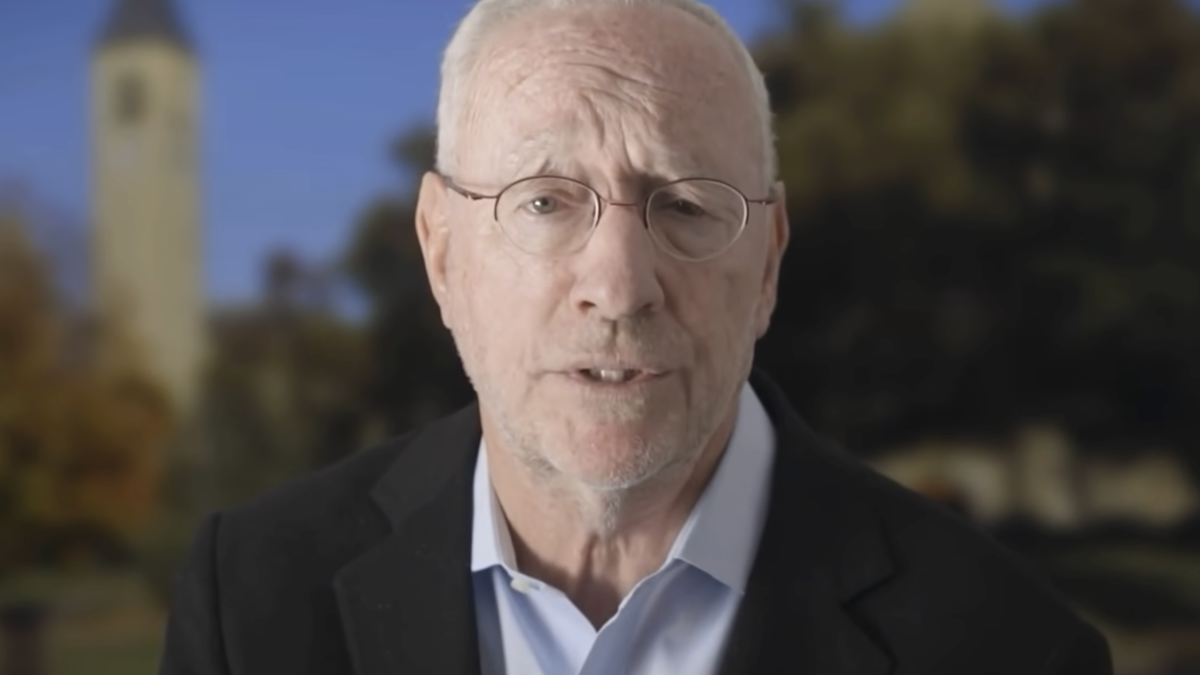
“I like to say I audited the program. And what better way to audit the program than to be a part of it?” Rob Undersander told The Federalist in a phone interview this week.
Over the past decade, the retired engineer has been a crusader against the federal Broad-Based Categorical Eligibility (BBCE) policy, a welfare enhancer with roots in the Clinton administration that has incentivized wholesale theft from U.S. taxpayers ever since. Undersander has worked alongside the Foundation for Government Accountability (FGA) to end the BBCE loophole and prevent millionaires like himself from tapping into benefits they have no business receiving.
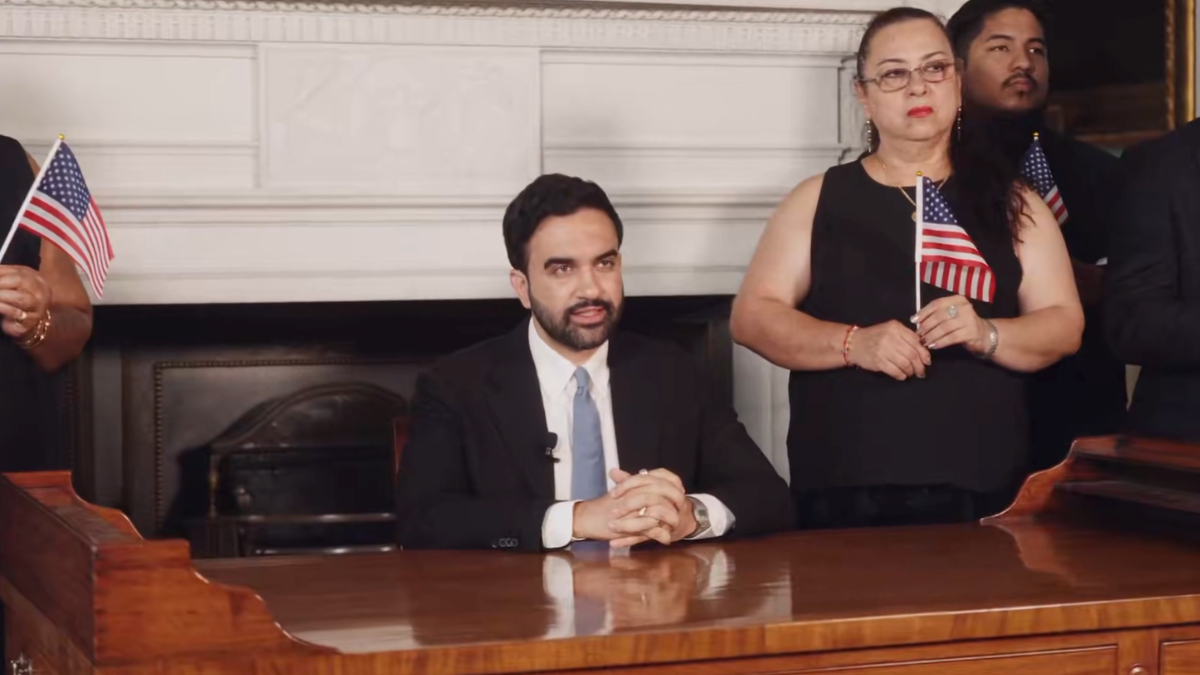
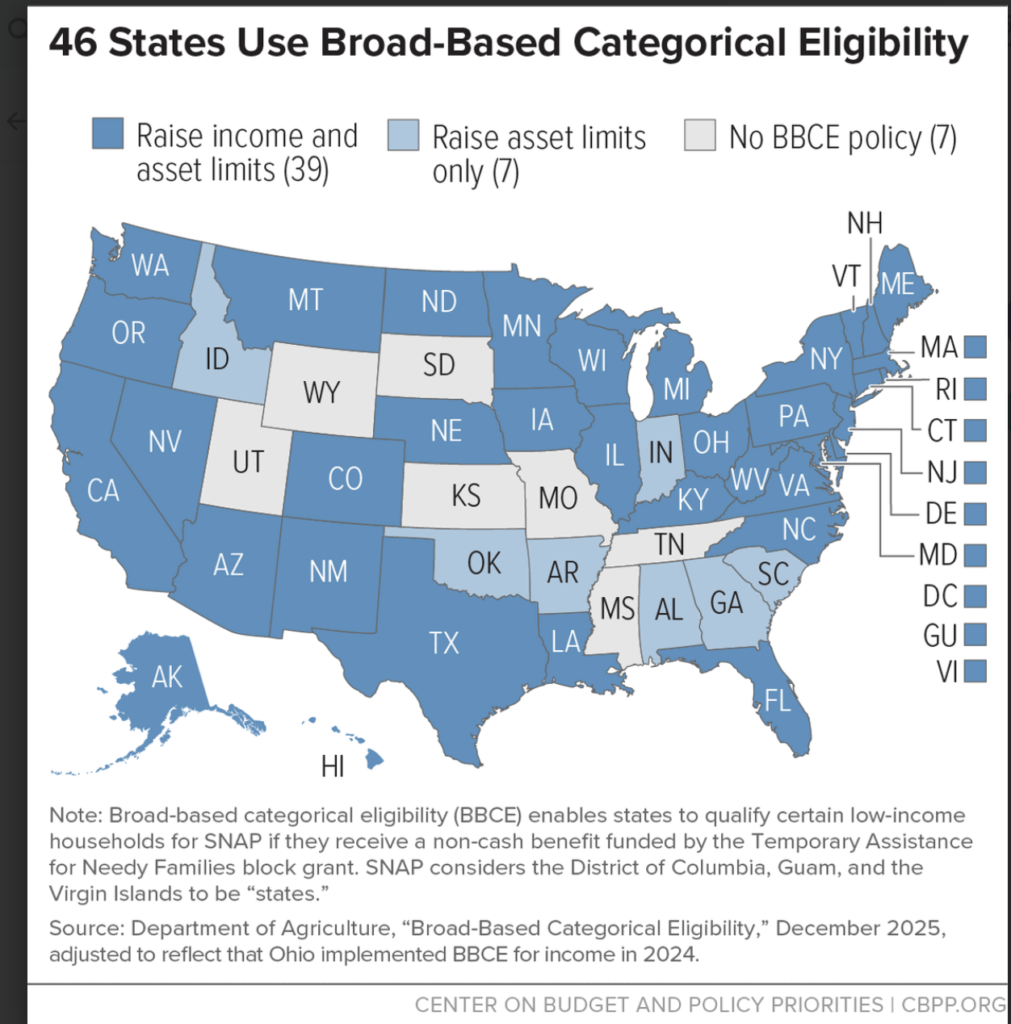
In a new video exclusively provided to The Federalist, FGA breaks down the scam that more than 40 states have used to balloon the nation’s welfare rolls. The foundation calls it “fraud by design.”
“In fact, millions of food stamp recipients exceed the federal asset or income limits,” the video explains. Roughly one in five of those Supplemental Nutrition Assistance Program recipients count assets of $100,000 or more, the FGA notes.
Undersander began “auditing” the SNAP program in 2016 — by collecting SNAP benefits.
‘Fully Weaponized the Loophole’
The retiree was volunteering at the Central Minnesota Council on Aging, helping seniors sign up for Medicare plans, when he learned about Broad-Based Categorical Eligibility. The loophole helps states bypass federal food stamp eligibility requirements, specifically income and asset thresholds. The latter limits take into account liquid assets, such as cash on hand or readily available money in bank accounts. Wealth in property, retirement accounts, life insurance, personal goods and other possessions don’t count toward the asset limits.
States get around the limits through the so-called “non-cash benefit” provision.
“If someone is deemed eligible to receive other welfare benefits, they automatically qualify for food stamps,” FGA explains in the video. “And states have fully weaponized this loophole.”
Source: FGA
States created new “welfare benefits,” including pamphlets, flyers and hotlines that provide information. Once an individual obtains one of these “non-cash benefits,” the door opens to SNAP eligibility. And that door was kicked open during President Barack Obama’s tenure in office, or supercharged, as Undersander describes it. But the loophole is a bipartisan abuse — blues states and red states — of the taxpayer’s trust.
Thanks in large part to the BBCE loophole, food stamp enrollment and costs have exploded over the past 25 years. FGA reports millions of people are enrolled in SNAP via the BBCE despite not meeting the asset and income requirements.
In a 2023 editorial in The Hill, Rep. Ben Cline, R-Va., wrote that the state end-around did much to double food stamp recipients from 17.1 million in 2000 to 41.1 million in 2022. That number has only increased since. Meanwhile, SNAP costs to the taxpayer soared from $17 billion to $119 billion. At the time, Cline, citing the FGA, noted that at least five million people were enrolled in food stamps “despite not meeting eligibility standards.”
The Minnesota Millionaire was one of them.
‘Lobster and Filet Mignon’
Curious to see if he would qualify (and concerned that he would), Undersander filled out the same applications that the seniors he was helping received. A couple weeks later he was getting $278 a month in food stamps, no questions asked. Certainly no means test. After a year, his benefits increased to $341 a month.
Undersander said he received food stamps for 19 months, at which point he turned 65 and began drawing a pension. Finally his income level was high enough to end his eligibility.
Along the way, the government paid for his meals, a menu that included lobster and fillet mignon.
Minnesota Democrats self-righteously attempted to shame Undersander for applying for and receiving the benefits.
“You knew this was wrong and you did it anyway,” Rep. John Considine, D-Mankato, scolded the millionaire while glaring at him during a 2018 legislative hearing. “I find it pretty despicable. …. I am just sorry there is no way we can prosecute you.”
There’s a good reason for that. What Undersander did was not a crime under an egregious loophole created by Democrats like Considine. He could have saved his indignation for himself.
Besides, Undersander did it all to prove an important point: that in the land of 10,000 frauds the BBCE is an ongoing, big government-sanctioned heist. He said he and his wife didn’t ultimately benefit from the public assistance. Each month they gave the equivalent of their food stamp benefits in food donations to their church.
Undersander took his concerns to his state representative, Jeff Howe, who then introduced a bill to reform the system and its eligibility rules. The retiree has testified in support of similar bills, including last month for legislation that would “implement asset limits to the food stamp program for individuals who were categorically eligible after receiving non-cash TANF benefits.”
‘The Amount of Fraud is Appalling’
So what has changed in the past decade since he began his auditing and education campaign? “Sadly very little,” he said in another FGA video.
As foundation notes, the “vast majority of food stamp payment errors are from BBCE households.”
“Overall, the food stamp program has an official error rate of 11 percent, and in some states, error rates are much higher,” the watchdog notes in a report.
But President’ Trump’s One Big Beautiful Bill, signed into law last year, places steep penalties on states that can’t bring down their benefits payment errors. Failure is no longer an option. States that don’t lower rates will have to cover the cost.
As Minnesota majority Democrats are confronted with historic welfare fraud on their watch, the Minnesota Millionaire said his state and the nation need to end the loophole that is legally stealing taxpayer money.
“The amount of fraud is appalling,” Undersander said in the video. “By eliminating this ‘fraud by design’, it really makes the program stronger and helps those who truly need it. I just wanted it to work properly.”