
As I’ve chronicled in these pages countless times, the examples of waste, fraud, and abuse within the federal government and federal health programs seem too numerous to mention. Why do they persist? Because some in Washington seem insistent on defending the scammers.
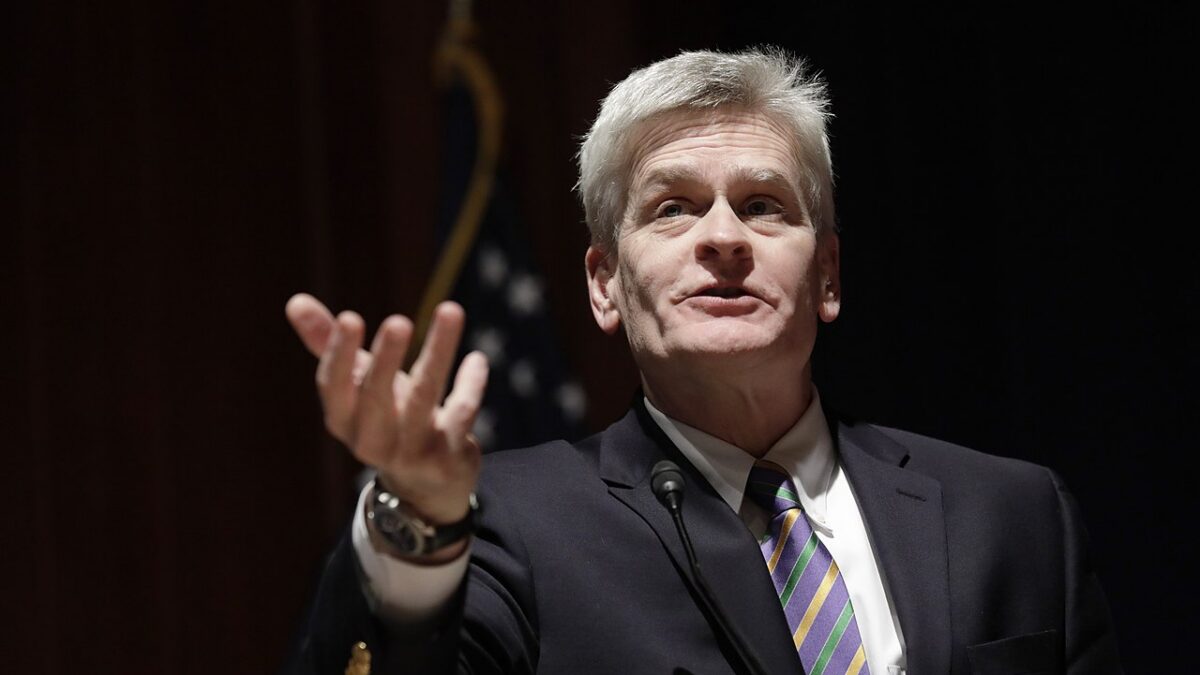
Among the defenders is none other than Sen. Bill Cassidy, R-La. When the Trump administration acted last year to rein in “skin substitutes,” a major source of abuse within the Medicare program, Cassidy introduced legislation that would let the scammers continue to profit. As the incumbent senator struggles to obtain traction in his reelection bid this November, Louisiana seniors should know how Cassidy attempted to keep this scam going — and hike their Medicare premiums in the process.
The Scam, Explained
An investigation by The New York Times explained how the skin substitute abuse stemmed from two factors. First, Medicare has provided coverage of wound care in patients’ homes since 2020. Second, the federal government would reimburse the full price of any new skin substitute during its first six months on the market, no matter how high.
It doesn’t take a rocket scientist to figure out the result. Companies introduced “new” skin substitute products, which in many cases amounted to glorified Band-Aids, every six months and always at a higher price point than the last ones. They discounted the cost of the substitutes to doctors, giving physicians an incentive to get in on the action. By buying the substitutes at a discounted price and then charging Medicare the full rate, doctors could profit handsomely.
And profit they did. Spending on skin substitutes reportedly shot from $256 million in 2021 to an estimated $15.4 billion last year — a more than 60-fold increase in just four short years. Medicare was spending more on skin substitutes than it was paying for ambulances or anesthesia. In one case, a single patient reportedly received $14 million in skin substitutes in one year; in another, a series of skin substitute grafts culminated in the patient developing an infection and ultimately dying from sepsis.
At first, Donald Trump wrongly allowed this scam to continue. During the 2024 campaign, he attacked then-President Joe Biden when contractors for the Centers for Medicare and Medicaid Services (CMS) proposed cracking down on the skin substitute scam. After delaying Biden’s proposed reforms during the first half of 2025, CMS under Trump finally enacted changes last year to clamp down on the overspending. But where the Trump administration has taken action to end this Medicare abuse, Bill Cassidy wants to reinstate it.
Cassidy Stands Up for the Scammers
The Times noted last August that Cassidy “proposed a bill that would set a price more than five times as high as in the Trump Administration plan.” And indeed, Cassidy’s legislation has numerous questionable provisions that would perpetuate the skin substitute scam.
First, Cassidy’s press release claims that the legislation uses “a volume-weighted average of current product prices to ensure fair and consistent reimbursement.” But the bill’s findings admit, “Medicare expenditures for skin substitute products rose significantly in 2024 and 2025.” The bill admits that spending on substitutes has skyrocketed — and then proceeds to lock in that higher spending permanently.
Second, the bill places skin substitutes approved via an expedited Food and Drug Administration process in the same billing and payment code as those approved via a more rigorous and thorough process. Paying companies the same no matter which approval process they use will discourage them from obtaining clinical data via the more detailed process.
Third, the bill prohibits CMS from determining if a skin substitute product “is not reasonable and necessary for the diagnosis or treatment of illness or injury” based solely upon clinical evidence. I know of no other item, treatment, or service within Medicare where Congress has explicitly prohibited CMS from designating a product as clinically unnecessary.
Fourth, the bill states that manufacturers shall not be required to report the average sales price (ASP) for their products. This policy directly contravenes the Health and Human Services inspector general’s recommendations, which noted that not requiring ASP reporting “leads to higher payments for Medicare and its enrollees,” because companies can charge higher prices if they do not report the ASP.
I put all these issues in front of Cassidy’s office last summer (before the government shutdown and related debate over enhanced Obamacare subsidies sucked up the political oxygen and most of my time). Cassidy’s office did not respond to my requests for comment.
The Bottom Line
Cassidy’s giveaways to scammers would hit the bottom line of not only taxpayers but also seniors, who pay approximately one-quarter of Medicare spending on skin substitutes via their monthly Part B (i.e., outpatient) premiums. Here’s how CMS explained the effects when announcing the 2026 Medicare premiums last fall:
If the Trump Administration had not taken action to address unprecedented spending on skin substitutes, the Part B premium increase would have been about $11 more a month. However, due to changes finalized in the 2026 Physician Fee Schedule Final Rule, spending on skin substitutes is expected to drop by 90% without affecting patient care.
Think about that for a moment. To prevent medical providers who have been abusing the system from losing their gravy train, Bill Cassidy would have seniors in Louisiana and across the country pay roughly $132 more per year (i.e., $11 per month). It’s yet another reason why the people of Louisiana quite literally can’t afford another term of Bill Cassidy in the Senate.