
Did you know the Pilgrims who celebrated Thanksgiving were illegal immigrants? That, at least, is one argument one will hear from the radical, pro-immigration left. As we prepare for Thanksgiving (and a Democrat-controlled Congress that will undoubtedly promote a return to disastrous lenient immigration policies), it’s worth considering and addressing five common arguments you are likely to hear in favor of lax immigration policies.
The Pilgrims Were Not ‘Illegal Immigrants’
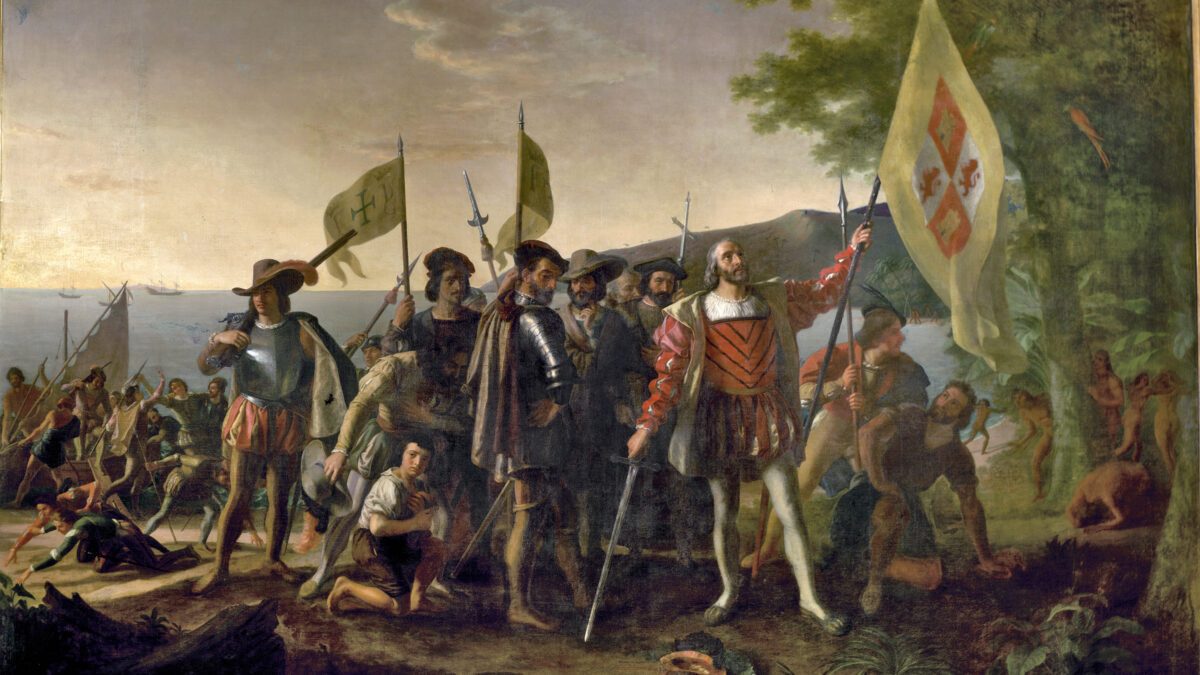
A couple of years ago, The Washington Informer ran a piece titled “The Pilgrims Were Illegal Immigrants,” claiming that the 17th-century arrivals to what is now New England were violating Wampanoag land ownership. A 2018 article in the Berkeley La Raza Law Journal makes much the same claim, as does a 2018 article in NPR.
There are a lot of problems with such a claim, the most salient being that neither the Wampanoag, nor any indigenous peoples in North America, had anything constituting borders that could be violated in the first place. The very concepts of legal versus illegal immigration would have been entirely foreign to Native Americans. The English settlers arrived in an incredibly underpopulated part of the world, set up camp, and, as we should remember from the very Thanksgiving narrative, were welcomed and helped by local indigenous populations.
We Did Not Let Everyone In
Earlier this month, The Washington Post ran a long feature about a tour guide of the Statue of Liberty who turned her tour into a fiery polemic in favor of immigration, including the claim that, “There used to be no wrong way…. Millions arrived before the United States had a national screening system.” She’s not alone in arguing this — The New York Times and the New Republic have both featured pieces in the last decade arguing much the same.
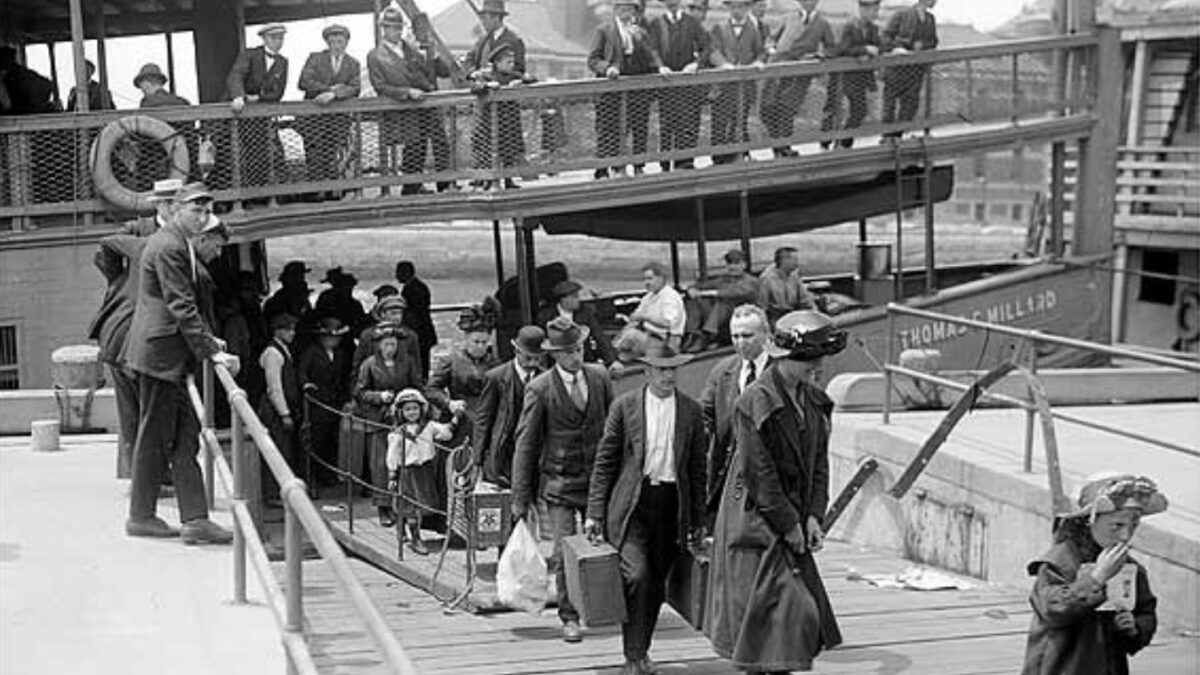
The United States never “let everyone in.” It’s true that, between 1880 and 1924, the United States allowed a comparative surge of immigrants through Ellis Island and other locations. The 1875 Page Act limited immigration of those suspected of entering America for prostitution, and also prohibited specific forms of coerced or contract labor from Asia. And even during the height of immigration, the Immigration Act of 1891 excluded arrivals with certain contagious diseases, polygamists, those convicted of certain crimes, and those likely to become public charges. The subsequent Immigration Act of 1903 further excluded anarchists, anyone who advocated the violent overthrow of the government, beggars, and importers of prostitutes.
America Used to Allow Immigrants To Come In With No Requirements
The same tour guide from the WaPo article also claimed: “Approximately 12 million immigrants, mainly Europeans, traveled through what used to be America’s busiest processing station. Most entered before any visa was required. They just needed to pass a medical evaluation and answer some questions. Then you could walk in and do whatever you wanted.” This is a common refrain you will hear from pro-immigration advocates: that Europeans didn’t assimilate, that they stayed in their ethnic ghettos and were allowed to maintain their parochial identities.
But it’s simply inaccurate. Immigrants from Europe had to obey U.S. laws, and they were expected to culturally assimilate. That’s why people with Italian, German, and Polish names learned English, often Anglicized their names, and tried as much as possible to fit into American society, because they were expected to do so in order to become responsible citizens. And you know what? Those who stayed largely did so, which is why descendants of Italian, German, and Polish immigrants from a century or more ago don’t speak those European languages anymore. Indeed, about one-third of immigrants from Europe to the United States actually returned home, in large part because the socio-cultural barriers to entry into American civic life were so high.
It’s Evil to Deport People to Other Countries
The Boston Globe earlier this year called the administration’s deporting illegal immigrants to other countries “cruelty.” The Philadelphia Inquirer described it as “violating human rights.” And our (unfriendly) WaPo tour guide asserts: “People who are here legally are being deported. People are being deported to countries they don’t even know.”
It’s true, as many as 25,000 people have been deported to countries in which they do not hold citizenship. It’s a huge, frustrating pain for those people. But this is actually the case because in many cases, those persons’ countries of origin won’t take them, or rogue judges make it impossible to deport them there. Deporting these illegal immigrants to third countries also has legal precedent, because international law does not provide asylum seekers an unconditional right to remain in the country where they first arrived.
Moreover, if we are going to talk about cruelty, it’s worth remembering that the huge illegal migrant flows of years past were enabled by drug cartels and human trafficking networks that are responsible for untold amounts of human suffering and death. To slow illegal migration is to weaken those cartels and networks that specialized in cruelty and violating human rights.
We Need Illegal Immigrants for the Economy
All year long, The Washington Post has beaten the drum claiming that restricting both legal and illegal migration has exacerbated labor shortages across a host of U.S. industries.
However, the economic effects of restricting illegal immigration are not economy-wide but are concentrated in certain industries. And removing those unauthorized workers improves the bargaining position of American workers in those same industries, because, as George J. Borjas and other academics have regularly argued, immigrant labor competes with naturalized citizens and places downward pressure on wages. And, of course, fewer illegal immigrants means less stress on housing, schools, transportation, health services, and other infrastructure that have suffered decades of catering to millions of impoverished, non-English speakers.
At the end of the recent (very sympathetic) WaPo piece about the “no such thing as borders” tour guide, it describes her joking about a young Pilgrim woman who was the daughter of illegal immigrants. The young woman, we are told, “didn’t have to worry about not sounding grateful for her place in the only country she’d ever known.”
This is the often unspoken reality of illegal immigration — an entire generation of people who think they have a right to illegally cross America’s borders, work for sub-market wages, and exploit a variety of federal, state, and local services intended for citizens, and have no gratitude for any of it. This is what the left really thinks about immigration. It’s what they really think about hard-working American citizens and our ancestors who labored and suffered to build this great nation. For those concerned about an impending return to open borders, take note.