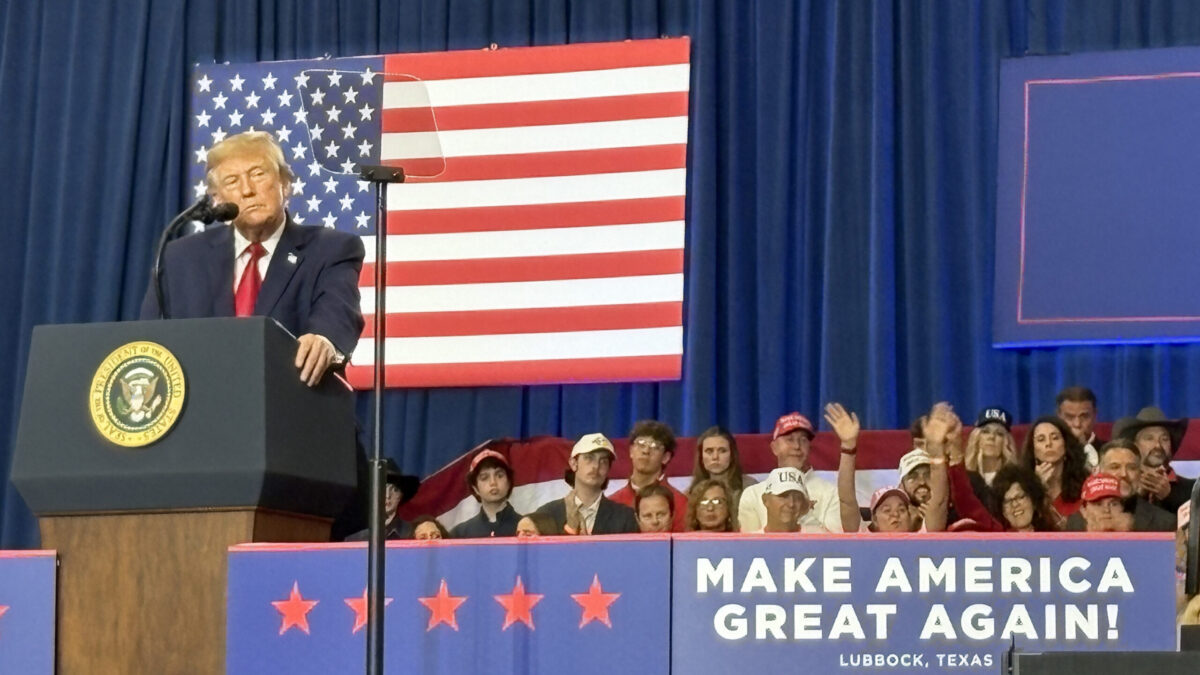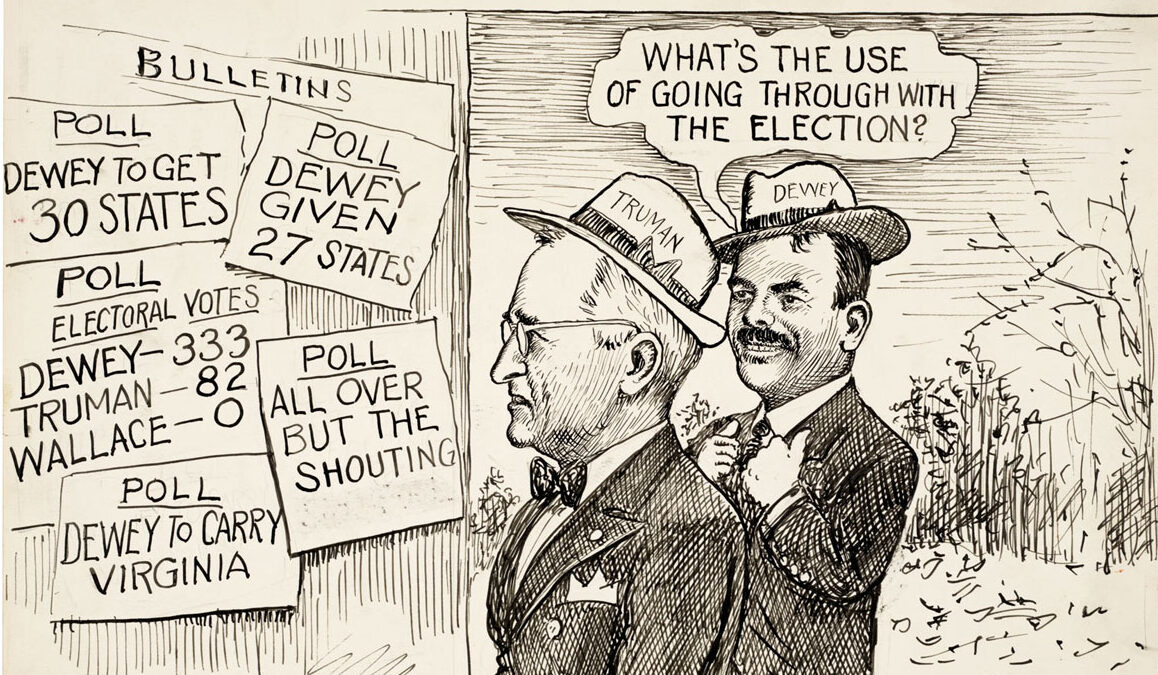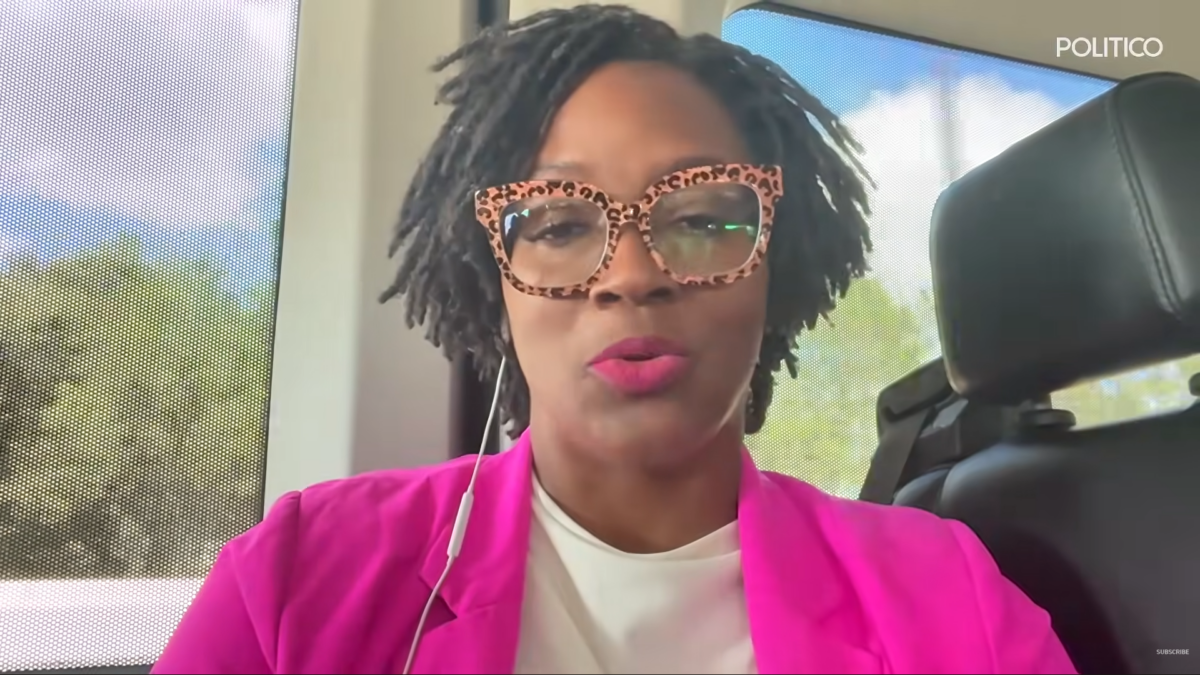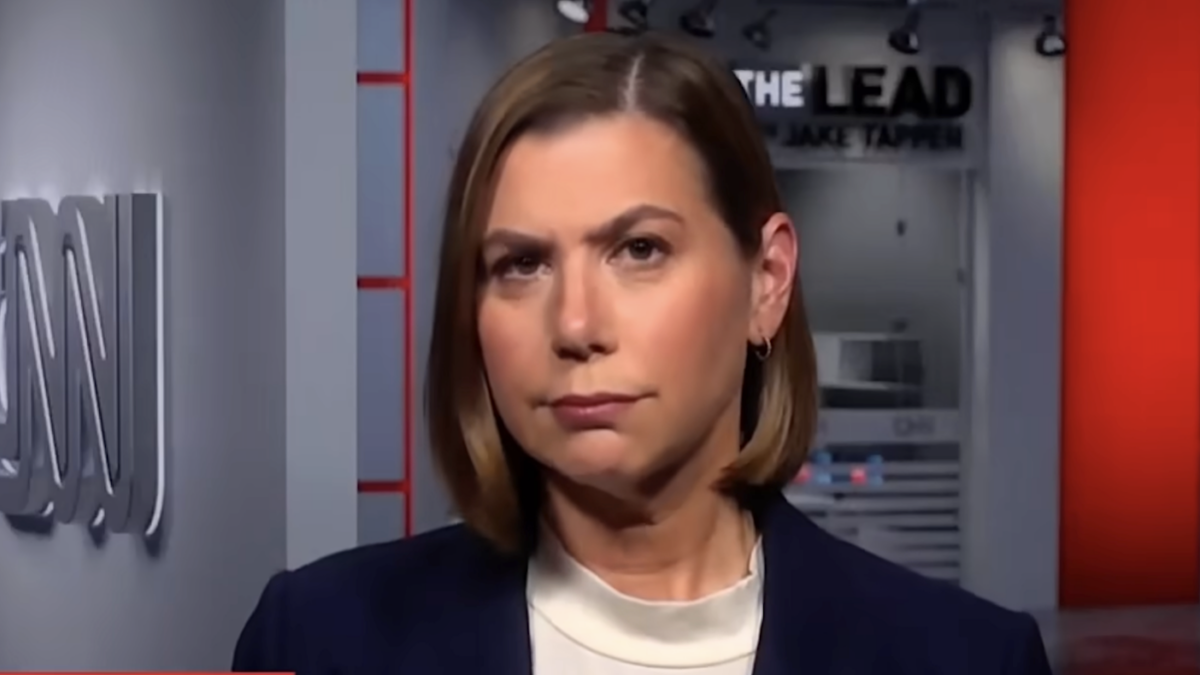

For six years, the rule has been simple: If you question an election, you are a threat to democracy. If you question it loudly, you are an insurrectionist. If you question it with a flag and a bad idea about where to park, you are a domestic terrorist.
Now, with the midterms less than a week out, people in the “democracy-protection” business are discussing, on tape, what to do when the federal government purportedly becomes illegitimate in the aftermath of the 2026 or 2028 elections.
Recordings of video meetings from January, March, April, July, August, and September of this year were obtained by the researcher who posts as DataRepublican and reported on Oct. 20 by The Post Millennial.
On multiple calls in March and August with Renew American Democracy (RAD) and Democratic Constitution Forum (DCF), Danielle Reiff of the Democracy Renewal Group said she was “foreseeing a crisis of legitimacy around the November election” and called the midterms a possible “window of opportunity.” She described a sequence: a national convening, a declaration of “red lines,” then a move toward a constitutional convention outside the existing process. In another recording, she says: “We can take that breakdown moment and leverage it for a big structural reform, you know, refounding moment.”
She expanded on the red lines to say: “So that if there is a red line crossed in terms of a Constitutional crisis, like everybody’s already pre-organized. … And so Mike Smith actually said, he goes, ‘Oh, you guys have the day-after-tomorrow plan.'”
On April 10, on a call with video, Paul Zeitz, a coordinator of the RAD network, told colleagues that he and Danielle had met with Governors Safeguarding Democracy, a forum that convenes Democrat governors, which would connect them to Mayors for Democracy, “a national network of mayors.” The work, he said, was “emergency scenario planning,” and the goal was “to actually now connect with the people that give political legitimacy to these kind of processes.”
The forum, Reiff chimed in, suggested creating “a panel of a couple of people who could talk to governors, who could do a briefing for the governors and walk them through like the doomsday scenario and help them think through … what their options are as a response.” If they got to brief the forum, he said, “that’s a huge breakthrough for us.”
The group Governors Safeguarding Democracy is not secret; Democrat governors J.B. Pritzker and Jared Polis launched it publicly in November 2024. What is new is the room where activists talk about briefing it on a doomsday scenario.
As if that weren’t bad enough, in August, Zeitz said a coalition called the United Democracy Alliance had “developed a set of red lines” and was building a “situation room” for the midterms and 2028. During that call and during one in April, Zeitz said RAD had written an options memo for governors on what to do if Washington were judged “illegitimate.”
On the same August call, John Mongan, a former State Department official, said he gave that memo to the governors of Massachusetts, California, and Illinois, adding that Massachusetts “didn’t want to touch it” while the other two “were interested if someone else” led. He also said that this “is not a concept for a secession.” In what could be seen as a potential effort to make the entire mechanism appear organic, and to keep their fingerprints off it, Reiff warned that moving too early would be “dangerous” and that any “reform” needs “broad support and legitimacy” to avoid looking partisan.
This coordinated plan of action, spanning months, and lining up of levers to be pulled does not need to be a mapped-out coup plot for it to be revealing. Look at who these leaders are courting: “the people that give political legitimacy to these kind of processes.” That is the language of a movement that knows legitimacy is the product, and is lining up the elected officials who can sign for it. In plain English: a room of credentialed people, some with federal résumés, is war-gaming the moment the election/government loses its “legitimacy,” and has drafted a memo apparently telling governors which federal duties to take over and how to coordinate with foreign governments.
If a room of Trump-aligned activists had done that in 2020, with the same vocabulary of “red lines,” “refounding moment” and “doomsday scenario,” it would have been a hearing, a cable segment, and a select committee. That is a fair test, and it is beyond doubt that the reaction would not have been “well, it’s hypothetical.”
The mainstream version is on the record too. On Oct. 21, NPR reported that Rep. Jim Himes and Sen. Mark Warner, the top Democrats on the intelligence committees, are planning for a contested aftermath. Himes said, “We start with the premise that the president is going to do that,” meaning allege fraud. He then added, “We’re making the assumption that the president is not going to accept the results.” Warner said more than 75 groups meet regularly and “there is a plan there.” Both said they told intelligence leaders to be “reachable by phone on and after Election Day.”
One obvious comparison is Jan. 6, and it deserves to be made. On Jan. 6, 2021, a small portion of a crowd protesting what it believed was a stolen election entered the Capitol while Congress was certifying the result. The response was an impeachment, a select committee, years of prosecutions, and a permanent vocabulary: insurrection, threat to democracy, never again. Murkiness and false flags aside, the difference is real: That day involved violence, and these recordings are conversations about contingencies, with no act yet taken.
But the logic is far more interesting. The standard applied in 2021 was that treating an election outcome as illegitimate, and planning to route around the normal process when it came out wrong, was dangerous in itself. Democrats at the time used the legal system to go after Republicans whose contingency plans in 2020 included alternate electors and sought to disbar attorneys like John Eastman and Jeff Clark, who advised Trump on his post-election legal challenges.
If that standard was right then, it applies to a coalition that has written down the conditions under which it will declare the federal government illegitimate and is lining up governors for the response, while building strategic infrastructure to ensure that outcome. If it was wrong, we are owed an explanation of why it stopped applying. Either answer is fine. Changing the subject is not.
To be fair, the plan Himes and Warner describe is a response to a presidential move that has not yet happened. They are preparing to answer a claim of foreign meddling, not making one. But the argument is narrower: When one side is told that pre-judging the other’s acceptance of an outcome is itself sinister, that standard cannot be quietly retired because the roles have reversed. A governing class that spent years insisting that doubting the system is the offense, and is now building contingency architecture for the system’s illegitimacy, has some explaining to do about which doubts count.
If legitimacy is a principle, it has to be a principle. Either asking whether an election was sound is a legitimate civic act, or it is not. We were told it was not. Fine. Then it is not for anyone, and the people drafting the options memo should be asked the same questions we were.
More recordings are still being released.