
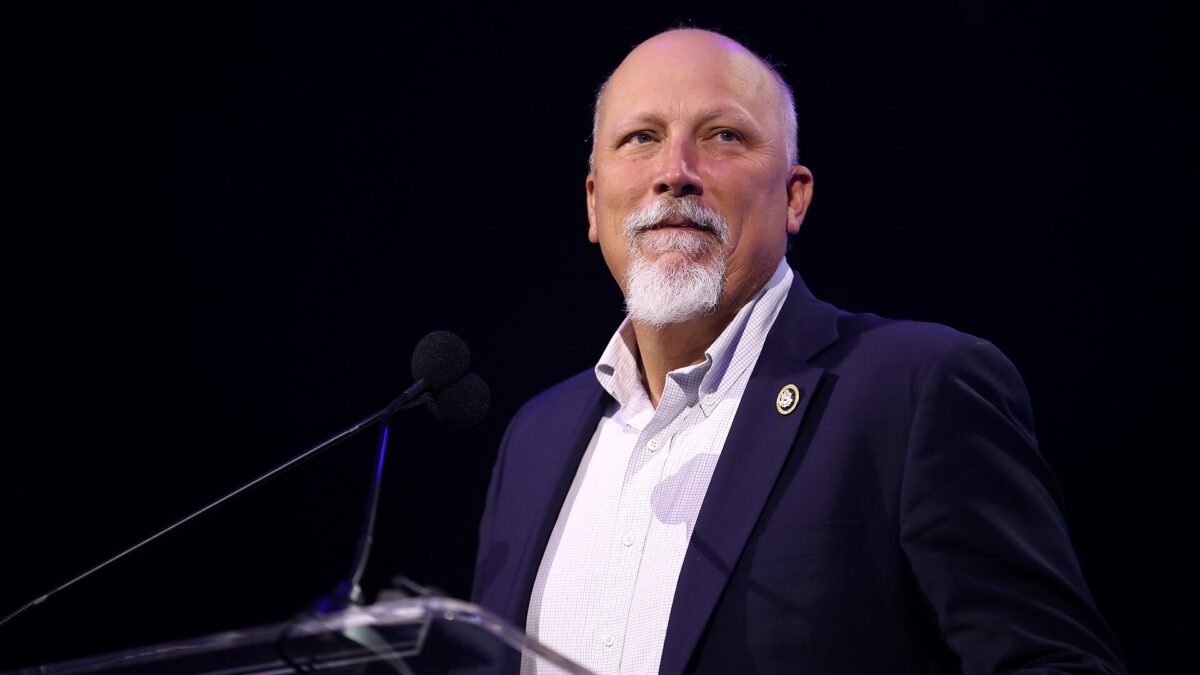

DALLAS, Texas — Rep. Chip Roy, R-Texas, has worn a lot of hats in his career. From working under former Texas Gov. Rick Perry and Attorney General Ken Paxton to now serving as the representative for the Lone Star State’s 21st Congressional District, the Freedom Caucus Republican has spent years of public service advancing conservative priorities in the best way he knows how.
But for Roy, that service is going to look much different come January.
The stalwart conservative will not be returning to Congress next year following an unsuccessful bid to become Texas’ next attorney general. He is poised to be succeeded by former Major League Baseball star and Republican Mark Teixeira, who will face off against Democrat Kristin Hook in the upcoming midterm elections. The seat is considered “solid Republican.”
With a few months left in office, Roy is taking some time to reflect on his House tenure and what the future may hold. The Texas congressman spoke with The Federalist at last weekend’s State Freedom Caucus Network Summit to discuss the wins he and his House Freedom Caucus colleagues were able to secure for conservatives over the past few years, as well as preview what he sees as the biggest challenges the party will likely face in the years ahead.
In “the House, with the House Freedom Caucus’ leadership, I believe that we’ve delivered on a lot of things. Not everything, but a lot,” Roy told The Federalist.
For the Texas Republican, this list of victories includes successfully incorporating a provision in the Laken Riley Act that permits states to sue the federal government over alleged failures regarding immigration enforcement. The law also requires federal immigration officials to detain certain illegal aliens arrested for a variety of crimes, ranging from larceny to assault of a law enforcement officer.
Roy also highlighted a five-year ban on Central Bank Digital Currency in recent housing legislation, as well as significant “spending restraint[s]” the Freedom Caucus was able to secure in the One Big Beautiful Bill. The latter law also included aggressive rollbacks of Biden-era “green energy” tax credits, which were incorporated at the Freedom Caucus’ behest.
The Freedom Caucus’ efforts to push for more fiscally responsible spending habits and conservative policy items in major legislation has at times frustrated President Trump. On more than one occasion, the president has criticized the caucus’ various members for withholding support from bills to extract concessions on such subjects.
Despite these occasional clashes, however, Roy maintains that the caucus’ willingness to play hardball during negotiations has resulted in better outcomes for conservatives.
“With all due respect, it’s not the administration, it’s not [House] leadership, and it’s not the rank and file who are promoting [these reforms]. It’s the Freedom Caucus. And I take with a badge of honor that the Green New Scam people spent $2 million against me because we effectively shut down their subsidies. That’s great, and I would do it again,” Roy said, referencing a left-wing environmental PAC’s spending against him in his Texas AG primary.
But for Roy, the Trump administration is far from the biggest hurdle to getting conservative policy passed into law. The Texas congressman specifically aimed his fire at the GOP-run Senate, which he said, “has delivered on nothing … other than tax cuts” since Republicans reclaimed the majority last year.
All too often, conservative-backed legislation passed by the House has hit a roadblock once it reaches the upper chamber. This includes the Roy-sponsored SAVE America Act, which, despite receiving major support from Americans, has been languishing in the Senate for months on end.
Senate Majority Leader John Thune and Senate GOP leadership have regularly hidden behind the 60-vote filibuster to avoid the hard work of getting the election integrity bill to Trump’s desk. As noted by Roy, however, the party hasn’t even fully exhausted a talking filibuster, which he argued is necessary to preserving the filibuster in the long term.
“The Senate needs to recognize that if they want to protect the filibuster — which is actually important to kind of slow down bad things and have a cooling saucer and a debate and protect minority rights and the rights of a senator — then you better darn well amend the rules to allow a pressure relief valve that says, ‘Look, if the majority wants to get a vote and they’re going to put it on the floor for a while, you’re going to be able to debate it. You’re going to be able to amend it, but it ain’t going to go in perpetuity. You’re going to eventually get the question called,'” Roy told The Federalist. “I think that is a good place for the Senate to land, and in fact, I think it’s a necessary place if you want to be able to deliver.”
Roy went on to forecast the biggest policy issues facing Republicans moving forward — namely, the rise of Islam, AI and data centers, education, and the well-being of America’s children. But in order to successfully confront these issues, he said, the conservative movement “need[s] to unify on some core principles, or we’re going to fracture.”
The Texas Republican referenced the ongoing debates within GOP circles about the most effective ways to handle “family policies, welfare payments,” and the country’s increasingly dire “fiscal health.” He further recognized the importance of such discussions, their relevance to the party’s future, and emphasized that the Freedom Caucus and its state counterparts will “be a part of that.”
“I think we need to have a real philosophical reckoning with what it means to defend and protect our families, societies, and communities in a way that’s consistent with any kind of principle about what the government should or shouldn’t be doing. So, those are the kinds of things we’re going to have to kind of fight out as we structure things,” Roy said.
As far as what comes next for him personally, Roy said he hasn’t “written the script or the outline yet.” While teasing “a mix of media, policy, [and] probably some consulting work,” he confirmed that he will be “actively involved” in helping advance the conservative vision forward for a more prosperous America.
“In many ways, I hope [to be] even more influential because I [will] not have the constraints of an election certificate,” Roy said. “I still have a lot of friends in the House, but I’ll be able to speak pretty freely about, ‘Yeah, don’t vote for that [and] here’s why’ … and be able to shine some light and some truth on what’s actually happening [in] ways that members can’t.”







.jpg)