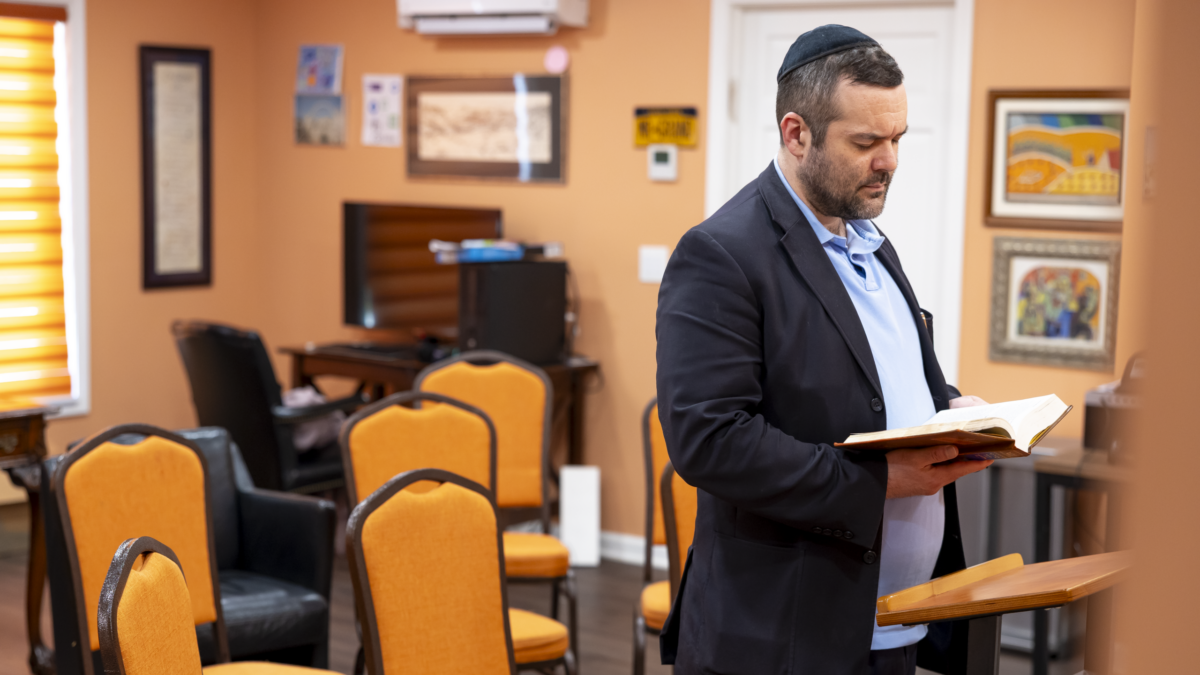

Daniel Grand, a devout Orthodox Jew from University Heights, Ohio, is petitioning the Supreme Court claiming he was effectively blocked from hosting an in-home prayer group by his local government.
In 2021, Grand sent an email to his friends inviting them to join him at his home for the “inauguration” of a shul that would host Jewish religious services, including prayer groups. That email was leaked to others in the town, who reported Grand to the city and asked them to “put a stop to this,” according to Alliance Defending Freedom. The next day, Grand received a cease-and-desist letter from the city’s law director ordering him to shut down his illegal “place of religious assembly.”
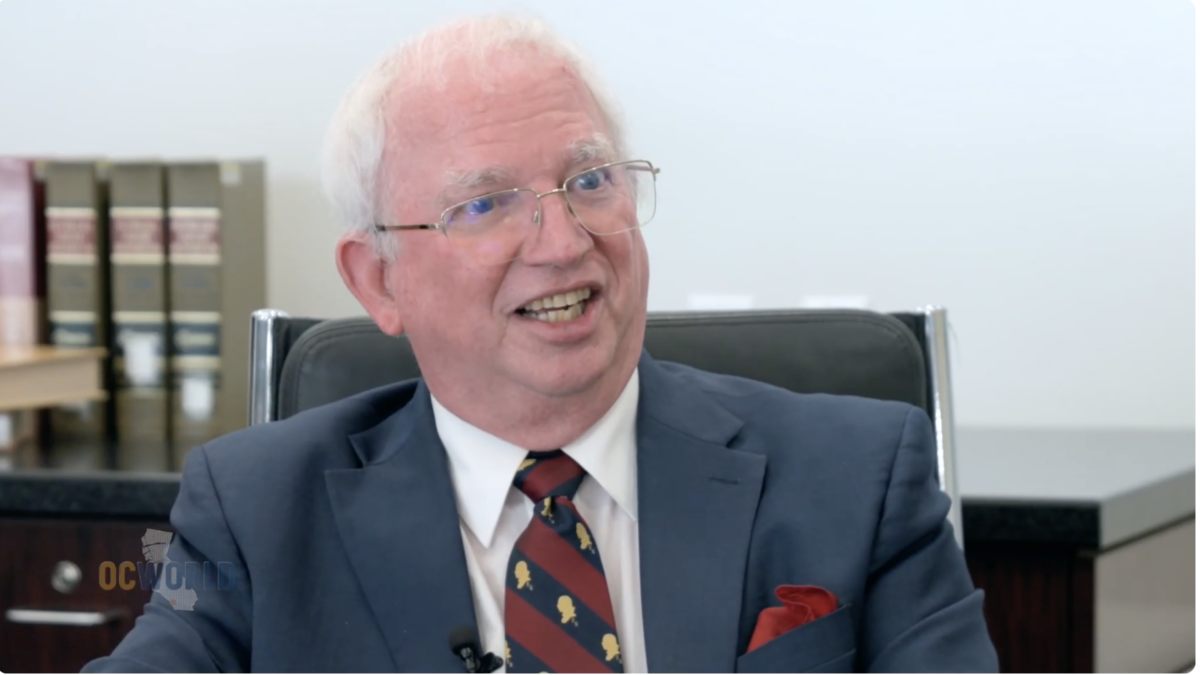
“The whole purpose of this was because the synagogue is over a mile from Daniel’s house, and it gets cold in Cleveland in the winters, and he wanted to set up a place where his friends could come [to pray] on Saturday, when they can’t drive,” said Grand’s lawyer Jonathan Gross.
Grand told the Federalist that the city of University Heights ordered him to seek a commercial special-use permit for his home, which is required for churches and synagogues. The cease-and-desist letter “threatened additional remedies,” and presented obtaining a special-use permit as the only path to compliance, according to the ADF. However, a special-use permit also prohibits “sleeping or residential use,” according to Grand, meaning if he wanted to have a shul at his home, he could not live there anymore.
Grand felt like he was left with two choices: move out of his home, or withdraw his application for the permit.
Former University Heights Mayor Michael Dylan Brennan told The Federalist that after he withdrew his application, Grand approached the city suggesting that he “actually just wanted a prayer group,” and Brennan said the city “had no issue with that.” He claims Grand asked the city to sign a Memorandum of Understanding with him about hosting a prayer group, and that while the city agreed to sign it, Grand never did. Instead, he took the case to the courts.
“This is a manufactured controversy on Mr. Grand’s part,” Brennan told The Federalist. “If he was merely having a small prayer group that met regularly at his house, this would not require a permit, and it would not be city’s business.”
Brennan told The Federalist he made a statement asking people to “feel free” to report any activity they saw at Grand’s house that was “consistent with the operation of a house of worship.” Grand claims this prompted one neighbor to put up security cameras all pointed at Grand’s house, with one peering into his son’s bedroom. A University Heights Police lieutenant also directed officers to drive by Grand’s house to check for violations, according to court documents.
“They were doing that for months,” Grand said. “I felt like paparazzi every time I walked out of my house. It was a very strong, ‘You’re not welcome here’ kind of thing.”
In Grand’s public hearing, town members reportedly sent “about a dozen” hostile letters to the city opposing the permit, saying things such as, “I am not Jewish and I do not want our neighborhood labelled as Jewish,” according to Grand.
Brennan noted that he approved every special-use permit that completed the application process while he was mayor, including permits for three other synagogues and a mikvah.
The Sixth Circuit Court of Appeals took the position that because Grand withdrew his permit application and never got a ruling to dispute, the case is “unripe.” In Grand’s appeal, he “articulates a perfectly sound legal argument but misconceives the situation. Federal courts indeed dismiss cases for lack of ripeness without prejudice.” However, as ADF points out, the court did not address “the constitutionality of the city’s actions.”
The city of University Heights argued that land disputes like Grand’s need a final determination from the district court to proceed. Grand could not get a final determination because he withdrew his permit application, and therefore “could not establish finality and certainly no distinct harm.” The city also claimed the cease-and-desist letter presented no “immediate harm” because it did not impose a fine or restriction other than what was already stipulated in town ordinance.
In their legal filing, Grand and his lawyers argued the cease-and-desist letter caused harm to Grand by preventing his prayer group from meeting on the Sabbath in his home, and that harm was exacerbated by the coordinated effort to spy on Grand’s home for any prayer meetings.
“This dispute began with Daniel Grand trying to pray with a small group of friends in his own living room – a group of 10, consistent with his personal religious beliefs,” a spokesperson for Grand’s legal counsel told The Federalist. “The city created a procedural maze and undertook a surveillance exercise designed to chill that religious act.”
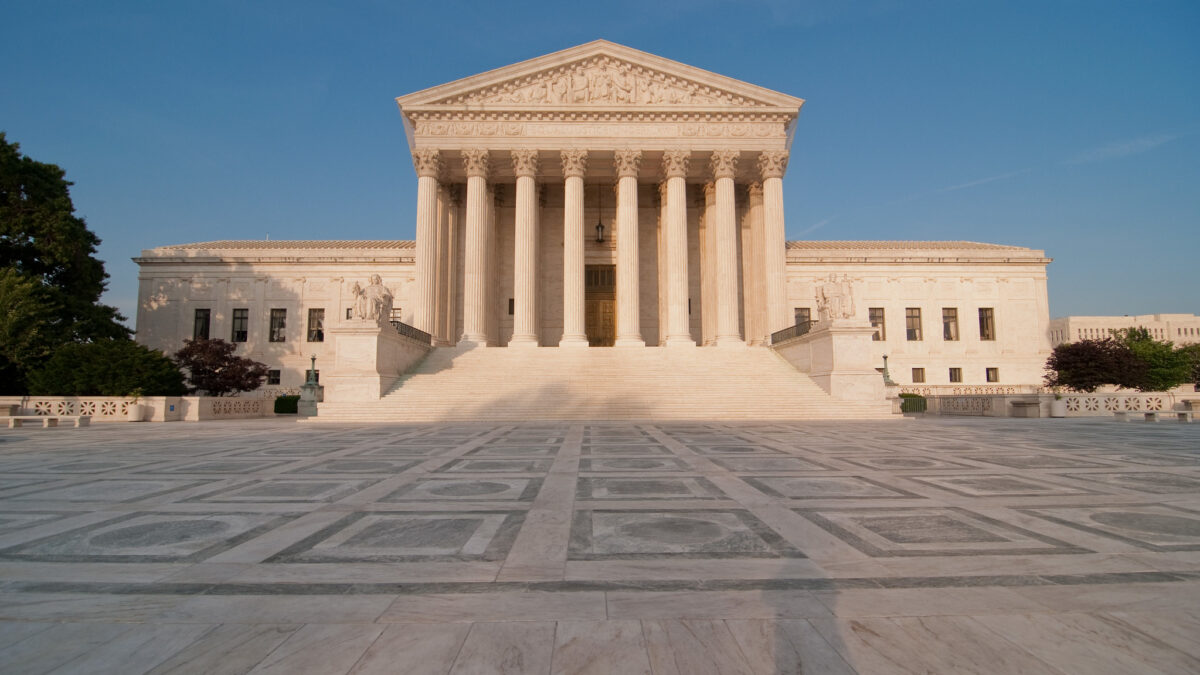
Grand and the ADF announced they filed a petition on May 28 asking the Supreme Court to step in and hear his case, Grand v. City of University Heights, which would overrule the circuit court’s dismissal and allow him to host the simple in-home prayer gathering that he wanted from the beginning.
“I’m asking for all people of faith and who believe in the Constitution to pray that the Supreme Court takes up this case,” Grand said. “We want God in the home. I should not have a government telling me that I have no right to have God in my home. Yes, I do.”