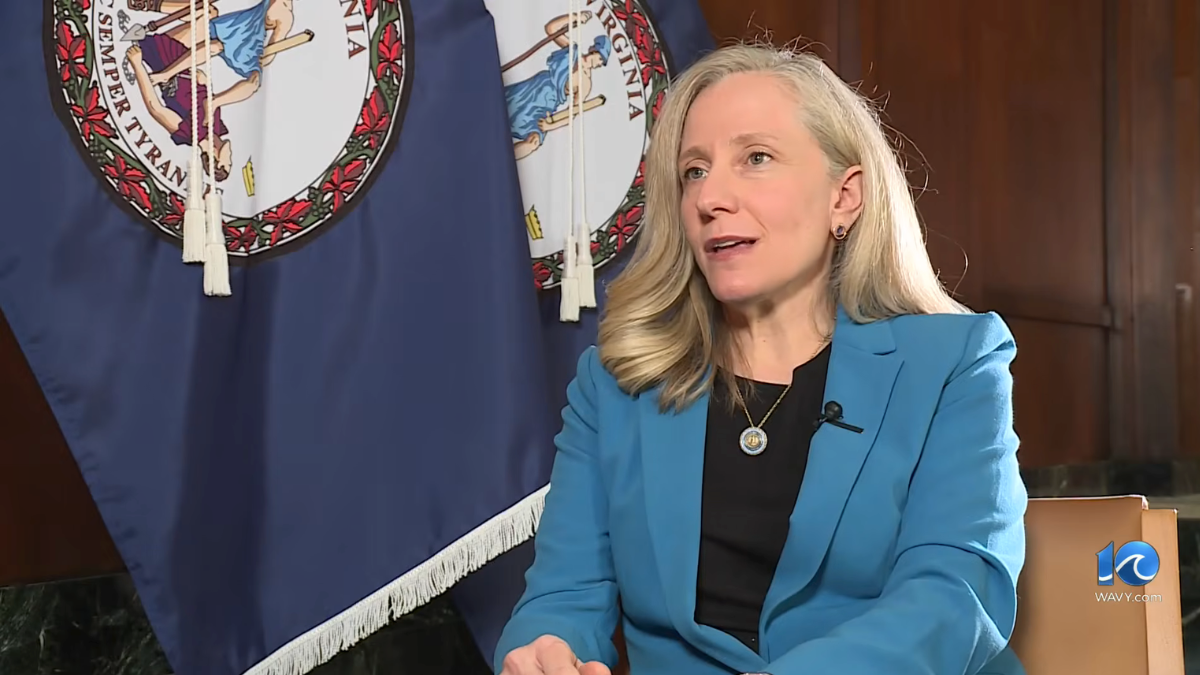

Gov. Abigail Spanberger campaigned as a pragmatic leader who would put Virginia families first. Yet when faced with a looming government shutdown, she chose to sell out Virginia’s children and communities by agreeing to a deal that brings recreational marijuana dispensaries to the commonwealth.
While the governor claims this compromise creates a “safe, legal, and well-regulated” cannabis market, Virginians should not be fooled. This agreement will expand marijuana use, increase addiction, normalize drug culture, and leave families to bear the costs.
Let’s begin with an inconvenient fact: Marijuana is not harmless.
Whether illicit or regulated, marijuana remains a drug that profits from addiction. It is estimated that more than 60 million Americans now use marijuana, and Yale researchers report that “30% of current users meet the criteria for addiction.” Research has also documented psychotic symptoms during intoxication, including paranoia and hallucinations. Legalization does not make marijuana safer; it simply makes it more accessible.
Supporters argue that restricting sales to those 21 and older will keep marijuana away from children. Virginians have every reason to be skeptical. Vaping products are already illegal for minors, yet Virginia schools continue to struggle with widespread youth vaping. More than 8 percent of Virginia high school students and more than 4 percent of middle school students use e-cigarettes. Between 2020 and 2023, vaping-related emergency room visits more than doubled.
Researchers have also found cannabis and synthetic THC in a significant percentage of confiscated vape devices. If existing age restrictions have failed to keep nicotine products out of children’s hands, why should Virginians believe marijuana will be any different?
The compromise plan delays implementation of penalties for public marijuana consumption. But why? If public consumption is a problem worthy of regulation, why would enforcement be postponed? One of the most common complaints from Virginians who visit Washington, D.C., is the pervasive smell of marijuana in public spaces. Residents, families, and tourists should not be forced to navigate parks, sidewalks, and historic districts while being subjected to secondhand marijuana smoke. What in the governor’s plan will prevent Virginia from following the same path?
To make matters worse, this half-baked compromise doubles the amount of marijuana that can be legally possessed from one ounce to two, further expanding access and normalizing use.
The marijuana industry wants the revenue benefits of legalization while keeping prices low enough to compete with illegal dealers, a contradiction that demonstrates how difficult it is to regulate and control a product that was once sold exclusively on the black market.
While the promise of tax revenue may sound appealing, Virginians should look beyond the state’s projected windfall and consider the real costs of legalization. According to a report from the Centennial Institute, Colorado spent approximately $4.50 addressing the consequences of marijuana legalization for every $1 collected in tax revenue. Other research has found that the commercialization of cannabis is associated with a 17 percent increase in substance use disorders, a 35 percent increase in chronic homelessness, and a 13 percent increase in law enforcement arrests.
The marijuana industry is eager to talk about tax revenue. It is far less eager to discuss the addiction, public safety concerns, and social costs that often follow.
This deal also authorizes up to 350 retail licenses statewide, a dramatic increase from the 200 licenses previously contemplated. Yet it remains unclear whether local communities will have meaningful authority to prevent dispensaries from opening in their neighborhoods. Virginians should be asking why unelected regulators, rather than local residents and elected officials, will decide whether pot shops belong in their communities.
Perhaps most outrageous is where the state intends to direct the proceeds. Seventy-five percent of first-year licensing fee revenue will be diverted to the Cannabis Equity Business Loan Fund to help entrepreneurs in communities supposedly “harmed by prior cannabis laws.” In practice, this means prioritizing the expansion of the marijuana industry into many of the very neighborhoods that have already struggled with drug abuse and its consequences.
This is perverse logic. Residents of high-crime and economically challenged communities do not need more drug businesses. They need safer streets, stronger schools, greater economic opportunity, and hope for the next generation. Using taxpayer dollars to subsidize government-approved pot shops in vulnerable communities is not compassionate public policy — it is insulting and counterproductive.
Gov. Spanberger portrays this agreement as a reasonable compromise. In reality, she abandoned demands for stricter penalties, agreed to double the legal possession limit, expanded the number of retail licenses from 200 to 350, and accepted a framework that will normalize marijuana use across the commonwealth.
Former Gov. Glenn Youngkin was right to veto retail marijuana sales during his administration. This legislation does not create a safer or more regulated market. It creates a larger marijuana industry.
Virginia’s children, families, and communities deserve better than a policy that prioritizes cannabis profits over public well-being. Spanberger isn’t protecting Virginia from the marijuana industry; she is throwing the commonwealth under the cannabis.