
Summer is an excellent time to make use of freer schedules and fewer sicknesses to upgrade our skills at creating a home for those we love.
Summer reading is nostalgic. In the hot months of yesteryear, many of us took trips to the library and perused the shelves before tucking away someplace cool to enjoy our finds. Other times, reading was mandatory to prepare for the school year. If the material was worthy, it made for an excellent way to beat the heat!
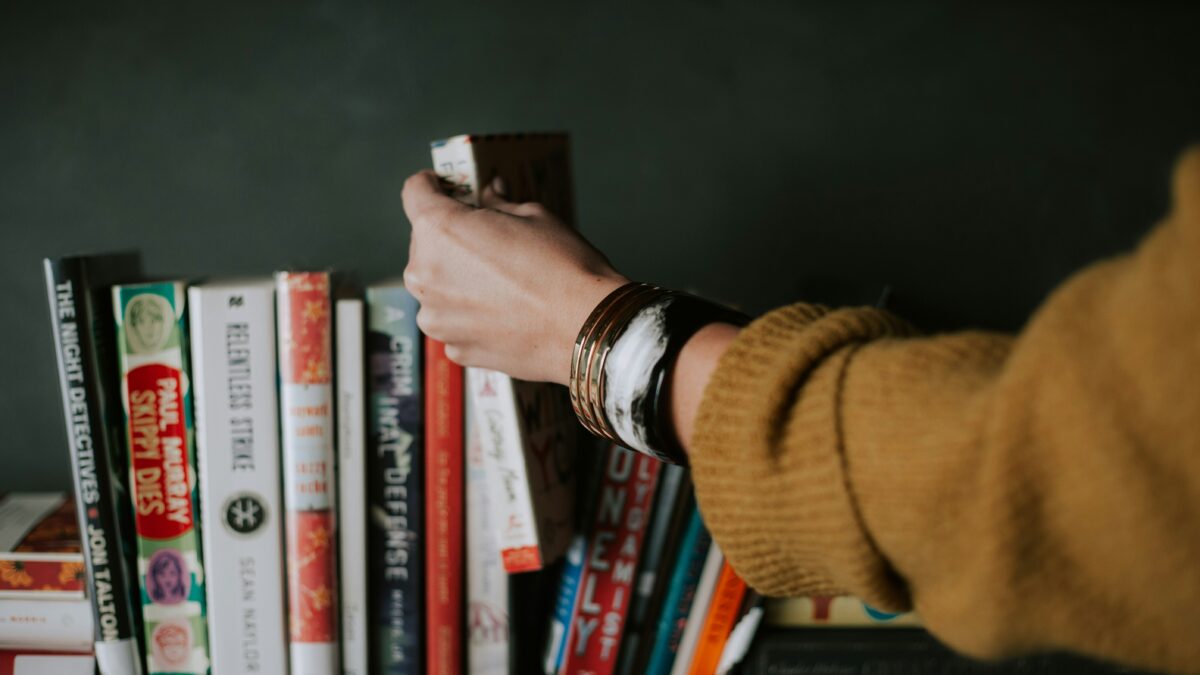
As summer is still hot, I have compiled a short list of recommended reading for young homemakers or anyone in need of such motivation. I’m green yet in my own housekeeping journey, but all the better for each of these books. When I finished each, my first thought was usually, “Why didn’t someone tell me about this sooner?!” Consider yourself told.
This is a very brief list; perhaps you could read one book a month this summer (beginning June 21 – September 22). It would be a great way to enter the colder months with renewed vigor— which you will need for another school year, all the holidays, the inevitable little sicknesses, etc. Think of it as required reading for your homemaking vocation. You’ll find them enjoyable and edifying.
1. The Hidden Art Of Homemaking
Originally published in 1985 under the simpler title, The Hidden Art, Edith Schaeffer (wife of theologian Francis Schaeffer) reminds us that Christians are made in the image of their Creator to create. Indeed, it is a good and righteous thing to do so.
Too often, if we can’t be the best at something or make it our life’s work, we give it up. Consider Amy March’s famous quote from Little Women: “Rome took all the vanity out of me, and Paris made me realize I’d never be a genius. So, I’m giving up all my foolish artistic hopes.”
Yet we often still hold those artistic passions. However, they aren’t meant to die there, but to be released and enjoyed by everyone around us, including ourselves. This is true for everyone but particularly applicable for a homemaker, who has such freedom in deciding her day-to-day life.
Schaeffer wrote, “I would define ‘hidden art’ as the art found in the ordinary areas of everyday life. Each person has, I believe, some talent which is unfulfilled in some area of his being – a talent which could be expressed and developed.”
In this book, she thoughtfully considers different artistic expressions including music, painting, interior decoration, food, flower arranging, drama, writing, clothing, etc. She offers ways we can incorporate these arts into our lives and enrich our worlds. It’s a short read (approximately 200 pages) but memorable.
Standing up at the counter when my husband is gone and I’m tempted to do “girl dinner,” Schaeffer’s voice tells me to still make it orderly and beautiful for myself and the children. When Daddy is away, she says, don’t we all need extra cheer?
2. David Copperfield
Yes, this is a novel. Yes, it very much counts as homemaking inspirational material.
Somehow, I avoided reading this work of Charles Dickens until recently, but it is worth its weight in gold. I really mean that because it’s a hefty one! It’s around a thousand pages and yet every page will bring you to an emotional extreme. For every laugh, you will cry harder. Do yourself a favor and always read with a tissue box close at hand.
In short, it’s an epic novel, rightfully dubbed, “the most perfect of all the Dickens novels,” by Virginia Woolf. It’s also very poignant in its high valuation of keeping a well-managed home.
I want my home to feel like a place of refuge from the outside world, and this theme is scattered through the entire work. Dickens does a masterful job of bringing the main character, David, up from a wee babe to a middle-aged man. Throughout his life, we see how his surroundings affect his disposition.
In particular, the character Agnes is shown as an ideal housekeeper and peacemaker. Her home is always a place of tranquility for David, who leads a messy, disorganized home life as an adult -a great source of frustration for him. I enjoyed getting a man’s point of view on these matters and watching a character experience both sides of the coin.
Be warned: You will not want to put this book down. You must, however. Remember that home you have to keep?
3. The Summa Domestica
If you’ve ever thought, “I wish I had an encyclopedia for all things practical homemaking and parenting,” look no further. This is a trilogy by Leila Marie Lawler and a must-have on every woman’s shelf. She advocates for traditional, Christ-centered parenting and household organization. I regularly refer back to her commentary as I go through different child-rearing stages. It saves me a lot of hair-pulling!
The Summa Domestica is organized into three books, on home culture, education, and housekeeping. My mother and mother-in-law were excellent homeschool teachers and housekeepers, so I’m not coming at this whole thing with a blank slate – but Lawler’s recommendations are helpful even if you share this background.
Many are just ingenious. My mother and I have both said, “What a great idea!” Also, Lawler’s advice is written down. Once on your shelf, you have the luxury of thumbing through the index to find a solution to your problem — and she covers a lot of them! Google cannot compare. Beyond that, the set is gorgeous to look at, with illustrations by Lawler’s beautifully trained daughter.
4. Dopamine Kids
In case you zoom through the other books, here’s one more to help you stay cool. It might not seem related to homemaking per se, but it does apply to the choices you make for your home culture. What are you feeding your family? What activities are you encouraging your family in through your home set-up?
“Dopamine Kids” was published earlier this year by Michaeleen Doucleff, a PhD and NPR science reporter. You may know her name from the “Hunt Gather Parent” craze a few years ago. This new book focuses on the hard science behind how ultra-processed foods and screens affect our brains.
With a specific focus on children, Doucleff explores how to combat these adverse effects with long-tested strategies from the addiction field. If that seems extreme to you, it’s because screens and snack food interact with our brain much like online gambling: in an extremely addictive, unhealthy way.
Even if you don’t have kids, I would encourage you to read it. It’s all applicable to adult brains, too! While my family already ate pretty healthy and had some screen boundaries, we put a bunch of Doucleff’s suggestions into practice in our home, and I am loving it.
Her goal with the book is to make our homes sanctuaries for conversation, focus, sleep, and adventure. Sounds like a job for a homemaker to me.