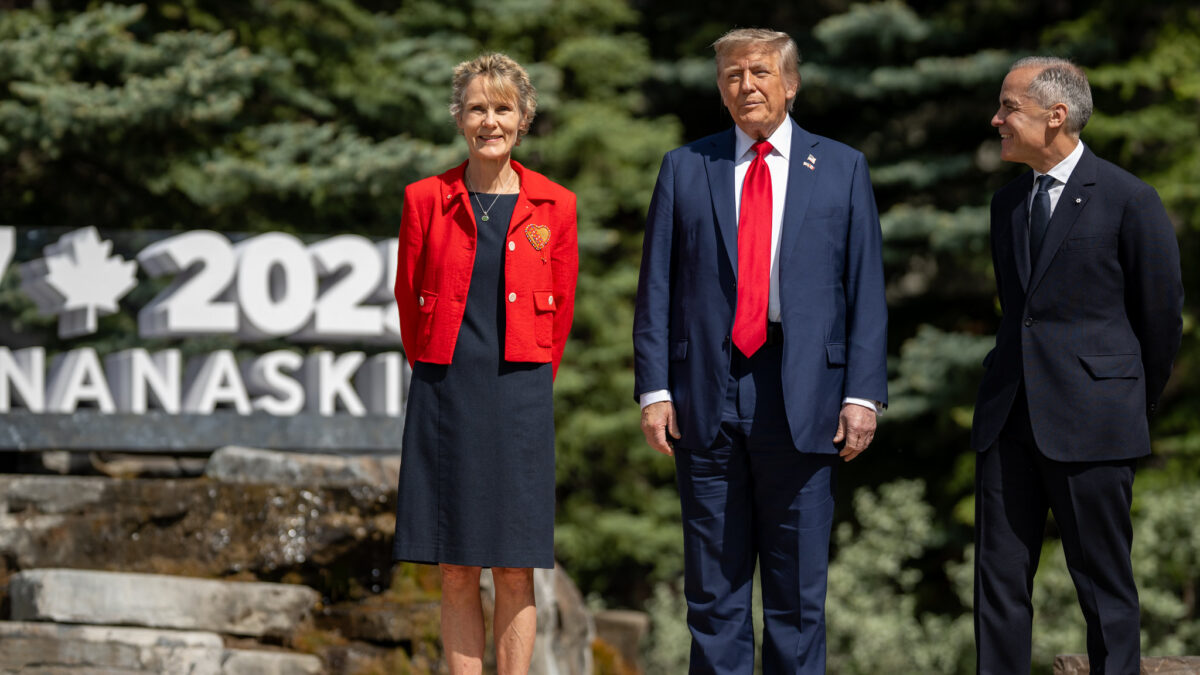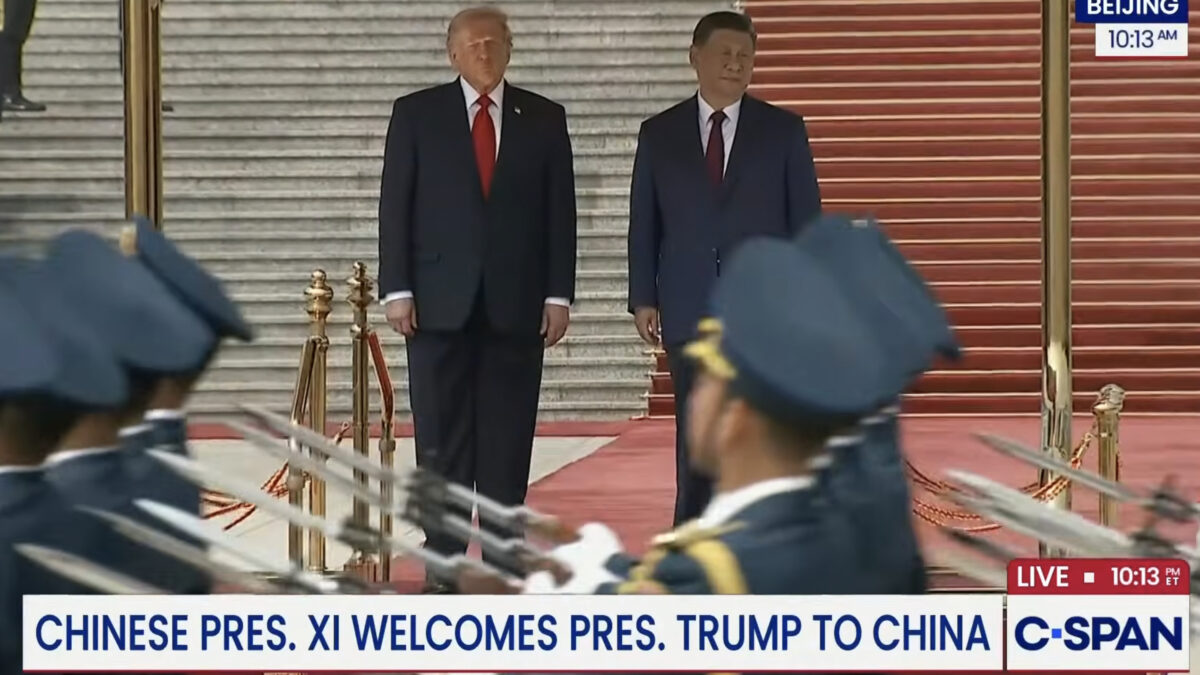
President Donald Trump flies home from China today, and we won’t know what his trip accomplished until we see some tangible outcomes.
In an interview with Fox News anchor Sean Hannity, Trump described a sweeping series of Chinese trade commitments, including a promise to buy American oil, soybeans, and Boeing airplanes.
Early reaction from American industry looks something like an optimistic shrug. “The Chinese are known for making bold political announcements for leverage and optics,” Tim Stewart told The Federalist. Stewart, the president of the U.S. Oil and Gas Association, said a Chinese commitment to American oil would make sense if it actually happens.
“China needs crude,” Stewart said. “We have it. It will cost them more than they have been paying. But they have to get it somewhere.”
With the restriction of the Chinese supply of discounted oil from Venezuela and Iran, Stewart said, “the U.S. is a logical place to turn for product.”
Under those conditions, Stewart concluded, the Chinese promise looks like a positive development, even if the practical details are unclear. “I suspect the trip will ultimately be a success because the U.S. has messaged to China that should they restrict the flow of critical minerals to us, we can restrict the flow of crude from both the Gulf and the U.S. to you,” he told The Federalist.
The Federalist also sought reactions from Boeing and the American Soybean Association, apparent beneficiaries of new Chinese trade commitments, but neither responded in time for publication.
Trump took a long list of American CEOs to China, on the condition that every business leader joining the president for the trip had to have a “tangible ask” for the country: a specific regulatory request or commercial condition they could direct to Chinese leaders. The outcome of those requests will take time to become clear.
Other apparent agreements between China and the United States will also require time to become measurable. Cuba, a significant Chinese client state, has run out of fuel under an aggressive American embargo. CIA Director John Ratcliffe was in Cuba as Trump was in China, negotiating directly with top Cuban officials. No clear outcome has emerged from either set of meetings.
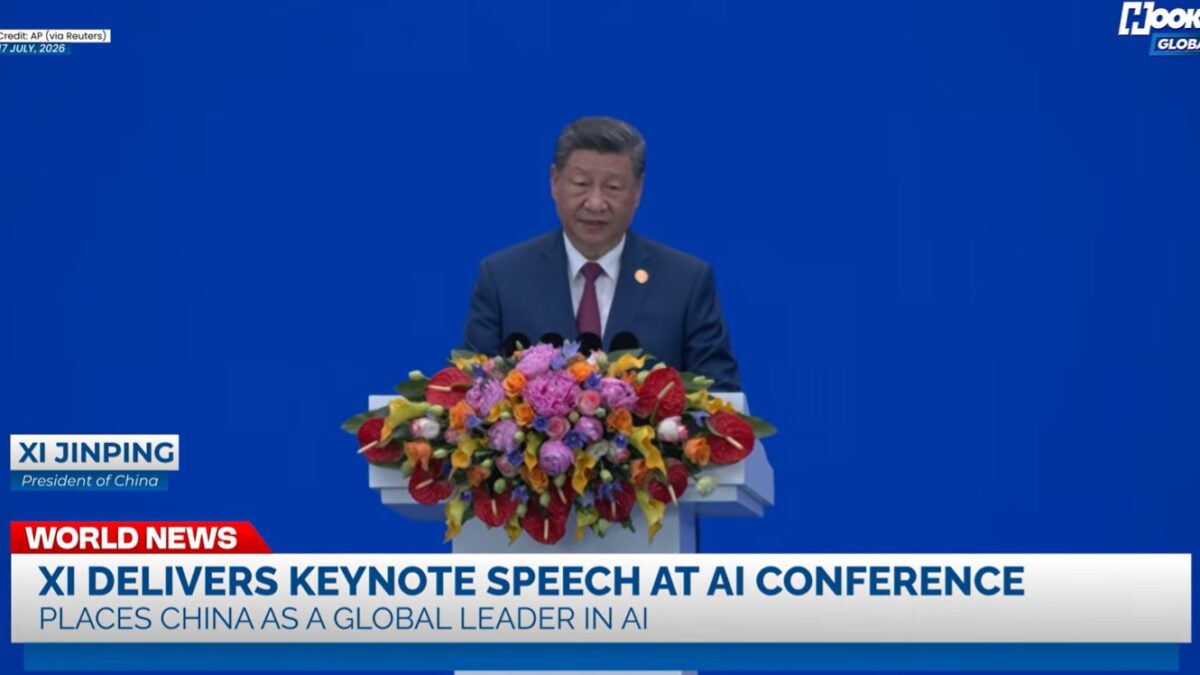
Chinese President Xi Jinping warned Trump that a mishandling of disagreement over Taiwan could result in conflict between China and the U.S., a warning that surprises no one. An American strategic partner and military client, Taiwan regards itself as an independent nation, while the Chinese regard Taiwan as part of China.
Trump also told journalists that Xi promised not to continue selling weapons to Iran. Like the others, that Chinese promise will have to be tested in practice.