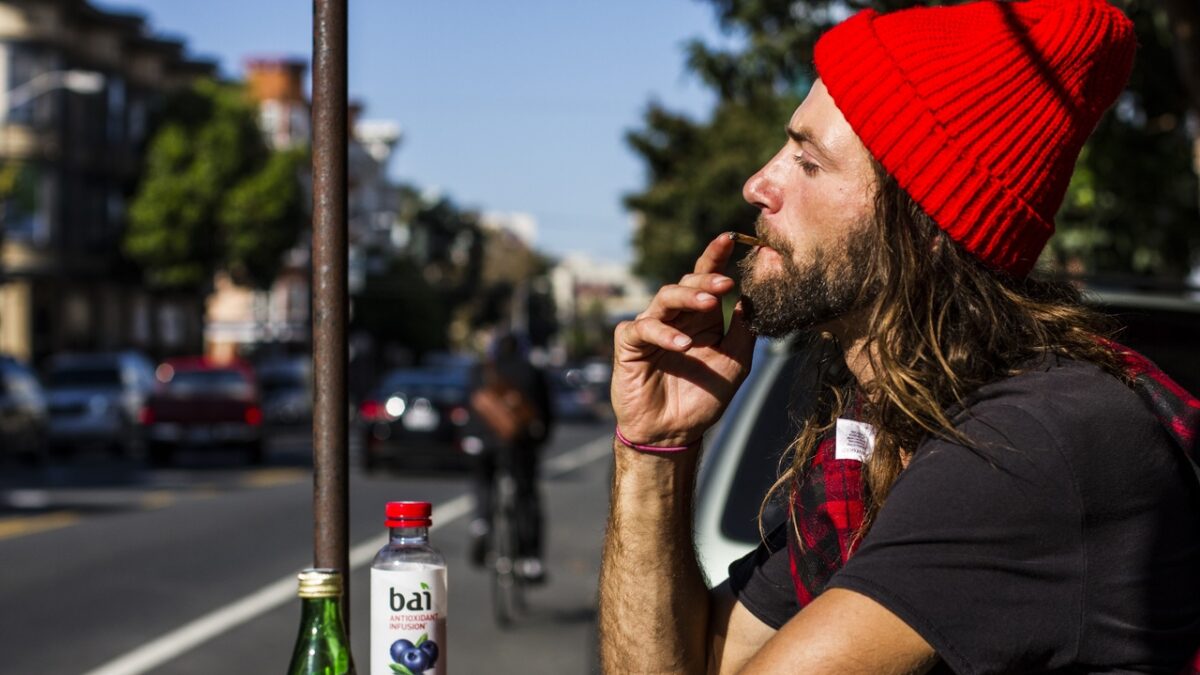

In a recent podcast, Andrew Huberman interviewed Dr. Natalie Crawford, a reproductive endocrinologist. She revealed marijuana use is “hugely detrimental” to sperm production and quality. It’s just the latest in years of research and experience debunking claims that recreational marijuana legalization will benefit society.
Crawford referenced research that shows marijuana consumption diminishes sperm counts and sperm concentration, reduces sperm motility and viability, and inhibits the ability of sperm to fertilize eggs. She also says female partners who conceive with a male who uses cannabis have much higher miscarriage rates than those who do not use.
It seems the gig is up for Big Pot. The biased data behind its approval is being called out by popular podcasters and health experts, and its harms, especially in its modern formulation with high levels of THC, are coming to light.
Killing Fertility, Brain Cells, and State Budgets
States that have legalized recreational pot have a lower total fertility rate than those that haven’t, based on calculations from statistical reports. A 2021 study in Human Reproduction shows cannabis use may be associated with a 41 percent decline in the ability to conceive compared to non-users. Since below-replacement birth rates are an existential crisis across the West that will collapse the economy and society if they don’t improve, this is a massive problem.
A March 2026 meta-analysis shows pot gave “no significant” relief to “anxiety, anorexia nervosa, psychotic disorders, post-traumatic stress disorder.” Quite the contrary. Along with infertility, psychosis and suicidal ideation are among the top health implications of frequent pot usage.
States with legalized recreational pot experience spikes in psychotic and bipolar disorders among young adults. In Massachusetts, legalization has coincided with a threefold increase in psychiatric emergency care among occasional users under 26. A recent Columbia study found much the same rate for depression and suicidality for occasional users and even higher rates for addicts.
A recent Washington Post article highlighted the effects of cannabis use among those over 65. While many elders begin use for sleep disturbances, pain, arthritis, and anxiety, studies show detrimental effects on memory and brain volume. Even The New York Times now acknowledges the “public health challenges” posed by legalized pot.
The cannabis industry has poured millions of dollars into lobbying and biased research to try and hide the truth. According to one meta-analysis, 82 percent of studies were authored by someone with a conflict of interest, and about one-third of the studies received direct cannabis company funding. The cannabis industry invests somewhere between $25 million and $40 million per year on both federal and state-level lobbying, with state pressure being dominant. Those amounts do not include campaign contributions to candidates, Super PAC or ballot initiative spending, or PR expenditures.
Promises Of Tax Revenue Go Up In Smoke
Unfortunately, a lot of damage has already been done. Both the left and the right facilitated greater normalization of marijuana use. The left argued it was a “natural medicine” that promoted creativity and relaxation with minimal side effects. The right, historically obsessed with free enterprise, believed it would become a burgeoning business that would benefit communities through taxation. Both were wrong.
States that promised revenue boons from pot legalization have not reaped the benefits they had hoped. Ironically, in California, legalization helped proliferate the black-market sales of pot, suppressing taxable revenue. In Colorado, after an initial boon that peaked in 2021, revenue has fallen each year since, dropping more than 45 percent. In Oregon, an oversupply and low prices suppressed tax yield, and the revenue proved insufficient to fully fund long-term commitments to public safety and local drug treatment programs. Alaska and Washington follow suit.
Pot legalization initially found success at the polls. In 1996, California legalized medical marijuana through California Prop 215 or the “Compassionate Use Act.” This was a critical turning point. It demonstrated that states could carve out medical exceptions despite federal prohibition.
Sadly, as goes California, so goes the nation. Between 1998 and 2003, Washington, Oregon, Alaska, Maine, Hawaii, and Colorado all enacted medical marijuana laws. By the mid-2010s, most U.S. states had legalized marijuana for medical use, even while federal law remained unchanged.
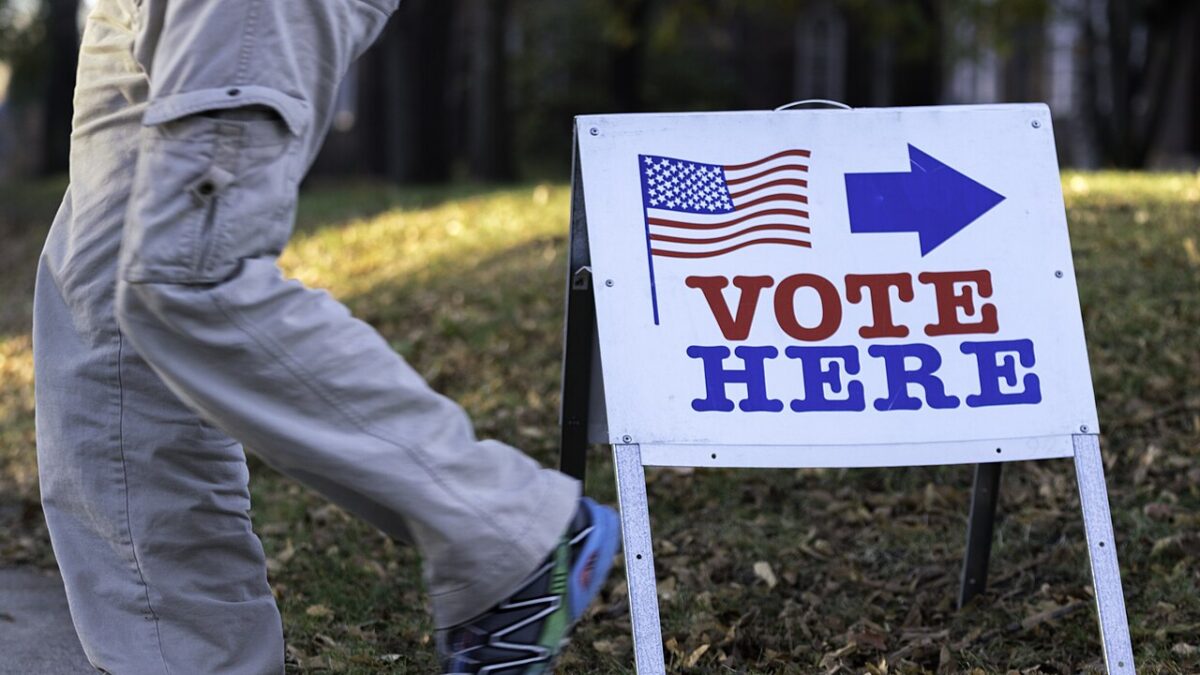
Fast forward to now, when even Republican-controlled states like Ohio, Missouri, and Montana have legalized recreational pot. The Trump administration has proposed decreasing federal regulations on marijuana, moving it from a Schedule I to a Schedule III drug. Percentages of Americans using pot have risen 65 percent since 2015.
Earliest Adopters Now Reversing Course
Some states are rethinking legalization and even reversing course. Massachusetts, which legalized pot in 2014, officially has a ballot initiative that would end recreational marijuana sales statewide, making Massachusetts the closest to a full reversal.
In Maine, state officials approved a citizen initiative for the 2026 ballot that would effectively repeal adult-use legalization. Arizona is undergoing an early-stage repeal campaign started in 2020, while Oklahoma is pushing to roll back medicinal use.
Big Pot, like Big Tobacco of yore, sells marijuana as a healthy choice and hardly addictive. Pot-smokers claim stress and pain relief without any detrimental side effects. The data demonstrates differently, and as with tobacco, the public is catching on.
Sometimes progress is not about pushing boundaries further, but about rediscovering restraint. Decades later, Nancy Reagan’s much-mocked refrain sounds less like fear-mongering and more like foresight. “Just say no” was never about punishment — it was about limits. And America may finally be remembering why limits exist in the first place.