
As the price of oil soars and bombs strike Middle East oil and natural gas facilities, memories of the OPEC oil embargo of the 1970s resurface for many Americans. That crisis was resolved by simply turning the oil spigots back on; this conflict threatens to blow them up. Dramatic changes in U.S. food production and distribution since the 1970s have created an even greater threat that extends beyond Iran.
The United States remains the world’s largest agricultural exporter, but we now import more food than we export, resulting in a record deficit in agricultural trade. Moreover, imports of highly processed foods from China have increased steadily.
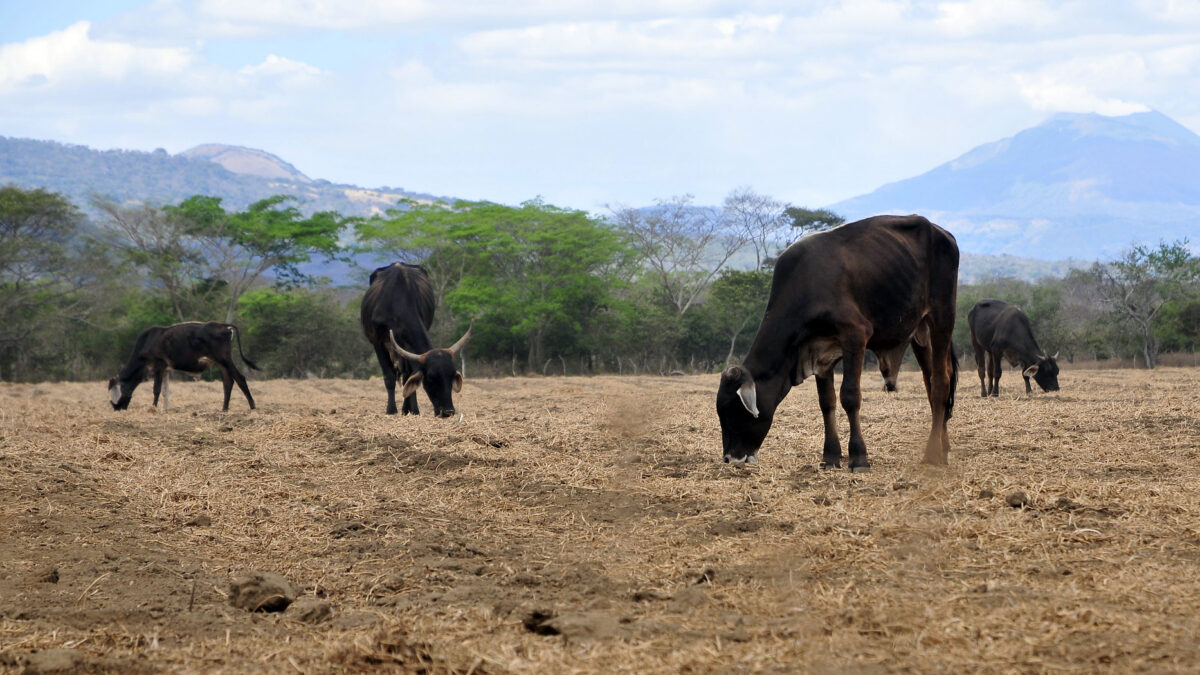
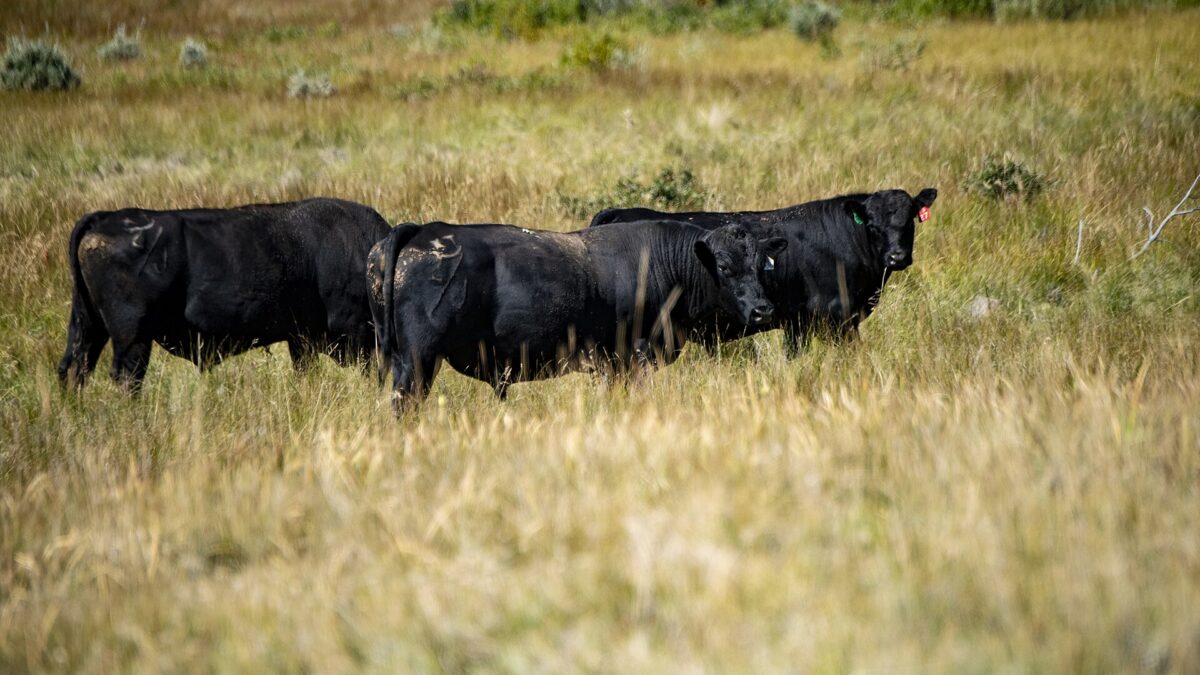
At the same time, U.S. family farms continue to close down or be absorbed by large producers. The U.S. cattle herd is the smallest it has been in 75 years. Suburban sprawl has irrevocably erased large swaths of farmland as foreigners and hedge funds buy up large tracts for solar panel arrays and investment, and our farmers are aging.
Since the 1970s, GMO crops have been developed that are dependent on chemical applications, including synthetic fertilizers. U.S. agriculture has steadily replaced cow manure with energy-reliant substitutes, as globalists push to eradicate all bovines to “save the world” from carbon dioxide. Urea, a synthetic nitrogen fertilizer, is produced using natural gas (aka methane). To further complicate matters, far fewer Americans grow their own food now than in the past. The nation has shifted from self-reliance to corporate dependency — this is not limited to SNAP recipients.
The Covid pandemic revealed the fragility of strained supply lines under crisis. Tractor-trailer trucks move produce and meats much farther distances than when Little House on the Prairie and The Waltons were prime time TV. Today, about half of the nation’s produce is grown in California — then trucked nationwide. Those trucks rely not only on diesel fuel but also on diesel exhaust fluid (manufactured from urea), without which they don’t run at all. In addition, China has instructed exporters there to stop shipping urea and other fertilizers.
Affordable food in America has long depended on cheap fuel. No society has ever enjoyed grocery shelves as plentiful or with as diverse year-round offerings. (Avocados used to be a rare seasonal luxury.) However, the technologies and energy supplies that enabled this abundance create unprecedented vulnerabilities.
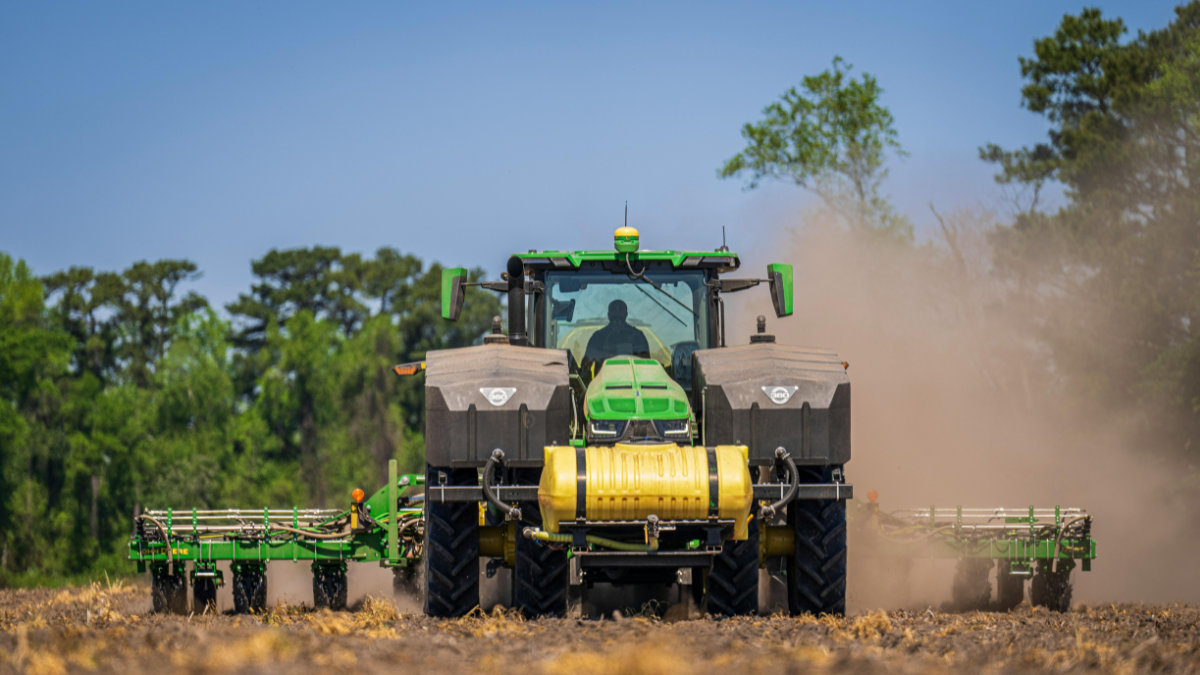
This brings us to the threat posed by the current Middle East conflict. Tractors are bigger than ever, and they drink diesel. Plowing, seeding, spraying, cultivating, and harvesting all consume energy. Drying, processing, refrigeration, and packaging (plastic is derived from petroleum) all require energy. Then there is the trucking issue — a constant, dizzying just-in-time inventory network supplies all our basic nutritional needs.
Behind all that impressive “progress” still lurks the ancient human dependency on the soils, plants, and livestock that modern America has become increasingly distanced from. Rural communities have shrunk while urban centers have swollen. The U.S. population was about 220 million in 1975; now it exceeds 340 million, an increase of more than 50 percent in five decades.
It may be that America rebounds from the Iran crisis favorably and without sustained pressure on oil and gas prices. Yet other threats lurk that could quickly create shortages of far more important items than toilet paper. The Strait of Hormuz is a major shipping route for fertilizers — about a third of the world’s supplies, including about half of the world’s supplies of the nitrogen fertilizer urea, pass through those troubled waters. About 20 percent of global supplies of liquid natural gas (the primary ingredient in urea production) also pass through the Strait of Hormuz. So it’s no surprise that urea prices have risen by as much as 50 percent since the Iran conflict began,
The disruption in Iran exposes the myriad risks to this food production system. A foreign attack using an electromagnetic pulse (EMP), nuclear bomb, or terror cells could disrupt this finely tuned supply chain far more profoundly than a pandemic. Social disruption, a financial collapse, rapid inflation, or another disease outbreak could quickly wreak more havoc than was seen a few years ago (which left grocery prices 20-30 percent higher).
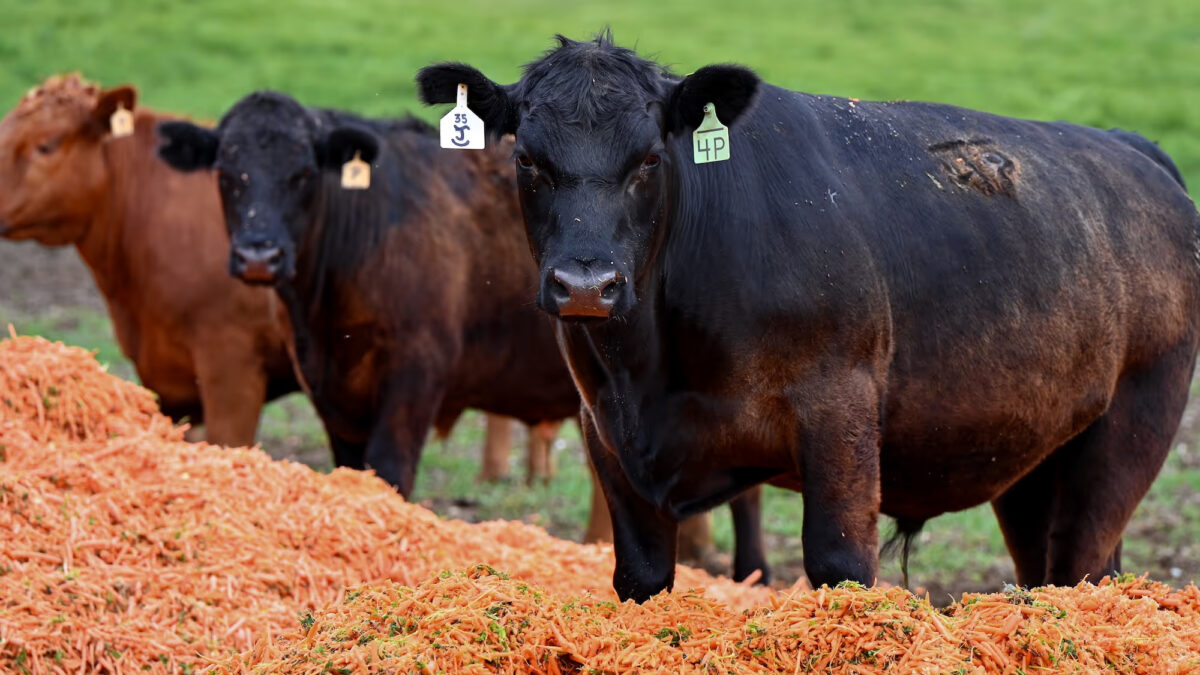
Now is the time to reform U.S. agricultural and food policy. The new food pyramid requires healthier, locally produced foods, not ever more imported junk. The nation’s cattle herd must be replenished even as consumers demand more steaks and burgers.
America’s energy-dependent food supply is highly vulnerable to a global spike in oil prices and to many other potential disruptions. The Iran conflict is a wake-up call to Americans to stop taking their farmers and food supplies for granted. The threat is not merely rampant food inflation. One day, a national crisis may prevent millions of Americans from obtaining any food at all.