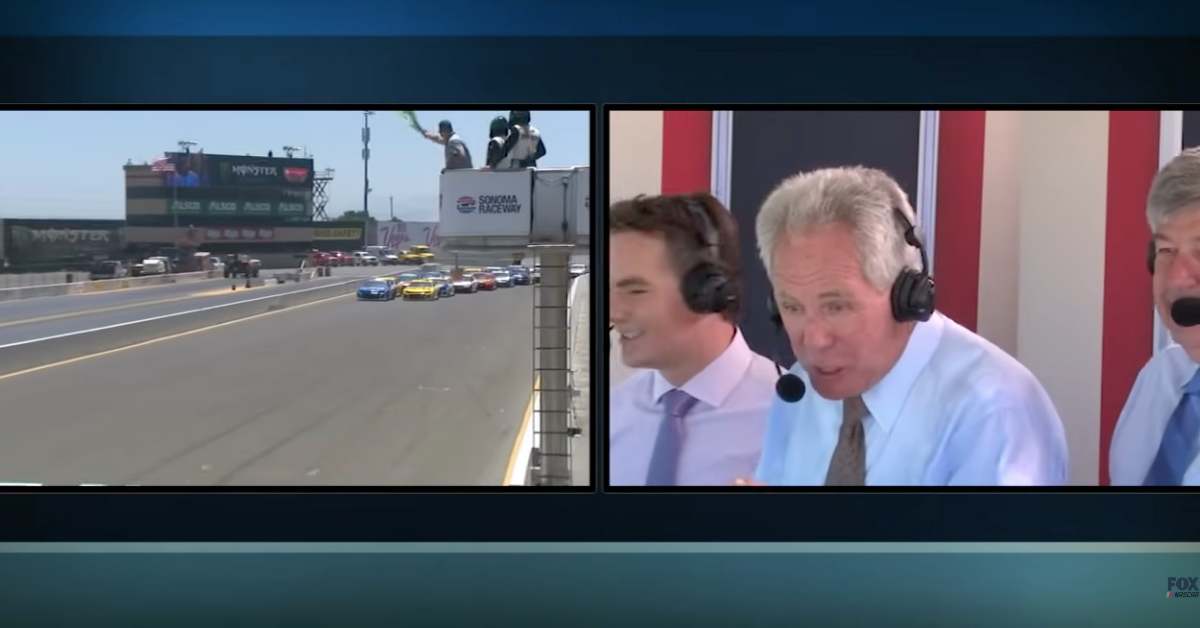
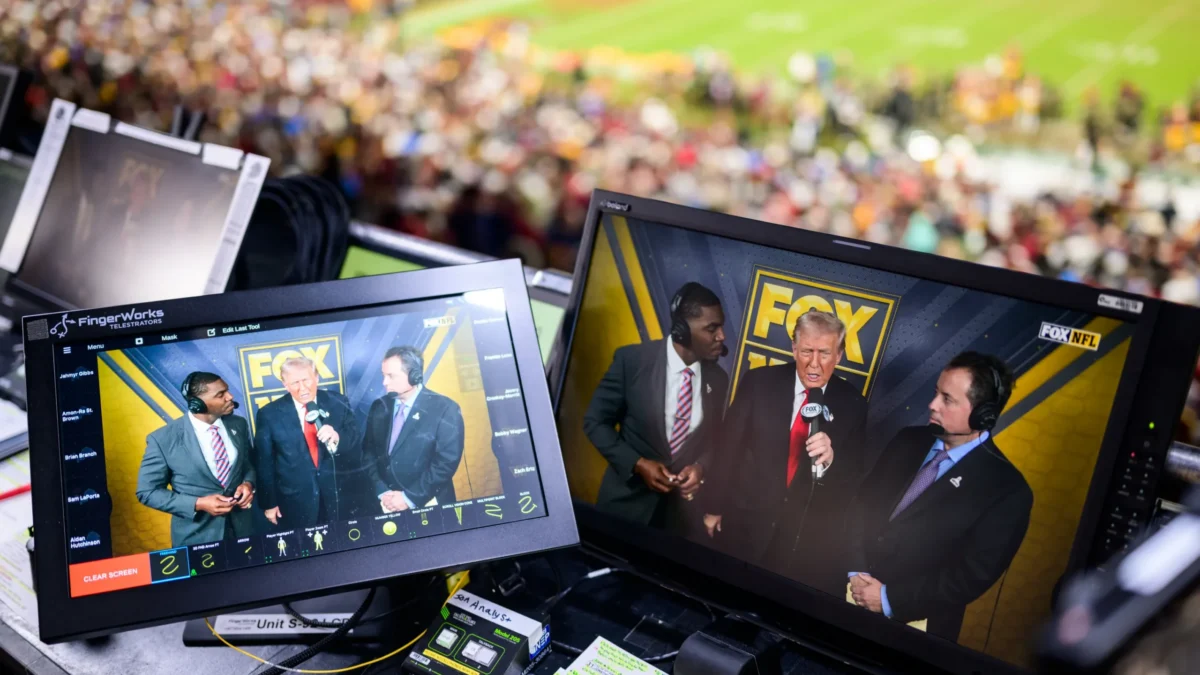

Nearly two years ago, I wrote in these pages about how the National Football League had put profits over fans by selling its broadcast rights to an ever-multiplying panoply of over-the-air and streaming services. It turns out the NFL has not only made life unduly complicated and expensive for fans, but it may have violated federal law in the process.
The Wall Street Journal recently reported that the Justice Department has opened an antitrust investigation into the NFL’s negotiating tactics for its broadcast rights. Amid a broader “affordability” debate in Washington, it highlights ways in which policymakers can shift the debate, without creating another big-government bureaucracy, to benefit fans in tangible ways.
Football’s Special Privileges
Regarding the Justice Department antitrust inquiry, the Journal noted that the specific “nature and scope of the investigation couldn’t immediately be learned.” But the article also noted an important point: “The Sports Broadcasting Act, passed in 1961, grants the league limited antitrust protection that allows teams to collectively negotiate packages of TV rights.”
Candidly, I didn’t know about the application of federal law to sports broadcasting when I wrote my article in 2024. Doubtless, most fans don’t connect the two either. But that law explains why NFL games don’t air on Friday night or Saturday from early September through mid-December; Congress specified that the antitrust exemption wouldn’t apply if the NFL tried to undercut high school or college football games.
While the Sports Broadcasting Act applies to all professional sports leagues, it applies most directly to the NFL. Pro football has a 17-game regular season that makes it easy for over-the-air networks to broadcast all NFL games, resulting in a national rights package negotiated by the league. By contrast, the multiplicity of games played by leagues like the National Basketball Association (82) or Major League Baseball (162) means that most of their games air on cable networks and are negotiated locally by individual teams.
In March, Sen. Mike Lee, R-Utah, wrote to the Justice Department and the Federal Trade Commission asking them to investigate the NFL’s behavior: “To the extent collectively licensed game packages are placed behind subscription paywalls, these arrangements may no longer align with … the consumer-access rationale underlying the antitrust exemption.”
But Congress has a role to play in this debate too. If the NFL is abusing its market position — i.e., siphoning off portions of its broadcast rights to myriad streaming services, which can then charge fans multiple times to see all of a given team’s games over the course of a season — then why don’t lawmakers just repeal the special carve-out the league currently receives? It’s something that, at a minimum, lawmakers should examine, including by hauling NFL executives in for publicly televised hearings on the subject.
Why Not Boycott?
Regardless of whether its investigation leads the Justice Department to file an antitrust suit, consumers can, of course, take action themselves against both the NFL and other sports leagues that have deliberately crafted complicated (not to mention costly) sports broadcast rights offerings. As passionate as people are about their sports fandom, no law requires them to watch every team game, particularly when doing so costs an arm and a leg.
When Formula One migrated from ESPN to Apple TV beginning with this season, I decided to save my time and money and stop tuning in to races. (As it happens, the farcical nature of the series’ first few races, thanks to a new energy-efficient engine package, vindicated my decision.) Ditto with other races or football games that have moved from over-the-air to streaming services. My response is simple and uniform: “Thanks, but no thanks.” Sports leagues should have to chase my business rather than me chasing them all around the proverbial dial.
But fans have a collective action problem. As frustrated as they are with the fragmented sports media landscape, they may not know whom to target. An unorganized group that fails to target the same entities and publicize what they are doing may not have much effect.
That’s where President Trump and/or other public personalities can come in. They can try to organize an inchoate frustration into specific action — i.e., boycott X league or Y broadcaster to bring about Z outcome regarding sports media rights.
It’s such a good idea that no one’s done it, but they should. Using the bully pulpit wouldn’t involve bringing the heavy hand of government down on the leagues so much as organizing a countervailing power (i.e., fans) and letting market pressure do the work.
The ongoing conflict in Iran has consumed much of Trump’s time and focus lately. But given justifiable angst in Republican and conservative circles about voters’ cost-of-living concerns ahead of the November midterm elections, he and congressional Republicans could do worse than to try to jawbone the NFL and other sports leagues to give suffering fans a break in the pocketbook.