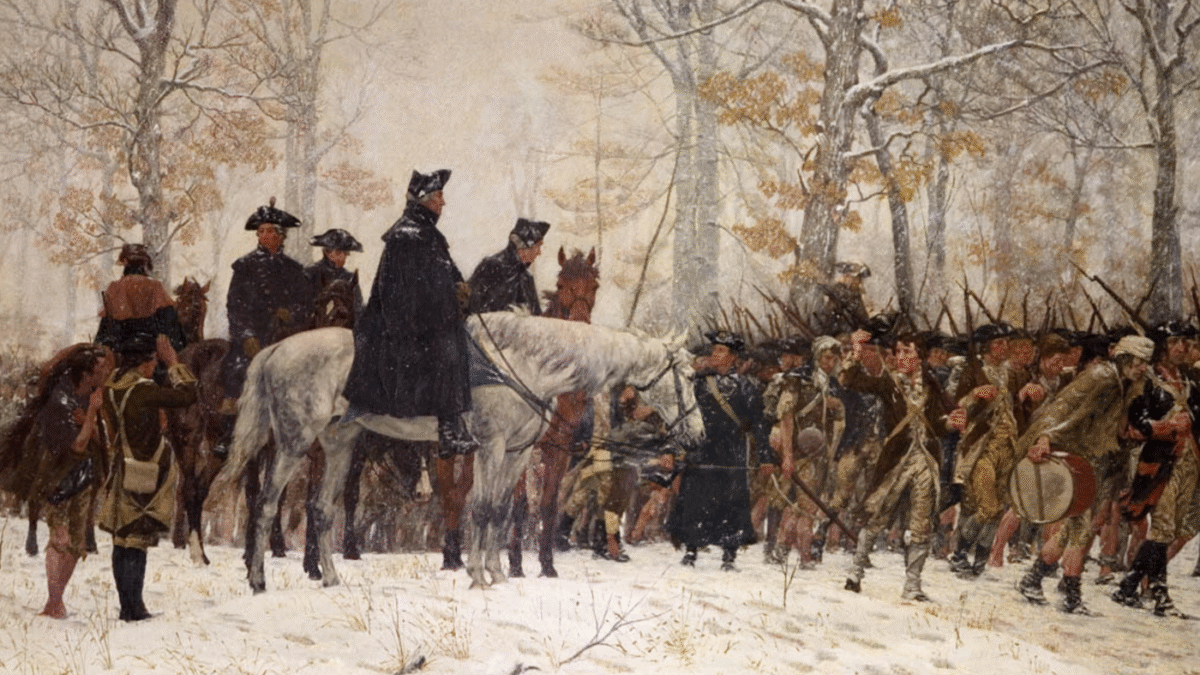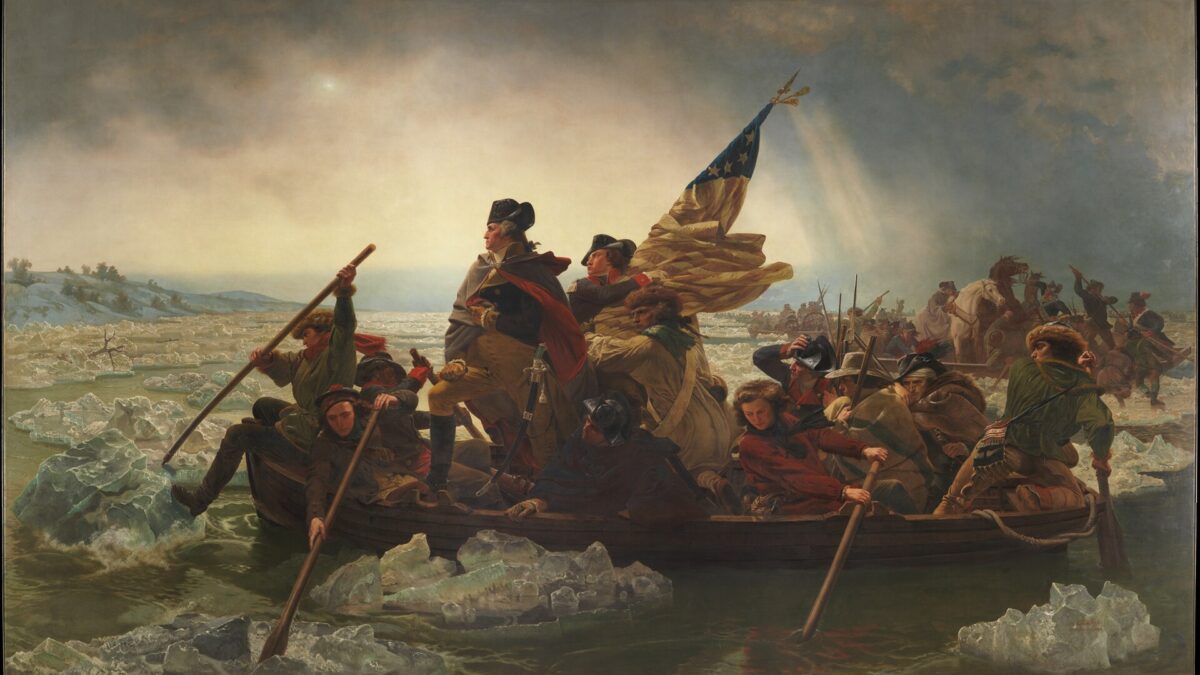

As Americans celebrate the Quarter-Millennial anniversary of American independence, it is an especially appropriate time to honor our nation’s founders — particularly the founder to whom the United States of America owes its greatest debt, George Washington. In this vein, one overdue action that Congress should take is to change the federal holiday designated in Washington’s honor to make clear that it is, in fact, a holiday in his honor.
Doing so would require only a minor legislative tweak: changing the date of the holiday currently known as “Presidents’ Day” from the third to the fourth week of February — or, better yet, to the Monday closest to Washington’s birthday.
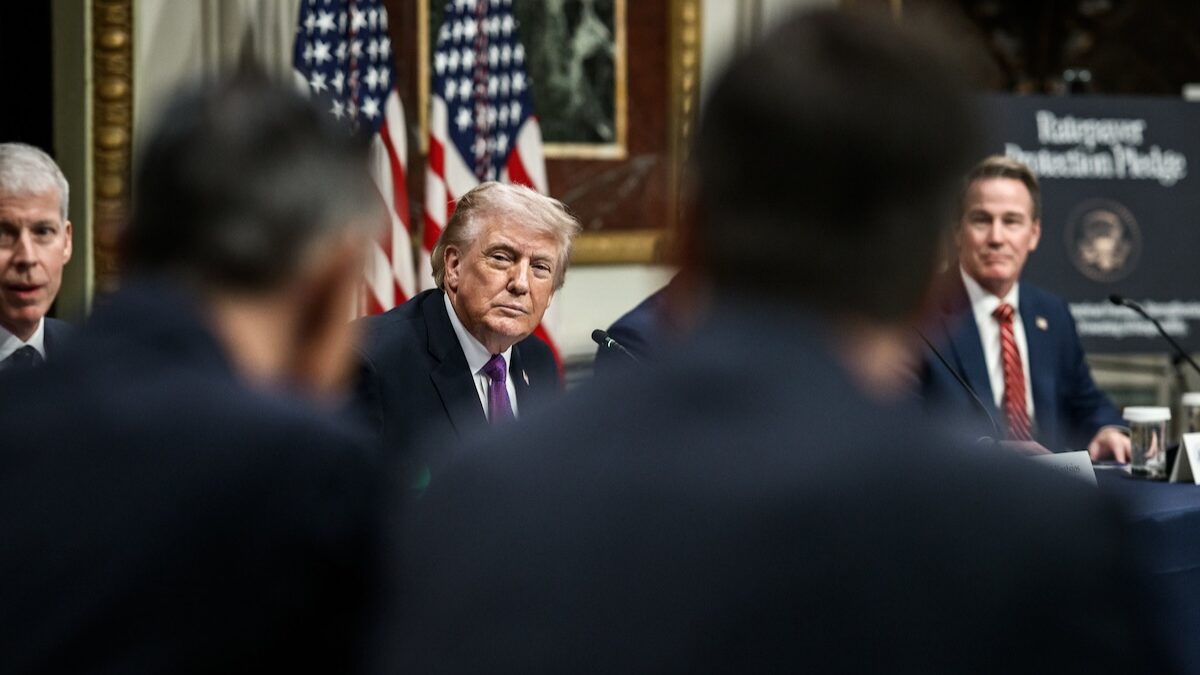
Contrary to popular belief, the federal holiday that will be celebrated this Feb. 16 is not “President’s Day,” at least not officially. The true name of the holiday, per federal law and the Office of Personnel Management, is “Washington’s Birthday.” The problem is that the holiday never actually falls on Washington’s birthday (Feb. 22), so it doesn’t appear to honor him.
Even when Feb. 22 falls on a Monday, the holiday still isn’t observed on that day. In 2021, Washington’s actual birthday fell on Monday, Feb. 22. The holiday, however, was observed a full week earlier. Under current law, the same thing will happen again next year: Washington’s birthday will fall on Monday, Feb. 22, but that day won’t be observed as a federal holiday. Instead, rather inexplicably, we’ll celebrate the day after Valentine’s Day.
This is not how it works for any other federal holiday. In 2024, the Birthday of Martin Luther King, Jr. (the official name of that holiday) was celebrated on King’s actual birthday — Monday, Jan. 15 — just as it was in 2018 and will be again in 2029. This year, Columbus Day will fall on Monday, Oct. 12, the 534th anniversary of the historic arrival of Christopher Columbus’s ships in the Americas. Among all federal holidays, only Washington’s Birthday is never celebrated on its actual date.
A federal holiday hardly feels like it is honoring an event if it never actually takes place on the date of that event. It’s no wonder, then, that most Americans don’t associate the Washington’s Birthday holiday with Washington’s birthday and instead resort to calling this vague holiday “President’s Day.”
It used to be that Americans celebrated Washington’s birthday on Feb. 22. In 1832, according to the Congressional Research Service, “Congress established a Joint Committee to arrange for national parades, orations, and festivals in commemoration of the centennial of President Washington’s birth.” Thirty years later, President Lincoln issued a proclamation in the midst of the Civil War, declaring that the upcoming Feb. 22 would be a day for the American people to “assemble … and celebrate the anniversary of the birth of the Father of his Country by causing to be read to them his immortal Farewell Address.” Another 17 years later, in 1879, Congress made Washington’s Birthday a federal holiday in Washington, D.C., to be celebrated on Feb. 22 each year. It was expanded to include all federal workers in 1885.
That lasted for the better part of a century. Then, in 1968, Congress passed the Uniform Monday Holiday Act, which decreed that some federal holidays would always be observed on Mondays in order to create more 3-day weekends. That act, which went into effect in 1971, changed the observed date of Washington’s Birthday from Feb. 22 to the third Monday in February. As the National Archives notes, “Ironically, this guaranteed that the holiday would never be celebrated on Washington’s actual birthday, as the third Monday in February cannot fall any later than February 21.”
In other words, Washington’s birthday is always during the fourth week of February, while “Washington’s Birthday” (the observed holiday) is always during the third week of February. As a result, we haven’t celebrated Washington’s birthday on its actual date since 1970 — 56 years ago.
Lost Meaning
This mismatch may have been deliberate on the part of the bill’s sponsor, Florida Democrat Senator George Smathers. Political Science Professor John T. Woolley, writing for the American Presidency Project, observed that Smathers “stated in Senate Hearings that his preference was that ‘Washington’s Birthday would be changed to Presidents’ Day, to honor not only our first President but all of our Presidents.’” Placing the holiday on the wrong date gradually achieved that de facto result in the public consciousness.
Woolley adds that during the 1967-68 congressional debates, Tennessee Representative Dan Kuykendall made this “keen prediction”: “If we do this, ten years from now our schoolchildren will not know what February 22 means. They will not know or care when George Washington was born. They will know that in the middle of February they will have a 3-day weekend for some reason. This will come.”
Others wanted the holiday to honor both Washington and Abraham Lincoln. While Lincoln certainly merits a federal holiday, 56 years of experience make clear that a holiday that always falls between Lincoln’s and Washington’s birthdays, never landing on either, doesn’t really serve to honor either man. Instead, such a holiday simply loses most of its meaning.
It’s strange in a republic, where laws are passed by the chosen representatives of the people, to have a holiday widely known by the somewhat monarchical-sounding name of “President’s Day.” It’s perhaps stranger still to have a holiday that seems to honor James Buchanan, Jimmy Carter, and Joe Biden as much as the men on Mount Rushmore. Far better to reclaim the holiday for Washington, the man for whom it has always been named.
Reclaiming Washington’s Birthday
Ideally, the Washington’s Birthday holiday would be observed on Washington’s actual birthday, regardless of the day of the week on which it falls. Given widespread (and understandable) public enthusiasm for 3-day weekends, however, such a proposal would likely have insufficient support. What should have widespread support is simply moving the holiday to the fourth week of February, the week in which Washington’s birthday actually takes place. This would have the added advantage of creating a little longer gap between the Birthday of Martin Luther King Jr. and Washington’s Birthday, as those two holidays now come in rather close succession.
Better yet would be to have Washington’s Birthday be observed on whichever Monday is closest to his actual birthday, making the holiday fall on a Monday between Feb. 19 and Feb. 25 each year. But having it occur on the fourth Monday of February (so, sometime between Feb. 22 and Feb. 28) would be a vast improvement over the status quo and would reclaim the holiday for Washington, the man whom it is ostensibly honoring. If there are members of Congress who don’t want “Washington’s Birthday” to honor George Washington, let them go on record as saying so.
Interestingly, the first time that Lincoln ever set foot in Philadelphia’s Independence Hall, it was, in his words, “upon the birthday of the Father of his Country … that beloved anniversary connected with the history of this country.” That was on Feb. 22, 1861, the day before Lincoln would arrive in Washington and just ten days before he would deliver his First Inaugural Address. While inside Independence Hall, on the 129th anniversary of Washington’s birth, he said, “I am filled with deep emotion at finding myself standing in this place.”
On Washington’s birthday in 1980, 119 years after Lincoln spoke those words, the USA Olympic hockey team shocked the world by defeating the mighty USSR, 4-3, in Lake Placid. Feb. 22 seems to be a day on which God’s providence has uniquely shone upon America.
George Washington surely shouldn’t have to share a holiday with the other 44 men who have held the presidency. When interviewing Ken Burns shortly before the release of his recent documentary, The American Revolution, I asked, “[W]hat individual would you say comes off as the greatest hero?” Burns immediately replied, “Oh, without a question, it’s George Washington.” He added:
“We don’t have a country without him. … He knows how to defer to Congress. He knows how to inspire people in the dead of night. He knows how to pick subordinate talent. … And then you’ve got the most spectacular thing of all, which is, twice, ceding his power. And so, you know, he’s it.”
Such a man deserves to be honored with a holiday that doesn’t always fall on the wrong date.
During this Quarter-Millennial year, Congress should take action to make sure that next year, in 2027, Washington’s Birthday will be celebrated on Monday, Feb. 22 — not a full week earlier. On behalf of the American people, it’s time for Congress to reclaim Washington’s Birthday for George Washington. It’s time for us to celebrate the birthday of the man who made the United States of America possible, rather than observing a nebulous day that doesn’t represent much of anything.