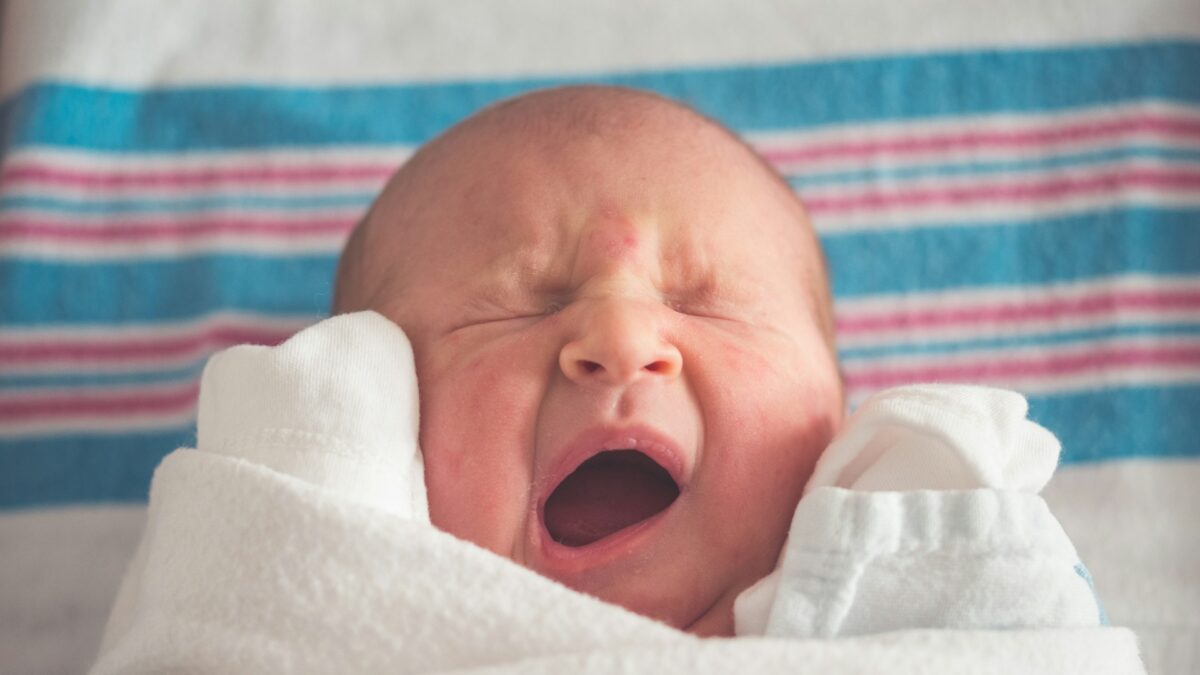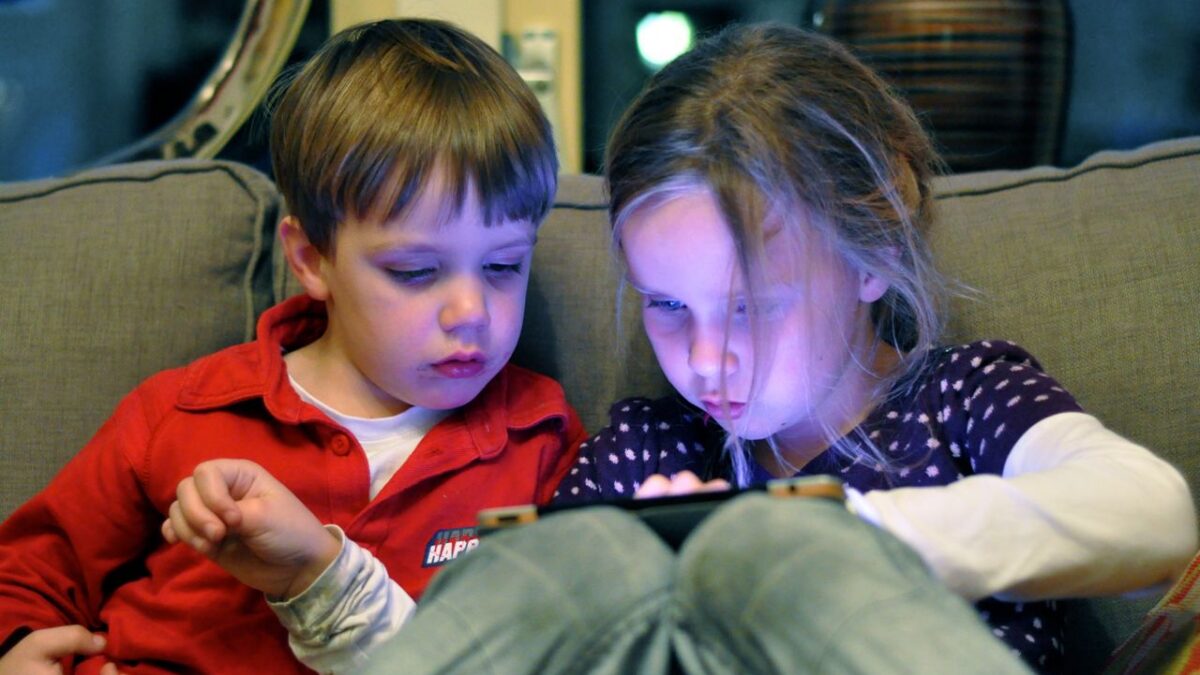

A Sky News report made the rounds recently with a detail that should genuinely stop parents in their tracks: nearly a third of kids starting school don’t know how to use a physical book. Some of them try to swipe the pages like an iPad. Teachers also say close to 30 percent of kids can’t eat or drink independently, and about a quarter aren’t toilet-trained when they show up on day one.
This isn’t a quirky “kids these days” anecdote. It’s a flashing warning sign about the environments young children are growing up in — and about how much we’re pretending that environment doesn’t matter once they’re all dropped into the same classroom.

Kids don’t develop in a vacuum. They absorb everything around them. Habits. Energy. Expectations. Attention spans. Behavior. If a child spends his early years mostly interacting with screens rather than people, or being managed rather than encouraged toward independence, that shows up fast. And it doesn’t magically disappear because a teacher now has a class roster and a lesson plan.
What’s wild is how normalized this has become. Teachers are now expected to handle not just reading readiness or basic numeracy, but things that used to be taken for granted for kids at the age to start school: holding a book, feeding yourself, using the bathroom, and sitting still for a few minutes. That changes the entire dynamic of a classroom. Time that could be spent learning gets eaten up by managing basics. Expectations drop, and everything slows down.
Yet when parents notice this and start making different choices (ahem: homeschool), the response is almost always the same: But what about socialization? As if “being around other kids” is automatically good, regardless of who those kids are, what they’re learning, or how they behave.
A friend’s dad has a blunt saying: “F-cked up people f-ck you up.” It’s crude, but adults know exactly what it means. We don’t choose our workplaces, neighborhoods, or friend groups randomly. We know our environment matters. We know the people we spend time with influence how we think, act, and function.
Somehow, we’re supposed to forget all of that when it comes to our kids.
If your child spends most of his waking hours in a classroom where a large chunk of the kids are developmentally far behind — can’t regulate their behavior, can’t function independently, can’t engage with basic materials — that environment shapes your child too. Teachers have to teach to the middle or the bottom. Lessons slow down. Chaos becomes normal. And kids who might otherwise be thriving learn very quickly what the baseline expectation is.
That’s not kindness. It’s just reality.
This doesn’t mean struggling kids are bad kids. It doesn’t mean they don’t deserve support. It means that a one-size-fits-all classroom has real tradeoffs, and pretending otherwise doesn’t make those tradeoffs disappear. Parents are allowed to look at that and say, “Actually, this might not be the best situation for my child.”
That’s where homeschooling — or selective schools, or co-ops, or smaller learning environments — comes in. And here’s the part people get wrong: the “socialization” in these settings isn’t a bug. It’s the feature. You’re intentionally choosing who your child spends time with and what kinds of norms they absorb. You’re curating an environment instead of outsourcing it.
Socialization isn’t about sheer volume. It’s about quality. Kids learn social skills by being around other kids who are learning, cooperating, communicating, and growing — not by marinating in dysfunction and calling it exposure.
By middle and high school, everyone can see this clearly. Peer groups matter enormously. Behavior spreads. Attitudes spread. Motivation spreads. The groundwork for that doesn’t suddenly appear at 13; it’s laid early, through years of daily environment.
Parents shouldn’t apologize for being selective, and it’s not elitist to care. They shouldn’t feel guilty for wanting their kids in spaces where independence is expected, curiosity is normal, and basic life skills aren’t treated as optional. They shouldn’t be bullied into pretending all environments are equally good just because saying otherwise makes people uncomfortable.
Your kid will rise — or sink — to the level of the environment they’re in. Carefully choosing that environment isn’t selfish. It’s parenting.
This article is republished with permission from the author’s Substack, The Mom Wars.