
This November, voters in five states will decide more than who governs for the next two or four years. They will decide what rules will govern the 2028 presidential election.
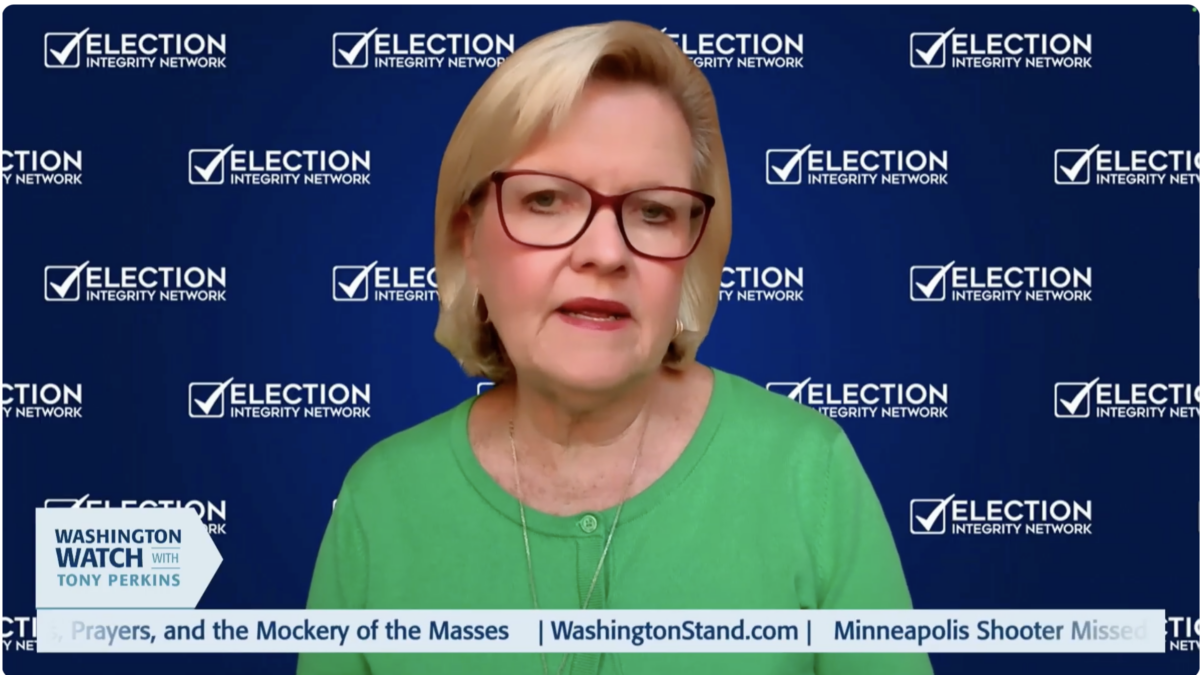
That’s a key takeaway from a new report by Honest Elections Project Action (HEPA) on the stakes of this fall’s state legislative and gubernatorial elections. Published this week, the compelling analysis underscores how the outcome of these races will determine the integrity of elections in 2028 and beyond.
“With several states on the cusp of gaining trifectas, voters need to be aware of the radical agenda that Democrats will undoubtedly push, as demonstrated in Virginia, should they sweep in state legislatures,” Honest Elections Project Executive Director Jason Snead said in a statement. “Republican states have taken steps to ensure honest and fair elections for both parties, but every Democratic state trifecta has allowed lax voter regulations that create undue risks for fraud and damage public trust in outcomes. Americans from every state deserve fair and honest elections no matter what political party is in power.”
The HEPA report emphasizes the role state governments will play in shaping election laws for years to come. Not only will these governors and legislatures decide whether their elections are safeguarded by voter ID and other secure voting practices, but they’ll also preside over redistricting and Democrat-led efforts to subvert the Electoral College.
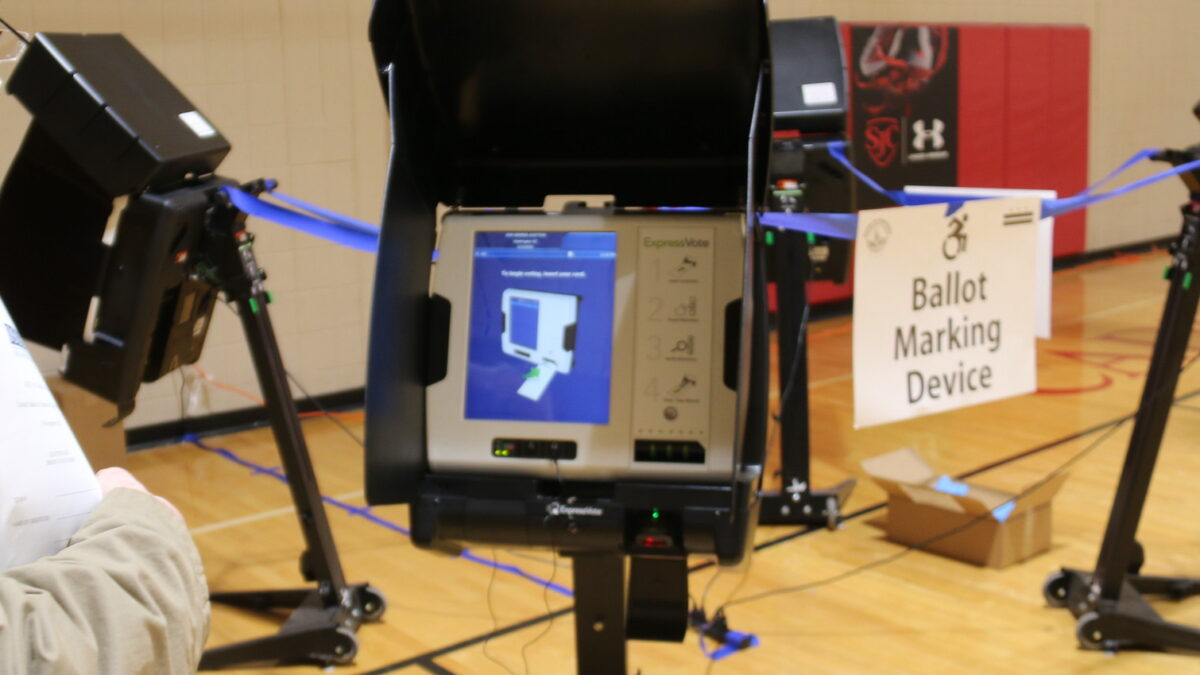
To paint a contrast between the parties, HEPA details how election-related bills passed by Republican trifectas during 2026 state legislative sessions focused heavily on “the fundamentals of secure elections.” This included advancing laws focused on proof-of-citizenship and eligibility to vote, cleaning voter rolls, enhancing voter ID requirements, and banning ranked-choice voting.
When it came to Democrat trifectas, however, the exact opposite occurred. The election integrity group notes how these leftist-run states passed laws promoting insecure mail-in voting practices, automatic voter registration, limiting “the use of citizenship data,” and implementing “fresh curbs on voter list maintenance.”
“Democrats defend each move in isolation as improving ‘access,’ but together they add up to a coordinated anti-election integrity agenda designed to tilt the playing field for pure political advantage,” the report reads.
[READ: Election Integrity Warrior Cleta Mitchell Drives The Left Crazy]
HEPA makes a point of highlighting that five states with gubernatorial and state legislative elections — Arizona, Michigan, Nevada, Pennsylvania, and Wisconsin — are also key battlegrounds that will determine the winner of the 2028 presidential election. Should Democrats win trifecta control of them in the midterms, the group warns, it “would mean California- and Virginia-style voting ‘reforms’” — many of which plagued the contested 2020 election — in these states for the next several elections.
HEPA’s analysis also emphasizes how other areas of federal importance are on the ballot this November.
States will have control over potential mid-decade redistricting efforts. Several states have redistricted their congressional maps within the past year in light of the Supreme Court’s Callais decision, which prohibited the use of race in the process.
Also at issue is Democrats’ National Popular Vote Interstate Compact, “whose members pledge to award their presidential electors to the winner of the national popular vote rather than their own state’s result.” The compact, which “purportedly takes effect at 270,” is 48 electoral votes shy of its goal, meaning that new Democrat trifectas in the aforementioned battlegrounds would give its supporters the numbers they need to “finish the job before the 2028 presidential election.”
“The pattern is not subtle. One side spent the year making it harder to cast an ineligible ballot and easier to keep the rolls clean. The other spent it dismantling those protections and enlarging the electorate on terms of its own choosing,” the HEPA report concludes. “When voters head to the polls this November they will be voting for more than governors and senators — they may well decide the future of free and fair elections in America.”
For more election news and updates, visit electionbriefing.com.