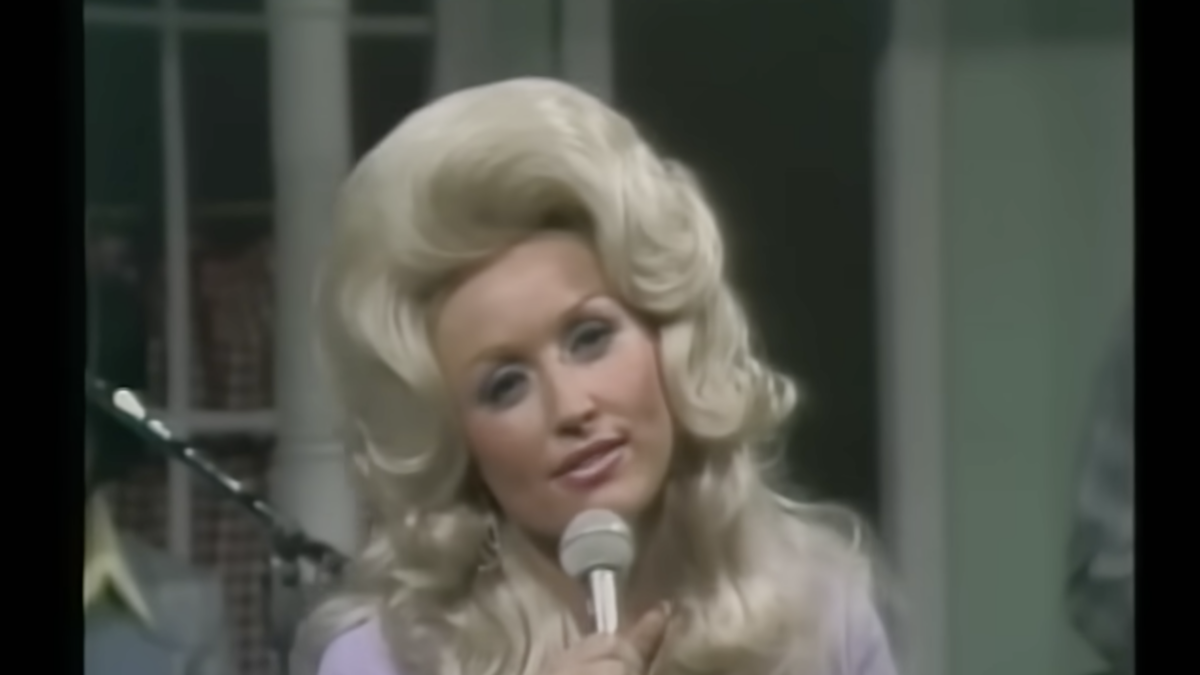
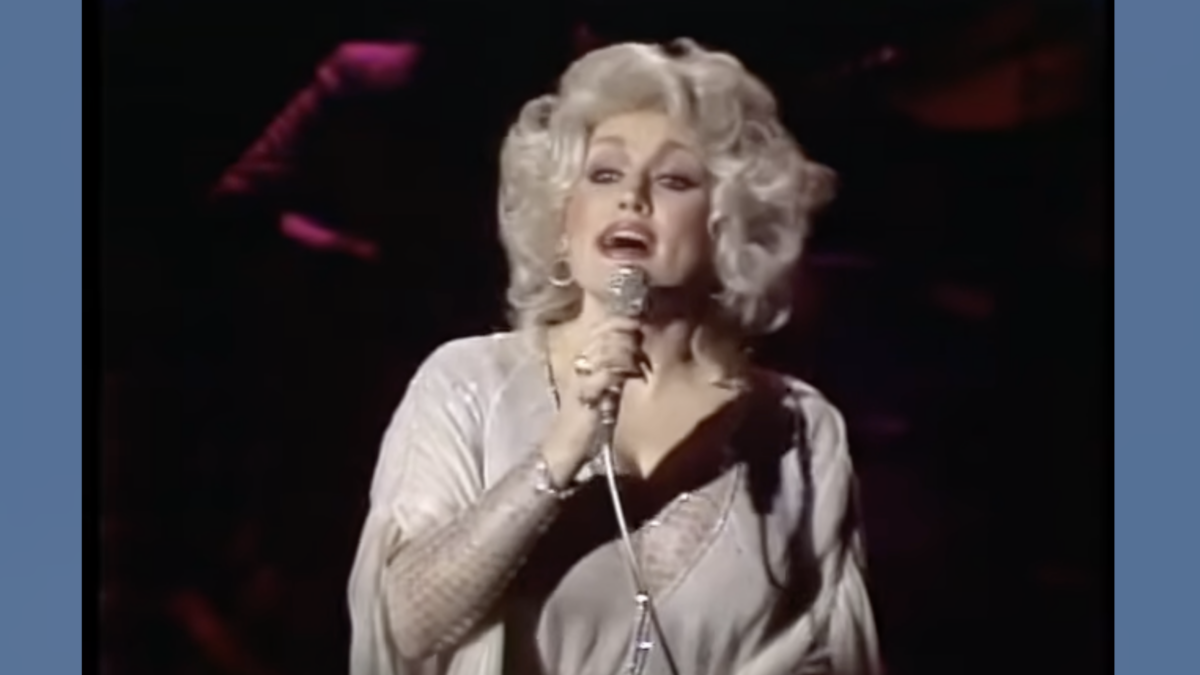

The great and iconic Dolly Parton passed away Tuesday at the age of 80, leaving behind a legacy of music that feels impossible to summarize.
Feeling heartbroken? Listen to “I Will Always Love You.”
Feeling in love? “Islands in the Stream.”
Feeling empowered? “9 to 5.”
It felt like she somehow had a song for everything. And remarkably, even that wasn’t what made her so special.
There are songs Parton wrote and performed, and then there are songs she didn’t write but made her own. No matter whether she wrote it or simply performed it, Parton did what many artists can’t. That is, she channeled deep emotions and sang them with such sincerity. She didn’t just have catchy tunes; she had a raw, deep, and real genuineness in her voice that could captivate anyone, anywhere.
Perhaps no song better shows that than “I Will Always Love You.”
When trying to figure out how to tell her business partner that she was going to pursue a solo career, Parton came up with the idea to write it to him in a song.
“How am I going to make him understand how much I appreciate everything, but that I have to go?” Parton reportedly said. “I thought, well, what do you do best? You write songs. So I sat down and I wrote this song.”
While the song is often synonymous with Whitney Houston, whose rendition became one of the bestselling singles of all time, “I Will Always Love You” will always belong to Parton. And for what it’s worth, her version is the best version, and not because she wrote it, but because the emotional sincerity in her voice cannot be replicated even by a legend like Houston. There was something raw and vulnerable in Parton’s voice that even Houston couldn’t recreate.
It was a career-defining song, so much so that a favorite tidbit of mine is that the King, Elvis Presley, wanted to record a cover of the song — but Parton had to turn him down.
“You cannot imagine how excited I am about this,” Parton told Presley, according to the BBC. “This is the greatest thing that’s ever happened to me as a songwriter.”
But when Presley’s manager required Parton to give up half her songwriting rights, Parton refused. Parton understood that the value of her song was far greater than having the King recreate it.
“I Will Always Love You” is Parton at her best both as a songwriter and singer. But her entire catalog is an everlasting gift to music history.
There are the songs Parton — an accomplished songwriter — didn’t write, but that we’d be none the wiser to because the genuineness in her voice could deceive any listener.
“You’re The Only One,” “Happy, Happy Birthday Baby,” or “Islands in the Stream” can be played on repeat without getting repetitive or triggering the impulse to turn the volume down. You always felt like Parton was living the scenario she was singing about. It felt authentic, which only made her more relatable as a star. It sounds insignificant until you remember that most singers can never capture the raw emotion that it takes to make a song feel like it came straight from the heart, yet Parton could.
There are the songs that Parton did pen herself that have solidified her as one of the greatest singer-songwriters in history. “Jolene” is a personal plea to a woman named Jolene, inspired after Parton noticed a woman checking out her husband, Carl Dean. It was a vulnerable ask — “please don’t take [my husband] just because you can” — one that continues to resonate with so many women. That vulnerability was rare and made her relatable.
But perhaps her most vulnerable song — and the one that best exemplified the kind of star she was — was “Coat of Many Colors.” Parton was born in a one-room house in Tennessee, one of 12 kids. She didn’t have much, but she never treated her upbringing as something to be embarrassed about.
“Coat of Many Colors” tells the story of how someone gave her family “a box of rags” that her “momma put … to use.”
There were rags of many colors
But every piece was small
And I didn’t have a coat
And it was way down in the fall
Momma sewed the rags together
Sewin’ every piece with love
She made my coat of many colors
That I was so proud of
Parton then recounts how she wore the coat to school, where she was mocked, but that her coat was worth more than the clothes of those who mocked her because her coat was made with love and blessed by her mother.
The song was a public declaration that she would never turn her back on her family or the roots that shaped her.
At a time when Americans are constantly being told to feel ashamed of their heritage or their history, “Coat of Many Colors” is a reminder that roots create something beautiful and amazing — heck, they created Dolly.
Parton’s legacy is hard to put together in words. The thanks she’s owed for her contributions to music history cannot be measured. But the world will always love you, Dolly Parton.