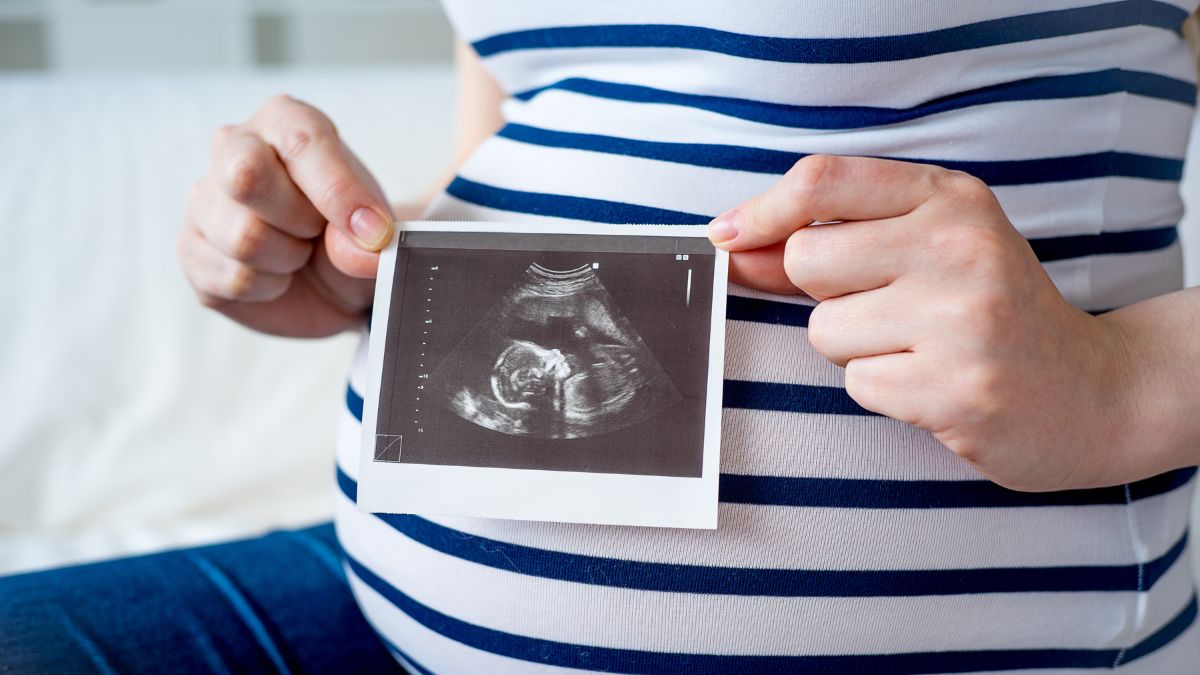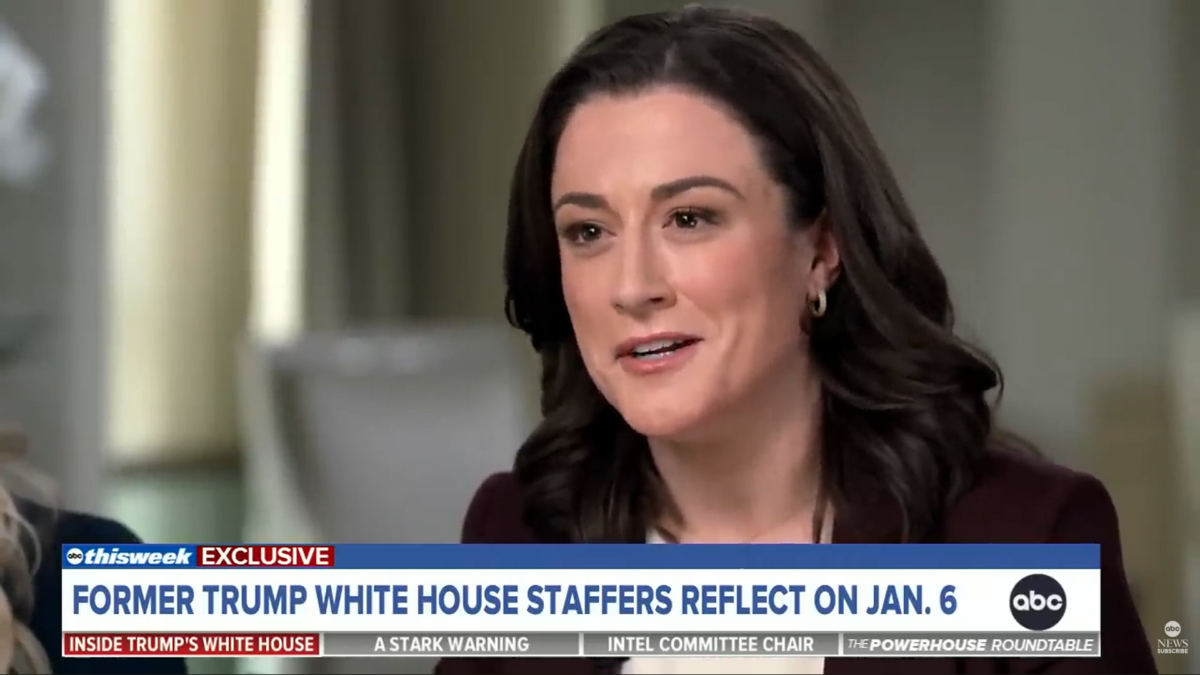


America’s favorite liberal female Democratic Socialist, Alexandria Ocasio-Cortez, took to Instagram this weekend to create a get-ready-with-me vlog about freezing her eggs at 36 years old.
In her video, she called the process of pumping her body full of chemicals “bad-ss” and said she felt “empowered” and “more in control of my life.”
Regardless of AOC’s feelings, pursuing fertility at 36 is just about as flawed as starting investing for retirement in your 60s — both are supposed to happen early for maximum payoff. The healthiness of a woman’s eggs and her ability to carry a child to term drop dramatically by the late 30s.
Even leading IVF scientists recognize this. A study by the American Society of Reproductive Medicine, a leading IVF research institute, found that only slightly more than 20 percent of women at or over the age of 36 successfully carried a child from their frozen eggs to term.
AOC tried to explain on her Instagram story why women may want to freeze eggs. “They haven’t found their person,” she suggested as one of many reasons, “They want to have a little bit of breathing room so that they don’t feel pressured to enter parenthood with someone they otherwise wouldn’t choose.”
This may be true of AOC, considering she has been in a relationship with the same man for more than a decade (and engaged to him for four years) but shows no signs of getting married or starting a family any time soon. AOC even admitted in a recent Instagram story that she “saved a long time for [egg freezing].”
AOC is far from the only woman looking to push off starting a family while relying on cryopreservation for potential future fertility. The Society for Assisted Reproductive Technology found that its member clinics executed roughly 6,000 cycles for freezing eggs in 2014 and nearly 39,000 in 2024, which is more than a 500 percent increase over 10 years. The United Kingdom’s Human Fertilisation and Embryology Authority found a 44 percent increase in egg freezing just between 2022 and 2024. The same site found that the average age of a woman freezing her eggs was 35 and 40 when she thawed them.
By the time AOC decides to have kids, it may be too late for her body, or even her fiancé’s. A woman’s chances of getting pregnant per cycle drop dramatically after 30. By the early 40s, chances have moved from 20-25 percent to 5-10 percent. By 45, chances drop even further, to less than 3 percent. IVF treatments only slightly reset the clock, placing conception chances at “20-25% per cycle for women 40-42,” and “5-10% after 43.”
An ASRM study on the healthiness of male sperm and its connection to mental defects in children found that “offspring risks begin to emerge by a paternal age of 40 years and are formidable by a paternal age of 50 years.” For example, the study found that the risk of bipolar disease increases considerably in children fathered by a man in his 40s to 50s.
An increasingly common tactic AOC may utilize to prevent adverse effects on her potential future child is hiring a surrogate to carry her egg and using a younger man’s sperm, or simply buying an embryonic child and using a surrogate. Either option exposes the modern dystopian world of fertility.
A better and much more historically consistent option for modern women is to reject the AOC lifestyle and have children when the female and male bodies are primed for it, even if it results in career setbacks. Peak female fertility is in the 20s, and the same is true of men. Before IVF and fourth-wave feminism, having children around that time was the norm. The change to childbearing in one’s 30s is relatively recent. A CDC article found that in 1990, women less than 30 accounted for about 70 percent of births, but in 2023, they accounted for less than half.
The CDC also found that as women started having children later, fertility rates plummeted. American families hit the replacement rate at 2.1 children per family in 1990. The U.S. birth rate in 2023 was 1.62, well below replacement, and it dropped to 1.59 in 2024.
In 2025 Emma Waters, a senior policy analyst at The Heritage Center, published an article addressing the fertility crisis. “There is no single reason for declining birth rates, so no single solution will reverse them,” Waters wrote. “We need a full-scale pro-family initiative that addresses economic, cultural, and structural barriers.”
According to her article, IVF does not increase the birth rate. “When IVF is subsidized, younger women tend to delay childbearing (and sometimes marriage), while older women are slightly more likely to have a child,” Waters wrote. “The net result is that women, who may have been able to have multiple children naturally, are only able to have, on average, one child with IVF later in life.” Research by Lyman Stone, a senior fellow at the Institute for Family Studies, similarly shows that government subsidization of IVF would not lead to higher birth rates.
Waters does offer a first step toward fostering an American community where the kinds of choices AOC is marketing are crowded out by those that benefits parents and babies: “Leaders in politics, business, media, and faith communities must champion family life not just as a personal choice, but as a cornerstone of national prosperity,” she stated, “Building a pro-family culture is not just about policies — it’s about everyday choices to welcome children into our shared spaces.”