
Pa Ingalls planted a lot more than five cottonwood trees, but the five he planted around his new home at the edge of De Smet, South Dakota in 1880 were more important than the others: “We’ll make a square windbreak, all around the house. Ma’s tree and mine by the door, and a tree for each of you girls on each side of ours.” They were symbols of his family, of the people he intended to shelter inside the protective circle of those trees.
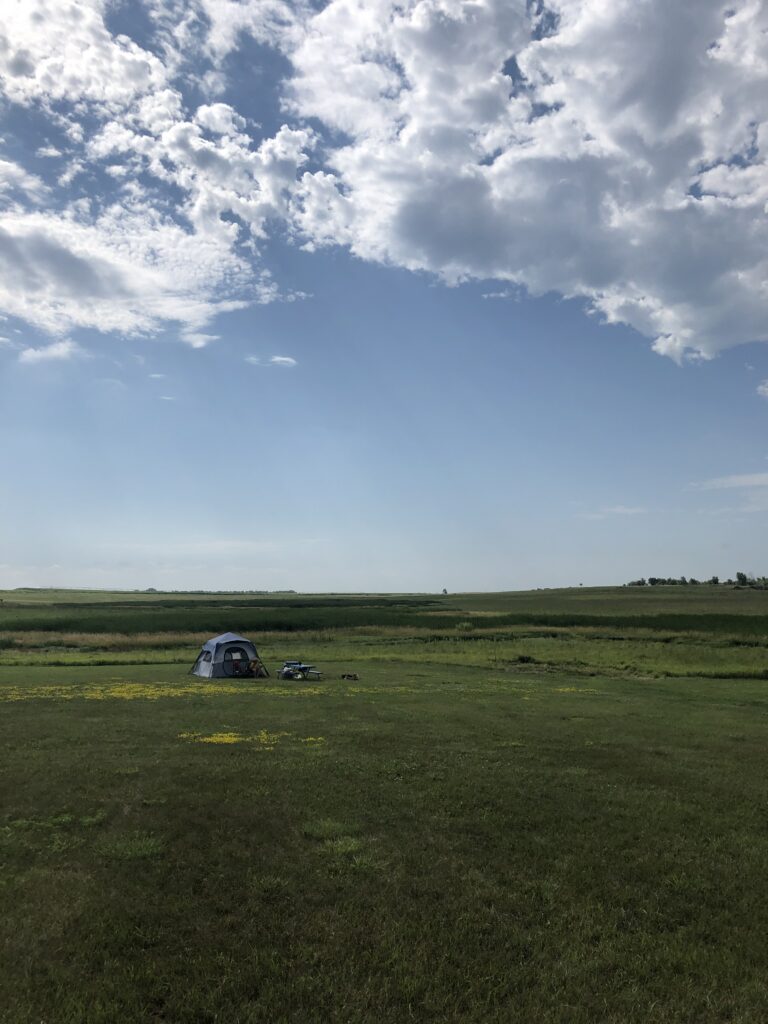
In the summer of 2020, my daughter was 12 years old and obsessed with Laura Ingalls Wilder. Los Angeles was a nightmare, locked down and masked up in a fit of hysterical fear. So we put the tent in the car and started driving.
We ended up sitting in the middle those five cottonwood trees, and we had company: A woman, about my age, called a friend on her cell phone to tell her where she was, because she wanted to say out loud that she was sitting under the trees that Pa Ingalls had planted. She was sheltered by Pa Ingalls, 140 years later, and she was struggling to catch her breath as she thought about it.
People who visit De Smet because of their interest in the Ingalls family tend to end up at the family graves, and to approach the visit with solemnity and respect. They act like they’re grateful, offering thanks.

Another thing you discover about the 19th-century Ingalls family homestead in the 21st century: They don’t lock up. If you camp there, and you should, you can still visit the buildings after the people who run the place go home for the night.

They expect you to close up when you’re done, and to treat the place with respect. And you do. That’s why you’re there.
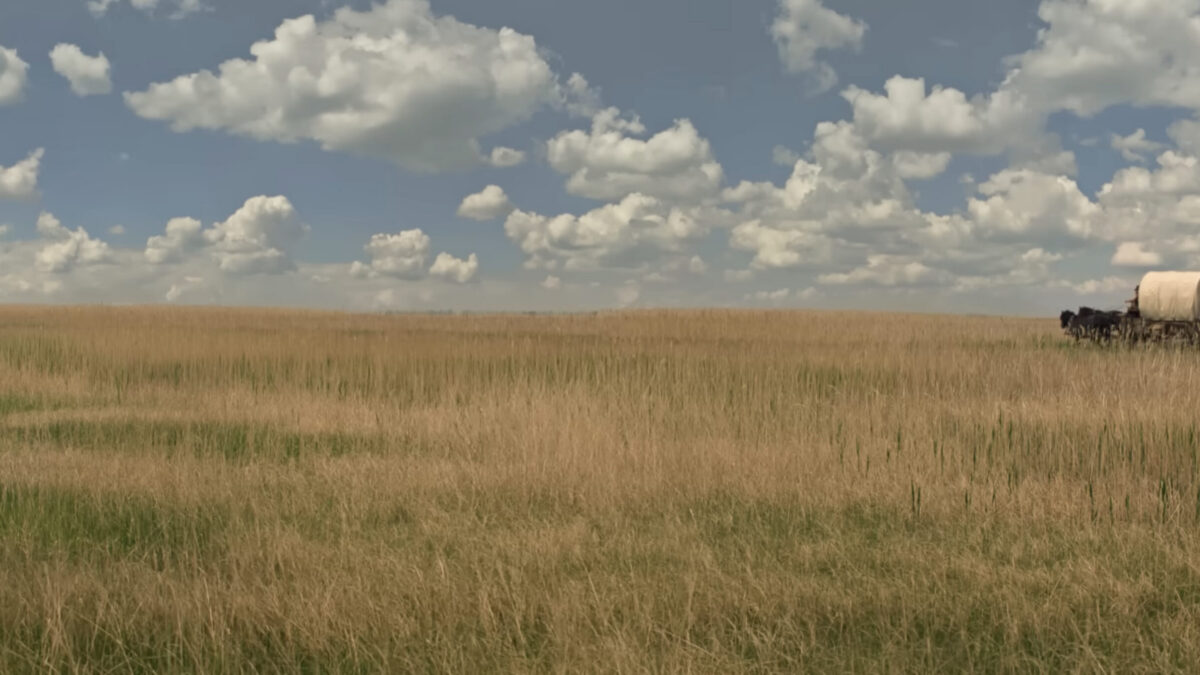
The cultural world of the Laura Ingalls Wilder books is the world of a high-trust society, where families and neighbors try. Pa Ingalls was a flawed man, but here we still are, sitting under the trees he planted. The carefully run historic sites that now occupy and describe the places where the Ingalls family lived treat the story with the respect it merits, knowing that they’re stewards of a productive and family-focused culture that people still want to experience.
This, on the other hand …
… is a sickness. Ignorant, disconnected, seeing themselves in everything so completely that they can’t see the story they’ve inherited, Hollywood is smothering American culture. They’re systematically extinguishing every light they discover, and then cursing the darkness they’ve created as if the darkness comes from the thing they smothered. They’ve invented a new product: Cluster B television. It deserves to die. These voices are infinitely tedious and infinitely destructive, and we have to shove them aside. They have nothing to say, and they keep saying all that nothing in their loudest and most insistent voice. Nothing has ever been less interesting.
Skip the show, read the books, and go to De Smet.