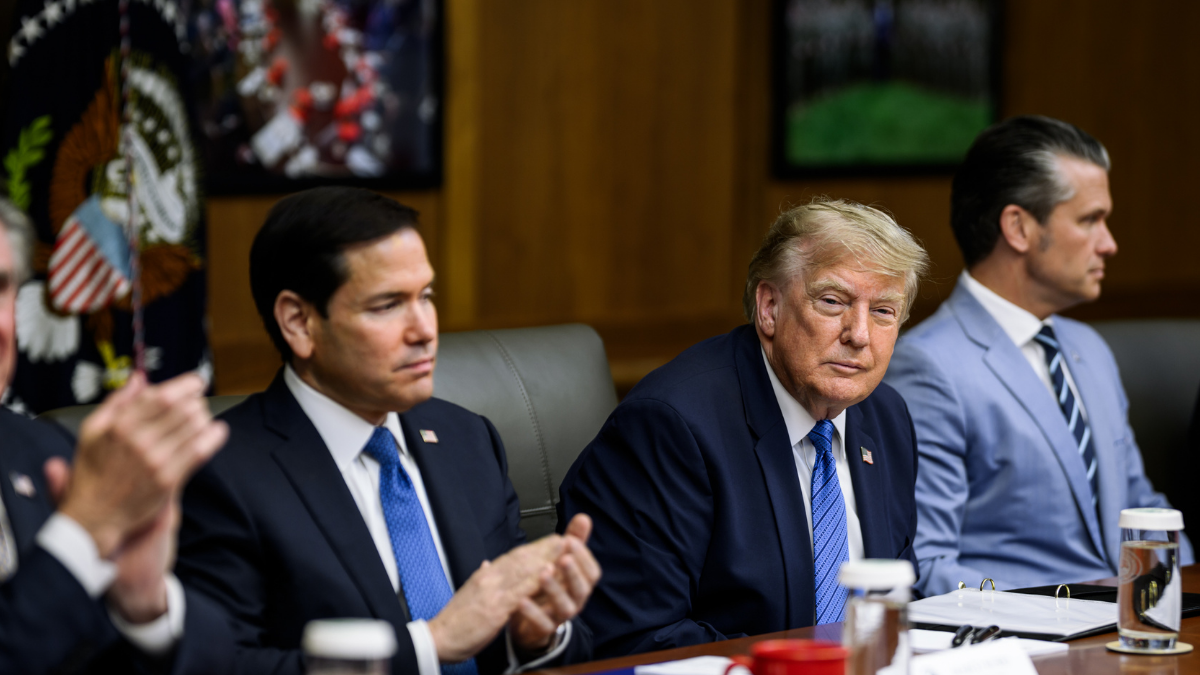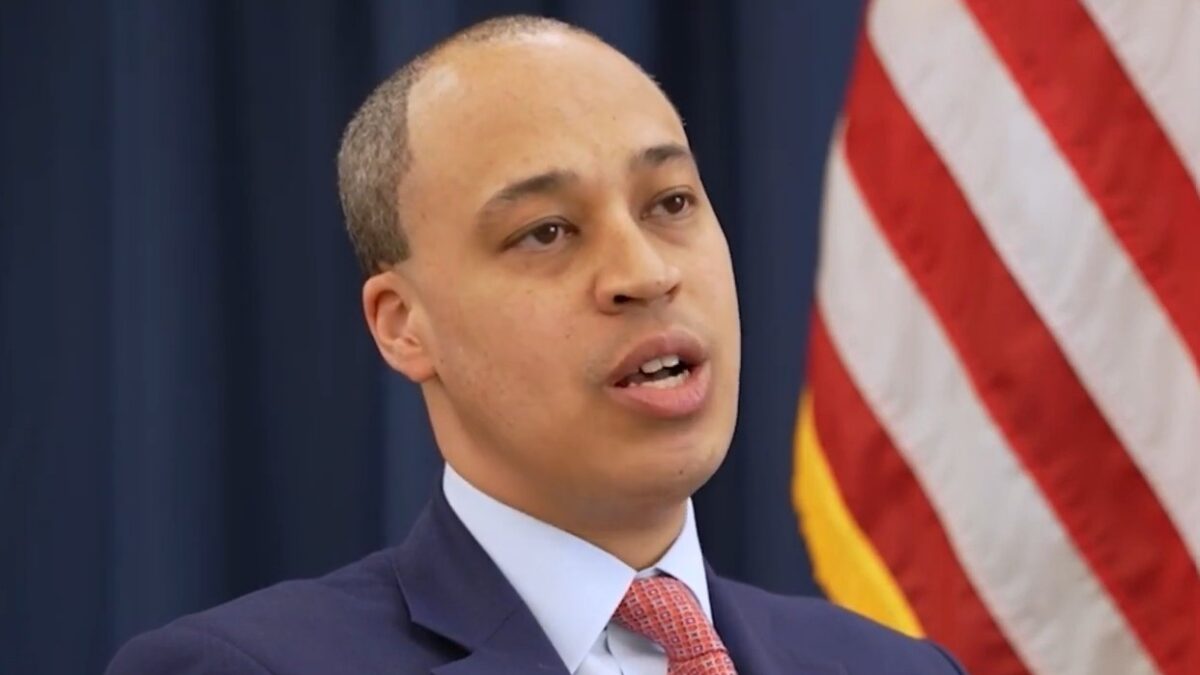

Over the weekend Homeland Security Secretary Markwayne Mullin defended the Trump administration’s decision to end Temporary Protected Status (TPS) for hundreds of thousands of Haitians living in the U.S. — a decision that was upheld by a Supreme Court decision last week.
But in doing so, Mullin also unwittingly exposed what a massive fraud the TPS program is — and why many foreign nationals living in the U.S. under TPS protections should be immediately deported.
In an interview with CNN’s Jake Tapper, Mullin said that Haitians who have been living in the U.S. for years under TPS (which was first granted in 2010, after a major earthquake in Haiti), could apply for permanent residence or a visa if they want to remain in the U.S. legally. “You have to go through the regular steps that every other immigrant that wants to come to the country legally has to go through,” he said.
What Mullin left out is that thousands of Haitians were granted TPS status under the Biden administration only after they illegally crossed the border from Mexico. The one thing they didn’t do, in other words, was go through the regular steps that other immigrants to the U.S. go through. Once their TPS status is revoked, they will simply be illegal immigrants in violation of federal immigration law, and thus subject to immediate removal.
The background here is that in June 2024, after years of record high levels of illegal immigration, the Biden administration undertook one of the largest ever expansions of TPS, making some 300,000 Haitians already living in the U.S. eligible for the program, and extending protections for another 200,000 Haitians who already had it — confirming once again that there was nothing “temporary” about TPS. It was simply a bureaucratic ruse to allow foreign nationals to live in the U.S. indefinitely. (The TPS expansion of June 2024 was supposed to expire in February 2026, just as the very first TPS designation for Haiti, enacted by the Obama administration in January 2010, was supposed to expire in July 2011.)
What most corporate news media failed to report at the time is that many of the Haitians who became eligible for TPS in 2024 were among the millions of illegal immigrants who crossed over the U.S.-Mexico border after Biden took office in 2021, knowing that they would probably not face deportation as they had during Trump’s first term.
The Haitians who came across during this period were not, for the most part, fleeing Haiti. Most of them had been living for years in South American countries, where they had legal status, work authorization, ID cards and passports. They had left Haiti years before, either because of disasters like the 2010 earthquake or because of high crime and poor economic conditions. They had settled in stable, safe countries like Chile and Brazil, where they had been employed and even had children, who became citizens of those host countries.
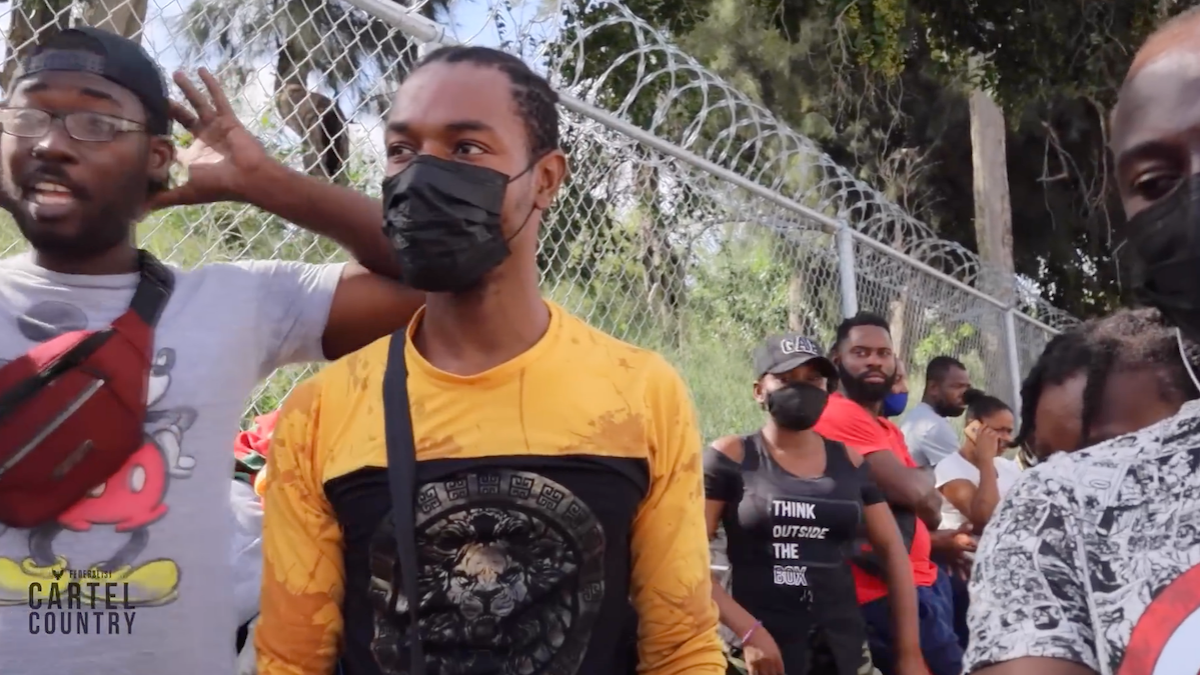
But after Biden won the White House in 2020, many of these Haitians realized they could get into the U.S. and avoid deportation by requesting asylum — or simply by being paroled out of federal custody, as hundreds of thousands of illegal border-jumpers were under Biden. I personally interviewed dozens of Haitians in Texas during this period who crossed the border illegally, claimed asylum, and were released with court dates two to three years away. In the meantime, they were authorized to live and work, legally, in the U.S.
Overwhelmingly, their motivation for making the move from South America to the U.S. was economic. Although living in Chile or Brazil was better than living in Haiti, living in the U.S. would be better still. In America, they could earn significantly more than they could in these South American countries.
To claim asylum, they simply discarded their legal documents from the host countries, since the existence of those documents would show that they were not fleeing persecution or famine and therefore not eligible for asylum. At the time, immigration reporters like Todd Bensman, now a senior advisor to Tom Homan at DHS, documented this. Bensman recovered hundreds of discarded Chilean and Brazilian ID cards and passports on the banks of the Rio Grande — documents left by Haitians and Venezuelans who wanted to claim asylum status once inside the U.S.
Their plan worked. Once across the border, most of these Haitian nationals were released from federal custody and eventually granted TPS status by Biden. This is the group that Democrats and liberals in the media are now saying should be allowed to stay despite the Supreme Court’s 6-3 ruling that Trump can terminate TPS protections for Haiti.
Some, like Jake Tapper, argue that Haiti today is unsafe, and that Trump should extend TPS protections for Haitian nationals, as previous administrations have done. But to argue this is to misunderstand or misrepresent the nature of TPS. The program was created in 1990 in response to the civil war in El Salvador, and the idea was that citizens of designated countries that are unsafe could be protected from deportation and receive work authorization until conditions improve in their country, at which time they would go back.
But that’s not how the program has worked out in practice. Haiti and Syria were first added to the TPS list in 2010 and 2011, respectively, after a major earthquake in Haiti and civil war in Syria. There are Haitians living in the U.S. today that came here after that 2010 earthquake. There are likewise Salvadorans who came in the 1990s, during the civil war, still living in the U.S.
What the Supreme Court case and the controversy around it has exposed is just how fraudulent the TPS program has always been. It was never temporary, but exploited as a backdoor to permanent residency in the United States for people who would otherwise be deported.
Like so many other scams in Washington, the Trump administration has determined to put an end to this — despite the insistence from liberals and Democrats that every person from every poor country in the world has a right to sneak into America illegally and be allowed to stay forever.