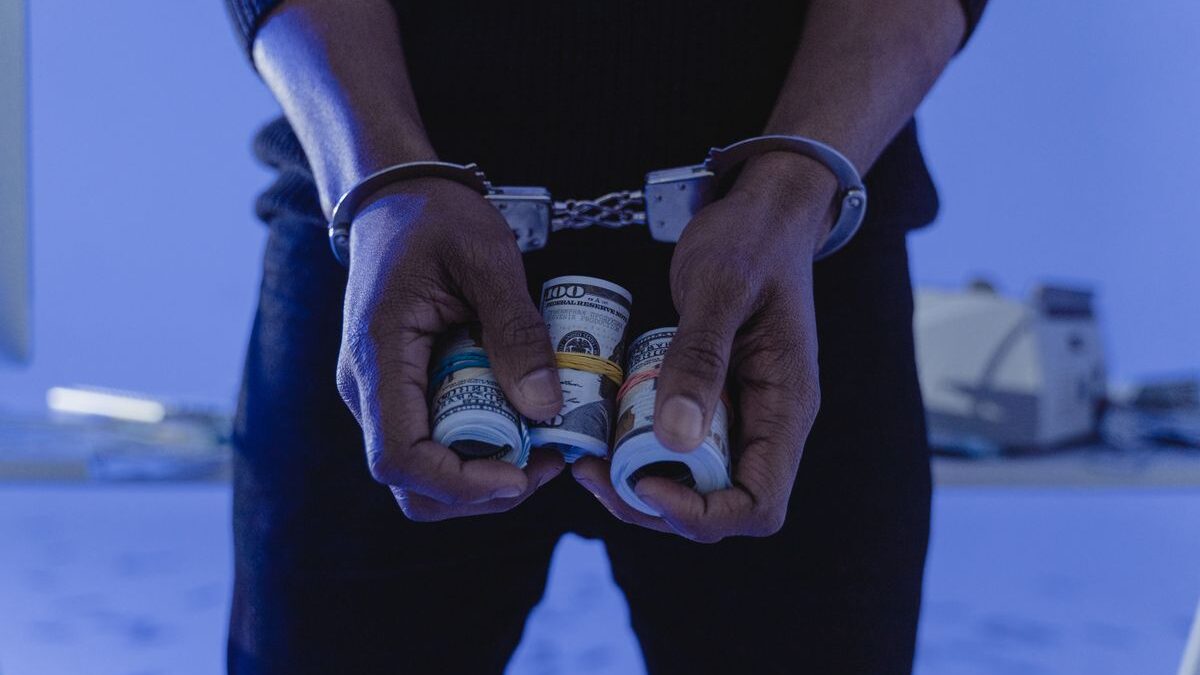
Federal and state law enforcement charged 15 defendants in five cases with a combined amount of around $1.83 million in Medicaid fraud in Alaska, according to a press release obtained by The Federalist. The investigation was part of the Department of Justice’s 2026 National Health Care Fraud Takedown, which has found health care fraud cases in 45 states thus far.
The Alaska Medicaid Fraud Control Unit investigated the cases in Alaska with help from the FBI and the Internal Revenue Service (IRS). Across the country, the Department of Justice has charged a total of 455 defendants with more than $6.5 billion in alleged health care fraud. Many of these cases, including those in Alaska, involved “personal care providers.”
In one of the Alaska cases, the DOJ alleges that a personal care assistant for a Medicaid recipient “submitted false claims for regularly attending to the recipient’s health and hygiene, at the same time that she was admitted to the hospital for suffering from severe neglect, including being soiled in urine.”
In another case, a dental center allegedly submitted more than $80,000 in Medicaid claims for “dental services that were not provided, were not medically necessary, were unsupported by patient records, failed to meet Medicaid requirements, and/or were billed at a higher level than performed.”
Several assisted living organizations, including Graystone Assisted Living Home LLC and Heritage Assisted Living Home LLC, were charged with scheme to defraud, first-degree theft, and medical assistance fraud.
Home care services were created for family members and medical providers to care for disabled or elderly Medicare and Medicaid recipients within their own homes. These services can include cooking, cleaning, and helping with other basic tasks. However, fraudsters often manipulate home care services for their own benefit.
In a House Oversight Committee hearing on June 3, representatives questioned witnesses about home health fraud committed by Somali and Bhutanese immigrants in Ohio.
After getting a doctor’s note confirming someone’s eligibility for these services, the fraudster will contract with a “home health business,” many of which are shell companies, Republican Texas Rep. Brandon Gill said in the hearing. “The business then facilitates Medicaid payments from the taxpayer to the fraudster, while taking a cut off the top.”
The Trump administration and the Justice Department have been working to combat fraud for months now. President Trump signed an executive order in March creating the Task Force to Eliminate Fraud, which is chaired by Vice President J.D. Vance. In April, the DOJ created the National Fraud Enforcement Division, aimed at supporting the anti-fraud task force and combating fraud across the country.