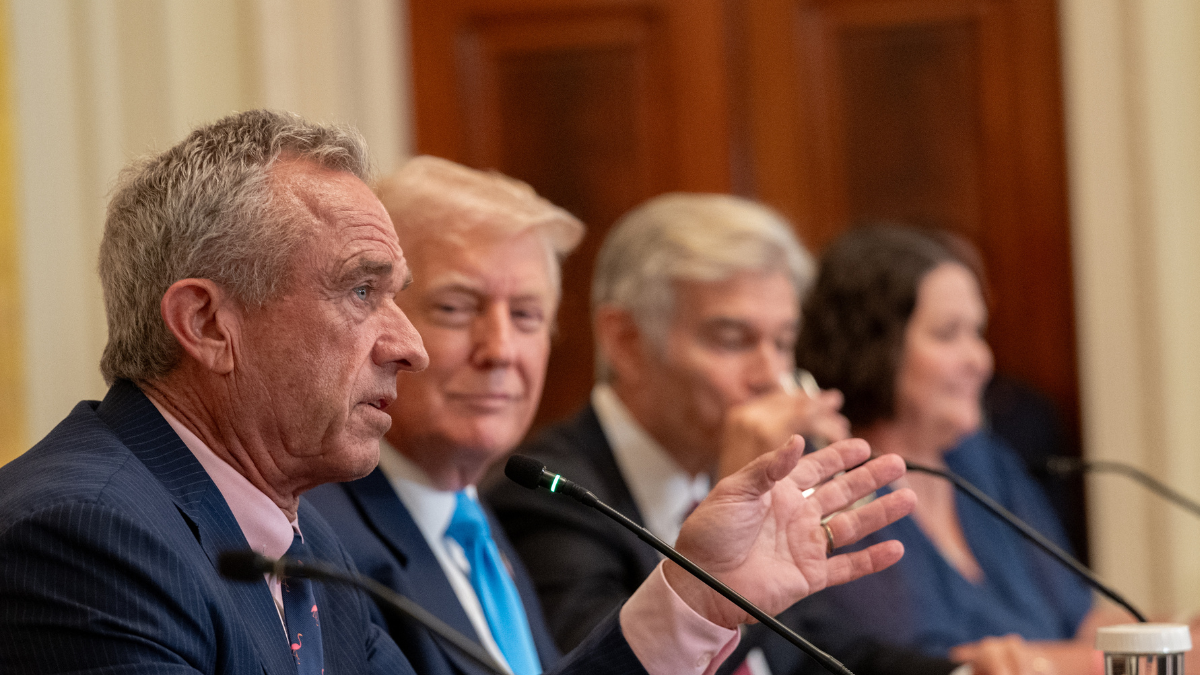

Under the leadership of Secretary Robert F. Kennedy Jr., nutrition education will now be prioritized in U.S. medical organizations through a new initiative to equip doctors to tackle America’s burgeoning health crisis. This joint effort of both the Department of Health and Human Services and the Department of Education aims to raise the standards of nutritional education for a variety of the nation’s foremost medical organizations, including medical schools and hospitals. In addition to the 54 medical schools that have previously vowed to implement a minimum of 40 hours of nutrition education, 19 more schools voluntarily agreed to do so, signing the Nutrition Education Pledge, HHS announced Monday. This growing initiative will affect more than 52,000 medical students in 36 states.
Kennedy has spearheaded the initiative as a way to help combat America’s chronic disease crisis. America has a comparatively high rate of chronic illness, with conditions such as obesity, diabetes, and heart disease ranking among some of the nation’s leading causes of death. Many of these diseases are caused by a combination of factors, such as lifestyle choices and poor exercise. However, one of the major factors leading to chronic illness is poor nutrition.
“Poor diets are the primary driver of America’s chronic disease epidemic,” Kennedy stated Monday. “Today’s announcement reflects the shifting landscape toward placing nutrition and prevention at the core of patient health.”
As HHS secretary, Kennedy has made the battle against chronic illness one of his primary objectives, and it’s easy to understand why. As many as 1 million Americans die from chronic illnesses associated with poor nutrition every year. Insufficient diets have driven the proliferation of cardiovascular disease, which now plagues 37 percent of the U.S. population and has become the leading cause of death for both sexes.
Over the past two decades, the number of Americans suffering from chronic illnesses has continued to grow, especially in the wake of the Covid-19 pandemic. There has also been an alarming increase in chronic disease diagnoses for young adults, rising from 52.5 percent to 59.5 percent between 2013 and 2023.
To fight the mounting threat of food-related diseases, Kennedy is focusing on reviving the nutritional education infrastructure. Clinical nutrition was not required in a majority of medical schools at the advent of the second Trump administration. Equally worrisome, only 14 percent of medical schools had a required nutritional curriculum. An equally small percentage of health care providers claimed they would “feel comfortable discussing nutrition.”
Advocates have pushed for formal nutritional training to become standard. Without proper nutritional education for medical students, there is reason to believe that the current chronic disease rates will only continue to increase. The shortage of physician nutrition specialists is widely believed to have led to a decline in quality health care and the development of preventative medicines. The next generation of medical professionals will have to be properly educated to take on the challenges of the current U.S. health crisis.
The HHS has prioritized providing long-term solutions to America’s current health crises. Kennedy has undertaken an enormous effort to reorganize the HHS in an attempt to reduce the agency’s bureaucracy and waste. Restructuring reduced the full-time staff by 10,000 employees, saving nearly $2 billion. This allowed HHS to reduce organizational bloat and instead focus on ending the chronic illness epidemic, largely by consolidating multiple divisions into singular, focused units. The 2025 creation of the Administration for a Healthy America combined five previously separate divisions into a singular unit, allowing them to streamline resources. The HHS is also working to provide Americans with clean water and healthy foods that are toxin–free.
Battling chronic disease won’t just save HHS money; it will also save on the entire nation’s medical costs, giving much needed relief to taxpayers. America spends about $5.3 trillion on health care per year. From the budget, more than $4.5 trillion goes to chronic diseases and mental health care. Cardiovascular diseases directly cost America’s healthcare system $223.2 billion annually, with that number slated to hit $2 trillion within the next 25 years.
More than 40 million Americans have diabetes, costing our health care system about $640 billion. Ninety percent of Americans diagnosed with diabetes have Type 2, which can be prevented through proper nutritional guidance. It is estimated that the cost of chronic disease may reach $47 trillion globally within the next four years. The burden of these costs falls most heavily on taxpayers, who pay the majority of health care expenses in the United States and shoulder the financial consequences of the poor nutritional choices at the root of so many medical bills.
America has a lot to gain from having better nutritional education standards. Well informed medical professionals can truly help make America healthy again by giving their patients better treatment. Certain chronic illnesses, such as Type 2 diabetes, can be reversed with dietary changes recommended by clinicians. Medical professionals who understand nutrition can also help prevent conditions like cardiovascular disease from ever developing, through recommending reduced-calorie diets or sodium reductions. Better education can also reduce the number of medications doctors prescribe for their patients, as conditions like high blood pressure may be naturally lowered through a proper diet.
Kennedy’s new educational program could change the course of America’s health crisis, one medical student at a time.