
The most convenient explanation for the Republican catastrophe in the midterms is the war in Iran. Of course the war played a role, as did high prices, demographic changes, poor communication, and other factors. But blaming the defeat on the war alone lets Republicans escape responsibility for a far more fundamental failure. Themselves. The simple fact that is not talked about nearly enough is that from the moment Donald Trump won the presidency, his own party set about obstructing the agenda he had been elected to carry out.
Think about what Trump handed them. After years of investigations, impeachments, prosecutions, and relentless attacks, including an assassination attempt that nearly killed him, he pulled off the greatest political comeback in American history. By Jan. 20, 2025, he had delivered Republicans the White House and majorities in both chambers of Congress, while his judicial appointments had helped secure a conservative majority on the Supreme Court.
They knew how his first presidency had been crippled by the Russia collusion hoax, Ukraine impeachment, and Covid. They knew that this time he needed a team capable of acting decisively from the first day. And how did they repay him? By immediately deciding which members of that team he would be allowed to have.
It started at the Department of Justice, the one institution everyone knew had to be put right. Trump chose Matt Gaetz as attorney general because he wanted a fighter who would confront the entrenched resistance and abuses that had defined the previous decade. Senate Republicans killed the nomination before Trump had even taken office.
Instead, he got Pam Bondi, who proved hopelessly out of her depth. Her handling of the Epstein files was a perfect example, a totally self-inflicted fiasco that hung around the administration’s neck for at least a year. Trump eventually removed Bondi, but by then more than a year had been wasted at the department that most urgently needed strong leadership.
Ed Martin was another example of Trump being denied his choice, this time for U.S. attorney for the District of Columbia, the most important federal prosecutor position in the country. Martin is the very definition of a happy warrior, fiercely determined to confront the lawfare that had devastated so many lives and the systemic problem of one-sided justice in Washington. He had the president’s trust, the determination to take on the entrenched system, and the willingness to think outside the box. Yet Republicans, led by Sen. Thom Tillis, ensured that his nomination collapsed.
It was not just DOJ. Republican opposition sank Dr. David Weldon’s nomination to lead the CDC and helped derail the nomination of Dr. Casey Means, Trump’s choice for surgeon general, with both running into resistance over their skepticism of established vaccine policies. E.J. Antoni’s nomination to lead the Bureau of Labor Statistics was withdrawn amid Republican resistance over the fact that he happened to have been in Washington on Jan. 6, 2021, on unrelated business, and that he had contributed to Project 2025, which had helped lay out Trump’s agenda in the first place. Apparently, that was reason enough to reject him.
The problem extends far beyond individual nominations. Nearly two years into Trump’s presidency, 94 ambassadorial posts are still vacant, and more than 100 of his nominees are still awaiting Senate confirmation. Again and again, instead of helping the president put his team in place, Republican senators have appointed themselves gatekeepers over his choices, obstructing their own administration.
But this is just the tip of the iceberg. The greatest damage occurs before nominations are ever announced, when every prospective appointment must first be measured against what the Senate establishment will tolerate. The result is that compromise candidates are put forward from the outset, while people who would have pursued Trump’s agenda with far greater determination are never given a chance.
The full extent of that damage is impossible to measure because we will never know whom Trump would have chosen had he been given a free hand. And let’s not beat around the bush. Democrats would never use their Senate majority to dictate whom their own president could appoint. For Senate Republicans, however, this is just business as usual.
The obstruction was not confined to Republicans rejecting or sabotaging individual nominees. The Senate also preserved the blue-slip tradition, allowing Democrats, despite being the minority party, to block Trump’s choices for U.S. attorneys and federal district judges. Even now, after the midterms, Republicans continue to block Trump’s judicial nominees.
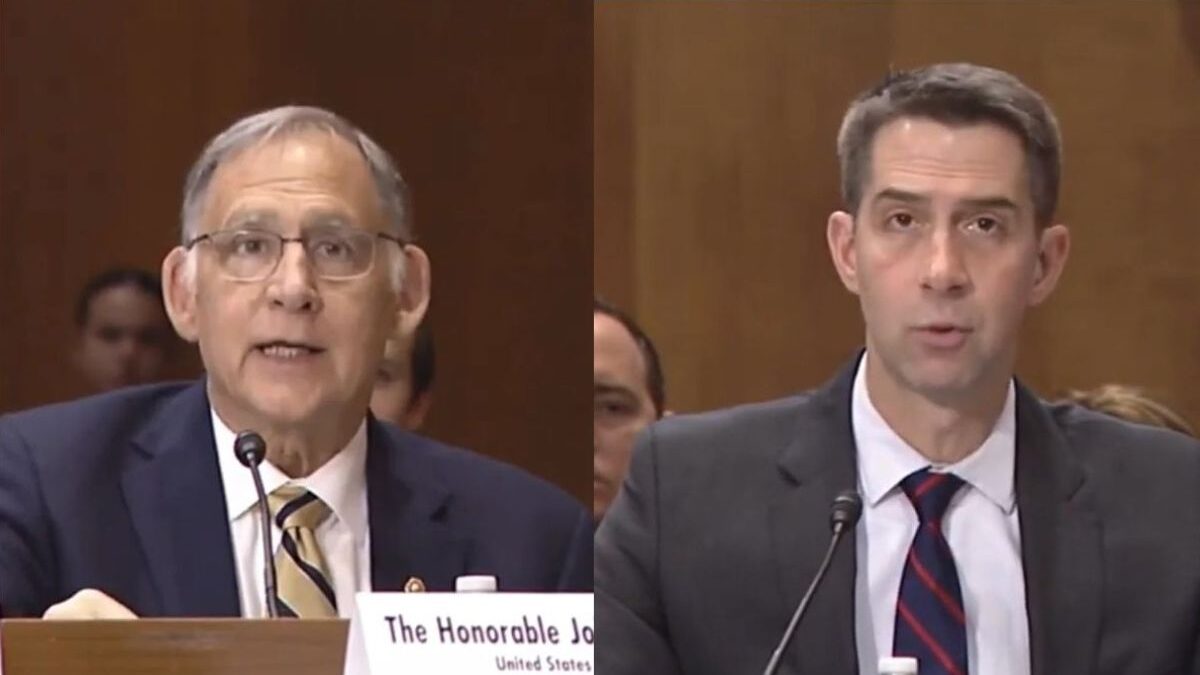
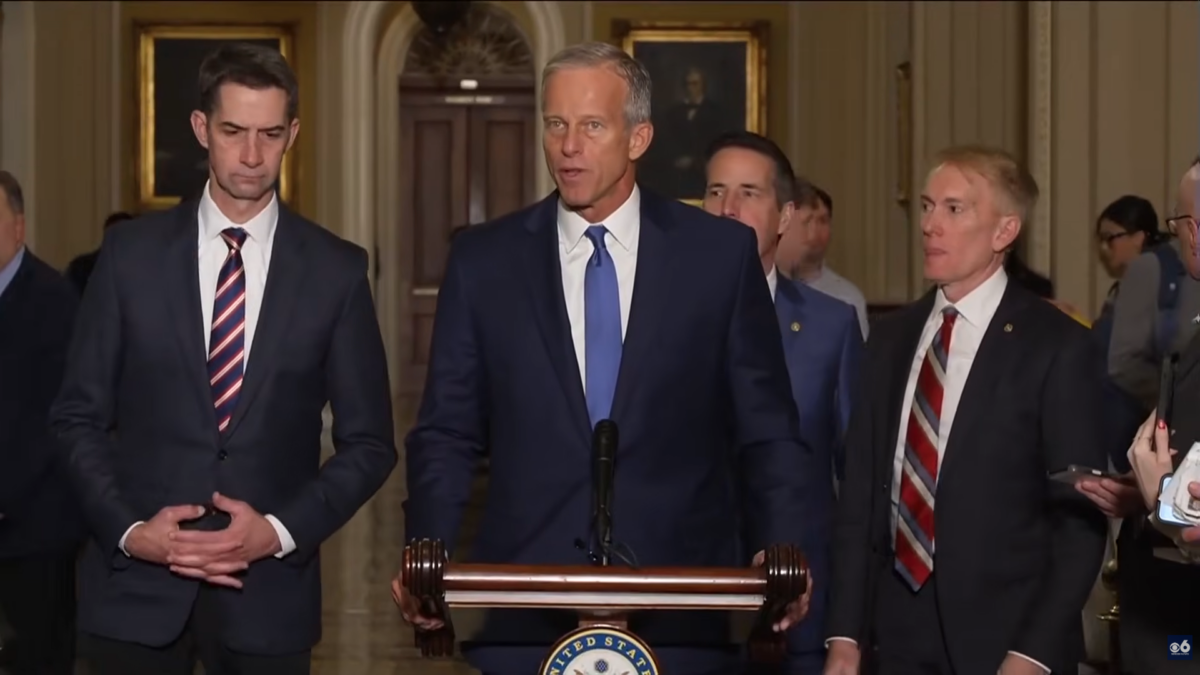
Just this week, opposition from Republican Sens. Tom Cotton and John Boozman forced Trump to replace his choice for the 8th Circuit. To make things worse, throughout the past two years, Republican leaders continued holding pro forma sessions that prevented Trump from making recess appointments. George W. Bush made 171 recess appointments during his presidency, while Trump has been allowed precisely zero across both terms.
Trump wanted election integrity legislation, and Republicans controlled Congress, yet they failed to deliver because they refused to confront the filibuster and could not even muster the votes to attach it to other legislation. Democrats will scrap those rules the moment they stand in their way, leaving Republicans to congratulate themselves on defending traditions their opponents have no intention of honoring.
The one major exception was immigration. Even the Republican establishment understood that the disaster at the southern border under Biden, with millions of unlawful entries, had to be reversed. Trump was given substantial enforcement resources, and he brought illegal crossings down to their lowest level in recorded history.
Republicans should have campaigned relentlessly on that achievement. Instead, they allowed hostile media coverage of immigration enforcement to put them on the defensive. They had a major success to sell and lacked the courage to sell it.
On so much else, Trump was forced to rely on executive orders and administrative action, vulnerable to reversal by the next president, because Republicans squandered two years of congressional control without enacting his agenda into law. During Trump’s first term, Democrats had used investigations, hoaxes, and lawfare to consume his presidency. This time, his own party achieved a similar result through sabotage, procedural paralysis, inaction, and wasted opportunities.
Republicans still control both chambers of Congress until Jan. 3, and Senate Republicans should devote every remaining day, including weekends and holidays, to confirming as many judges and senior officials as possible, although their record so far gives little reason to believe they will.
Yet after Jan. 3, Trump will still have the presidency, the executive agencies, a conservative Supreme Court majority, the power to enforce the law, and, most important, the better ideas. Republicans squandered much of the opportunity Trump gave them, but he still has two years to accomplish a great deal. The least Republican legislators can do now is get out of his way.