
Abortion zealots don’t let anything — not babies, the law, or even women’s safety — get in their way. They ignore, or even try to cover up, the dangers of mifepristone, the drug causing almost two-thirds of abortions today. President Joe Biden’s Justice Department tried to give the federal law prohibiting sending or receiving abortion drugs a bizarre spin by interpreting it in a way that would make it unenforceable. Attorney General Todd Blanche says he will re-examine that interpretation.
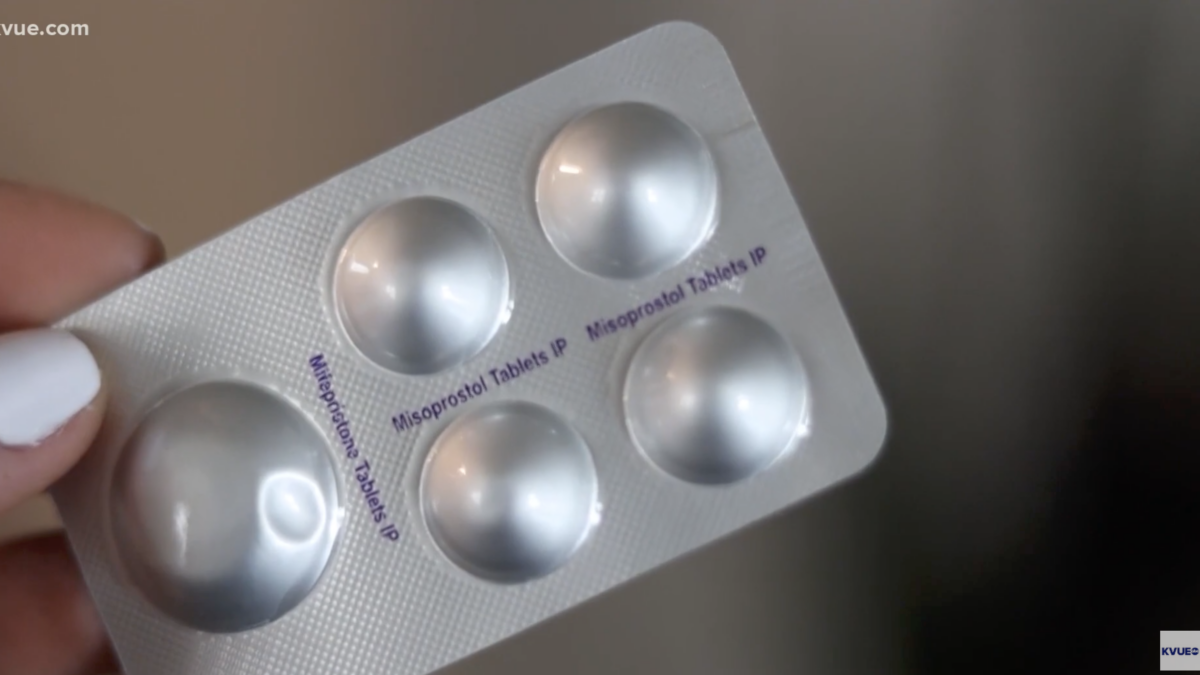
The Comstock Act (18 U.S.C. Sec. 1461 and 1462) prohibits sending or receiving, including through the mail, any “article or thing designed, adapted, or intended for producing abortion.” Mifepristone was developed in the 1980s specifically to cause abortion; it’s not universally called the “abortion pill” for nothing.
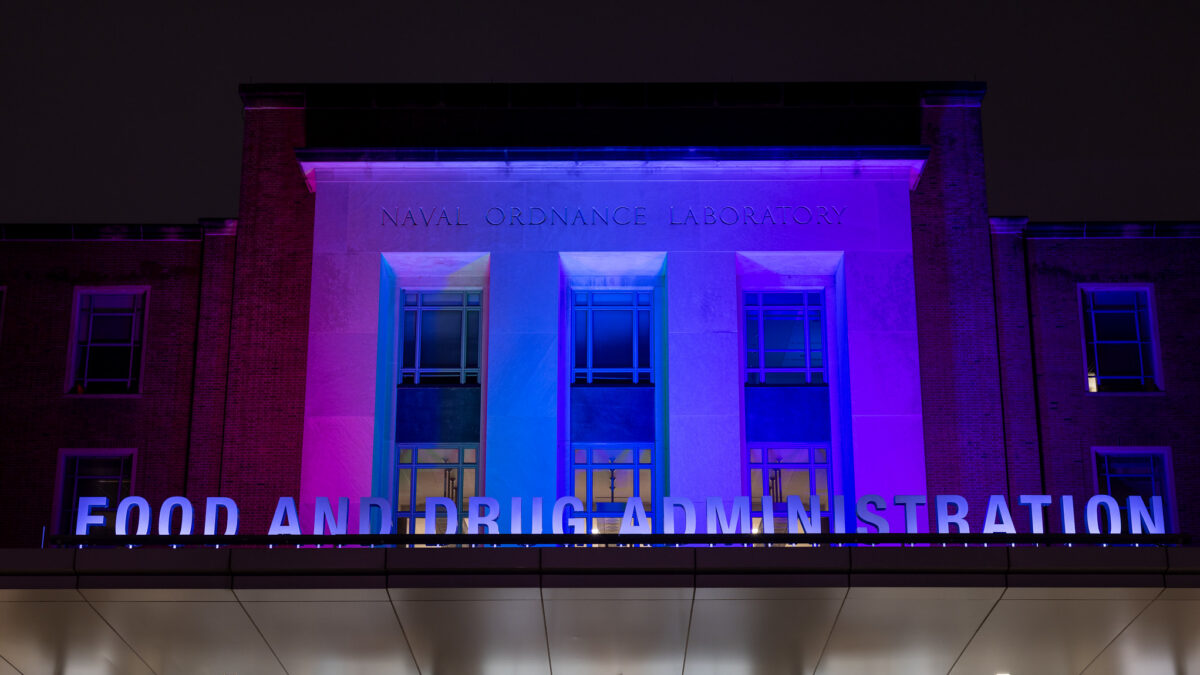
It’s also shockingly dangerous to women. In fact, the U.S. Food and Drug Administration banned its importation for personal use in 1989 because of its serious risks. The FDA’s own advisory committee said in March 1996 that if mifepristone were ever used, it had to be “under close medical supervision.”
The Clinton administration’s FDA approved mifepristone in 2000, but had to use a special fast-track process reserved for drugs that treat life-threatening illnesses. Its safety rules included obtaining and using mifepristone only in a physician’s office. Using the Covid-19 pandemic as cover, abortion advocates sued in May 2020 to suspend the in-person dispensing requirement. An Obama-appointed federal judge gave them what they wanted, and then, in a move that surprised no one, the Biden administration’s FDA dropped this critical safety precaution in December 2021 without any mention of the pandemic. Finally, the Biden FDA approved obtaining mifepristone entirely online, without ever seeing a doctor in person.
The FDA itself has tried to cover up how mifepristone harms women. The Obama FDA dropped the requirement that physicians report mifepristone complications unless they literally kill someone. Five years later, the Biden FDA dropped the in-person dispensing requirement because — wait for it — there was no evidence of nonfatal complications.
Well, the evidence is coming in nonetheless, and it is horrifying. The Ethics and Public Policy Center led the most comprehensive study of abortion pill safety by examining more than 850,000 actual insurance claims involving mifepristone abortions. They found the rate of “serious adverse events,” as defined by the National Institutes of Health, to be nearly 11 percent, more than 20 times higher than those who market mifepristone publicly claim.
More than a dozen states have passed laws banning abortion drugs. Not content to keep abortion legal in the other states, abortion advocates have organized campaigns to ship these drugs into pro-life states, intentionally breaking the law and endangering more women.
In June 2022, a week after the Supreme Court held that the Constitution does not protect any right to abortion, the U.S. Postal Service asked the Biden DOJ whether the Comstock Act prohibits mailing mifepristone. The Office of Legal Counsel responded with an opinion dated Dec. 23, 2022, “interpreting” the Comstock Act in a way that would be unrecognizable to the Congress that enacted it and, more importantly for abortion advocates, that renders it unenforceable today. This is the opinion that Blanche has promised to review.
The OLC opinion claimed that the Comstock Act could be enforced only when the sender intends “that the recipient of the drugs will use them unlawfully.” Since, of course, it is impossible to prove such intent, this spin would completely neutralize the Comstock Act.
More importantly, the Comstock Act doesn’t say anything about a sender’s intent or a recipient’s use, but is focused solely on defining things and objects that may not be sent through the mail. To this day, the Postal Inspection Service posts a list on its website of objects deemed “non-mailable,” the same term that appears in the Comstock Act. The act says nothing about what a sender might have in mind or speculation about what a recipient might do with such an object.
The rules for interpreting statutes are crystal clear, and they require, as the Supreme Court has explained, “adhering to Congress’s intended meaning.” The court has also spelled out how to stay focused on that goal: Give the words in a statute “their ordinary meaning,” presume that “the operative language means what it appears to mean,” and stop fishing around for any other meaning when the words of a statute are “unambiguous.”
The OLC opinion about the Comstock Act ignored all of these rules; in fact, the opinion does not even hint that it’s supposed to follow them at all. Instead, the OLC, while pretending to “interpret” the Comstock Act, was really inventing a statute that Congress has never enacted — one that would pose no obstacle to the abortion agenda.
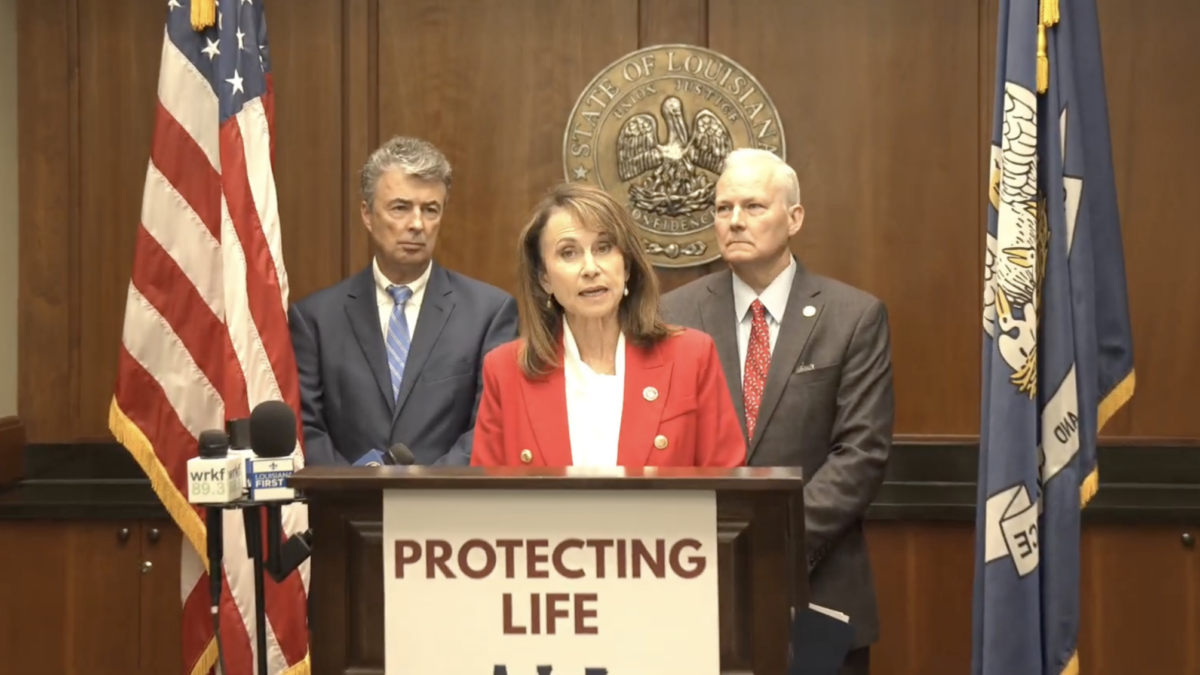
Advancing American Freedom, where I am a senior legal fellow, has made the same argument in a case currently pending in federal court, filing an amicus brief joined by organizations across the country in Louisiana v. Food & Drug Administration. After Blanche’s confirmation hearing, AAF led dozens of pro-life organizations in a letter to him asserting that “the Comstock Act the [OLC] opinion describes is not the one Congress enacted.” At stake are the lives of countless unborn children, the safety of women, and the Justice Department’s commitment to impartiality and the rule of law.